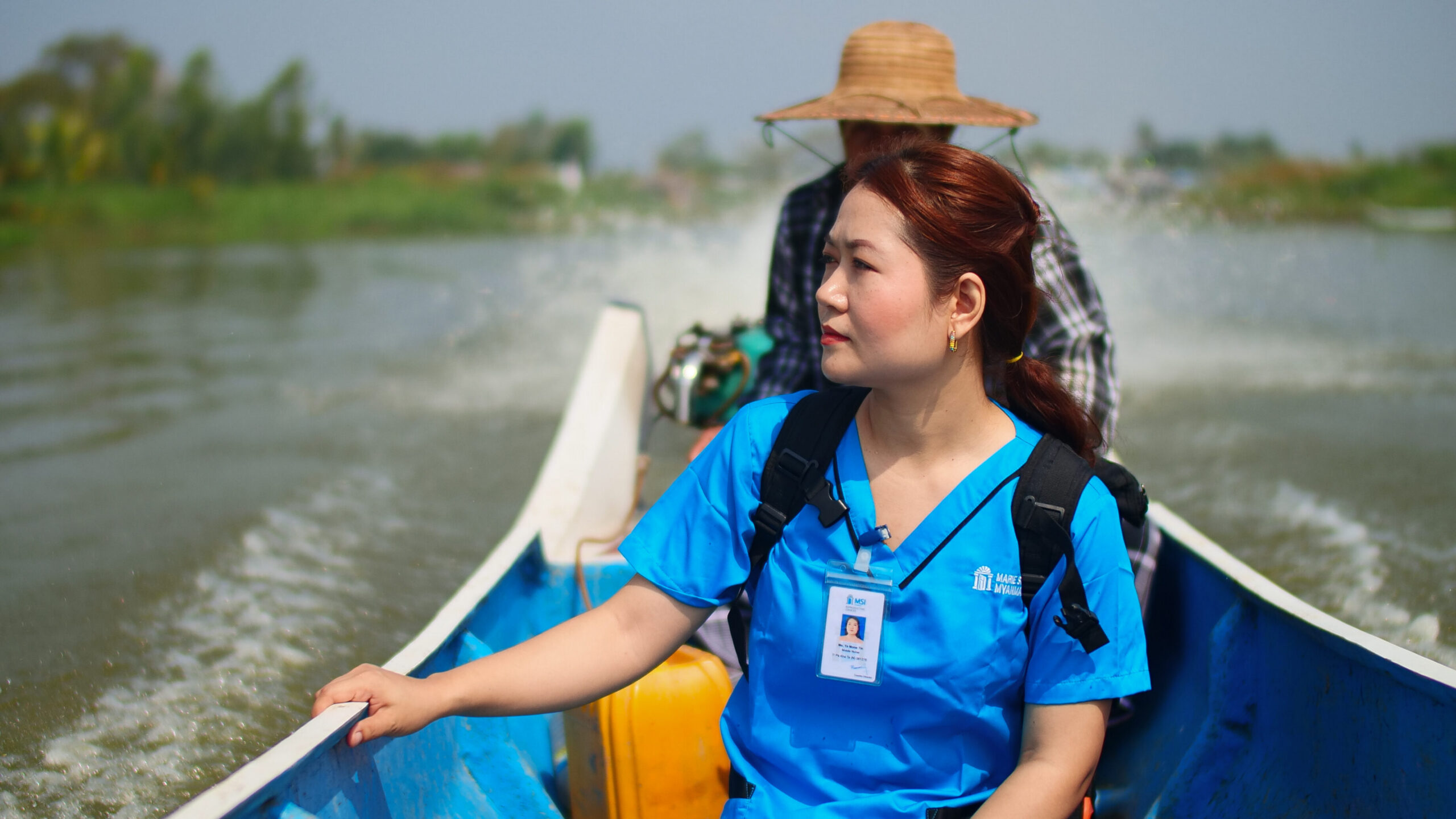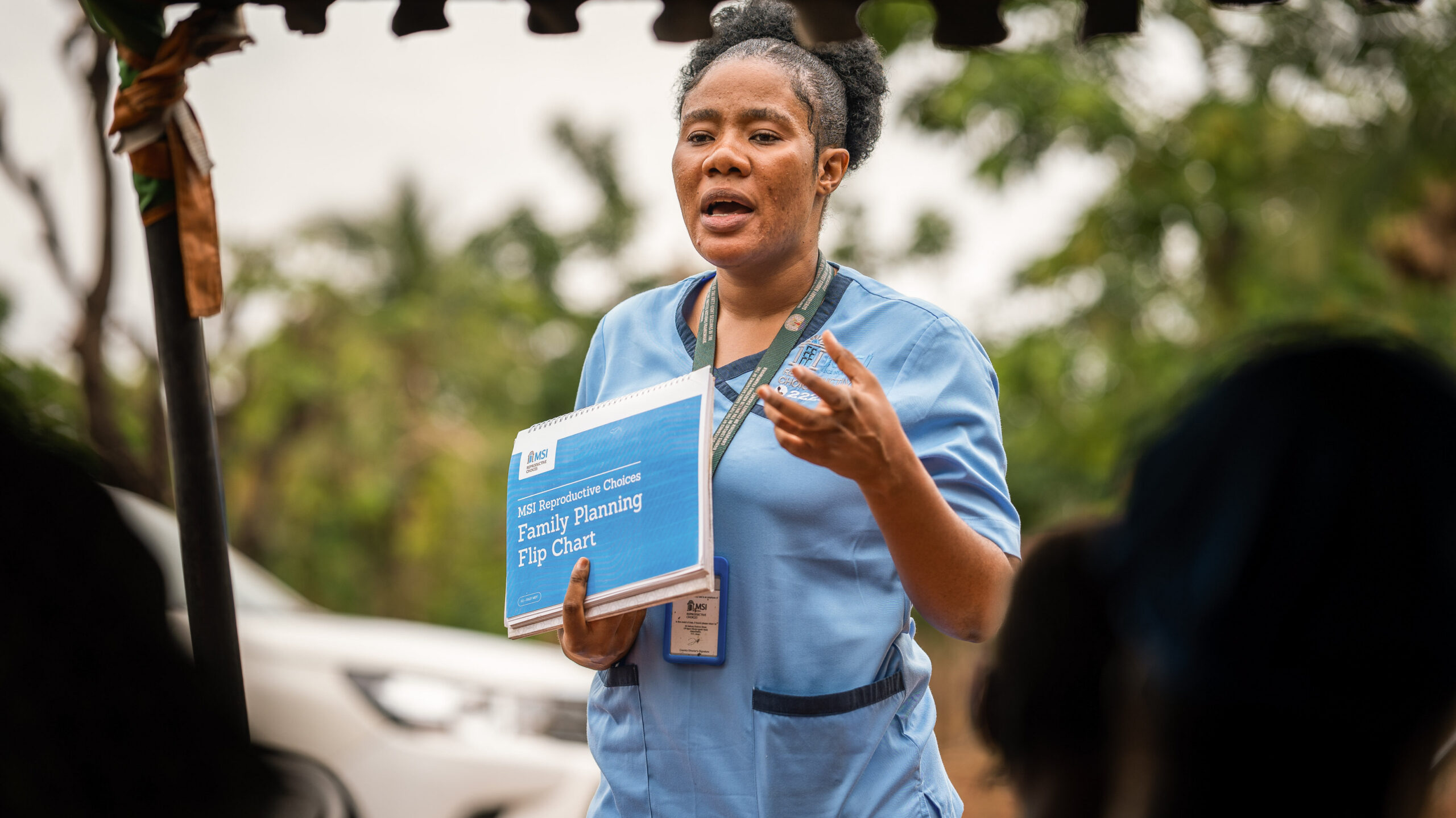


As COVID-19 continues to devastate lives and communities across the world, MSI shares new data on the impact of access to Sexual and Reproductive Health and Rights (SRHR) through the pandemic alongside insights and learnings from our frontline providers.
Across the 37 countries where we work, we have seen the impact on reproductive healthcare access and rights. With national lockdowns restricting movement, lack of information about what services are available, supply chain disruptions and overwhelmed health systems diverting resources to the COVID-19 response, access to SRHR has been restricted and barriers have increased.
Despite the challenges facing both providers and women throughout the crisis, the story is also one of resilience and adaptation. Our programmes have rapidly adapted to ensure access can be maintained. Our response has been tailored and grounded in the local contexts, all in line with national government response. But while our efforts to mitigate the impact of COVID-19 allowed us to protect services across several settings, we have still seen a considerable reduction in the number of women who have been able to reach our services.
Read more about the impact of the COVID-19 pandemic, what our team members around the world have done to protect services during the crisis, and what we need to do now to ensure continued access moving forward.