

Updated 15 May 2026
A U.S. court ruling with global consequences
A recent U.S. federal court ruling restricted access to mifepristone by mail and pharmacy, prompting an appeal and Supreme Court intervention. The Supreme Court has now ruled that this abortion medication can continue to be prescribed and sent by mail for now, while the court case continues.
That means that right now people in the U.S. can still legally access abortion pills by mail. But while this legal back and forth continues, it spurs on abortion disinformation worldwide, with far-reaching consequences.
When U.S. courts cast doubt on settled science, the harm does not stop at the border. The claims are quickly exported internationally, used to justify restrictive policies in other countries and to undermine trust in evidence-based medical care.
MSI’s country programmes have seen how this abortion misinformation spreads globally. U.S. legal decisions are cited as ‘proof’ that medication abortion or telemedicine is unsafe, amplified through social media and advocacy networks, translated across languages, and weaponised in countries far removed from the original ruling.
MSI and others have documented anti‑abortion organisations running ads in countries such as Ghana and Mexico that falsely claim abortion pills are dangerous – often citing U.S. political debates or court rulings instead of local or international data. Accurate health information is routinely outpaced by these misleading narratives.
This new court ruling does not reveal new information, it creates confusion and amplifies global disinformation.
Evidence shows medication abortion and telemedicine are safe and effective
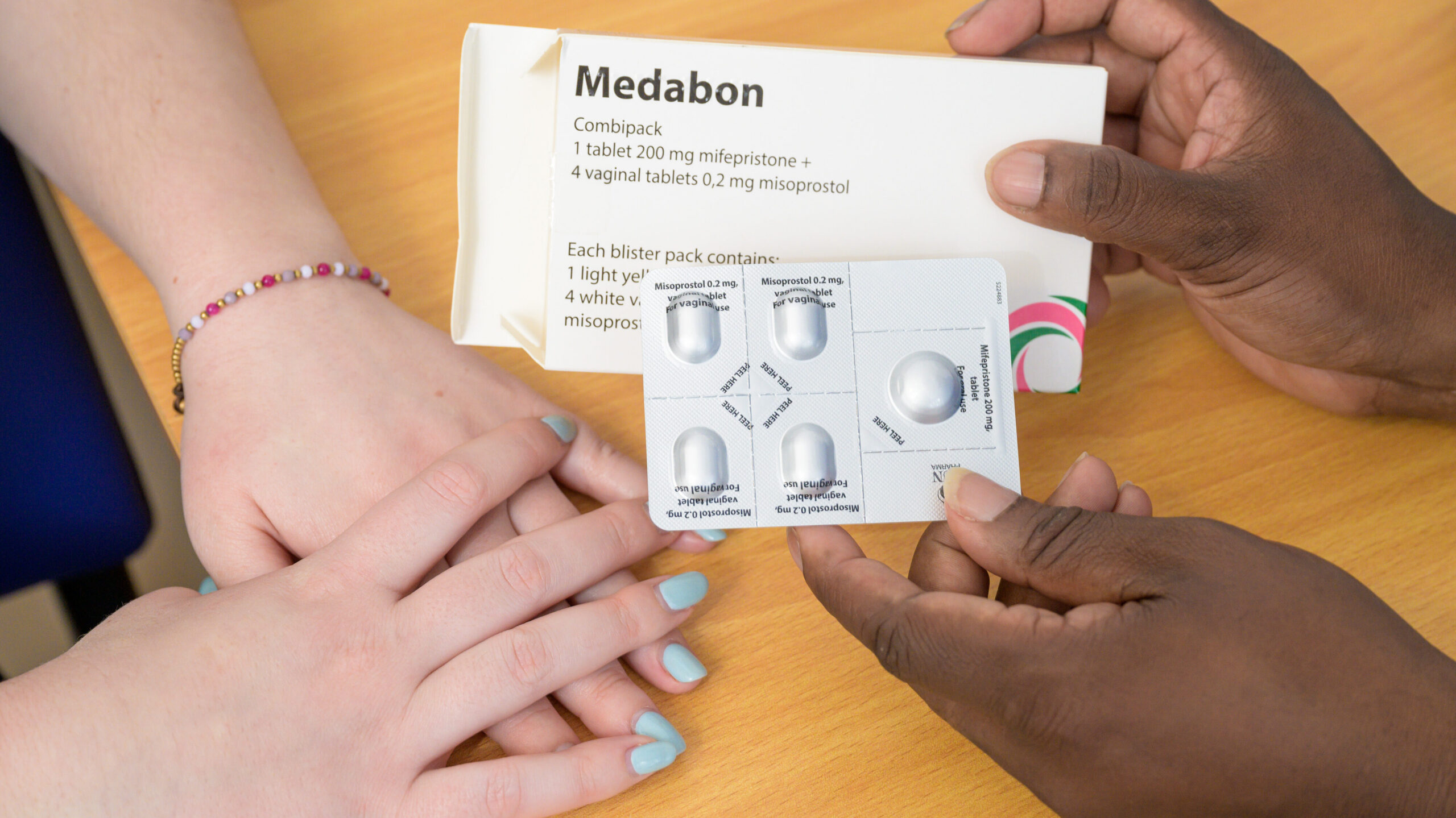
Mifepristone is one of the most rigorously studied drugs in modern medicine. Used for decades, it has been proven to be extremely safe and 95-99% effective when used with misoprostol for early abortion. Leading medical organisations including the American Medical Association, ACOG, and the World Health Organization (WHO), recognise mifepristone as safe and effective, and the WHO classifies it as an essential medicine.
Extensive research shows that medication abortion provided through telemedicine is just as safe and effective as in‑person abortion care. There is no medical justification for banning mail delivery or remote prescribing.
Global case studies that undercut the misinformation
United Kingdom:
During COVID‑19, the UK introduced at-home abortion care. Studies found telemedicine abortion to be safe, effective, and often preferred. Based on this evidence, England and Wales made telemedicine abortion permanent, directly contradicting claims that remote care is risky.
Ireland:
Ireland rapidly adopted telemedicine abortion during the pandemic without changing its abortion law. Research shows the shift preserved safety, improved access (especially for people in rural locations or facing domestic violence) and reduced reliance on informal or cross‑border abortion services.
Argentina:
After legalising abortion, Argentina’s Ministry of Health formally recommends medication abortion and recognises it as safe for outpatient and self‑managed use. This reflects global medical norms, not political fear‑mongering.
Decades of international evidence, real‑world use in roughly 100 countries, and medical consensus all point to the same conclusion:
Mifepristone is safe. Telemedicine abortion works. Abortion care should be governed by science and medical expertise – not politics.