

Nancy works in Papua New Guinea as a Gender Equality, Disability and Social Inclusion Manager, while in nearby Timor-Leste, Petronela is an MSI clinic doctor. They tell us why this work called to them, and what it’s like to provide reproductive healthcare in their countries.

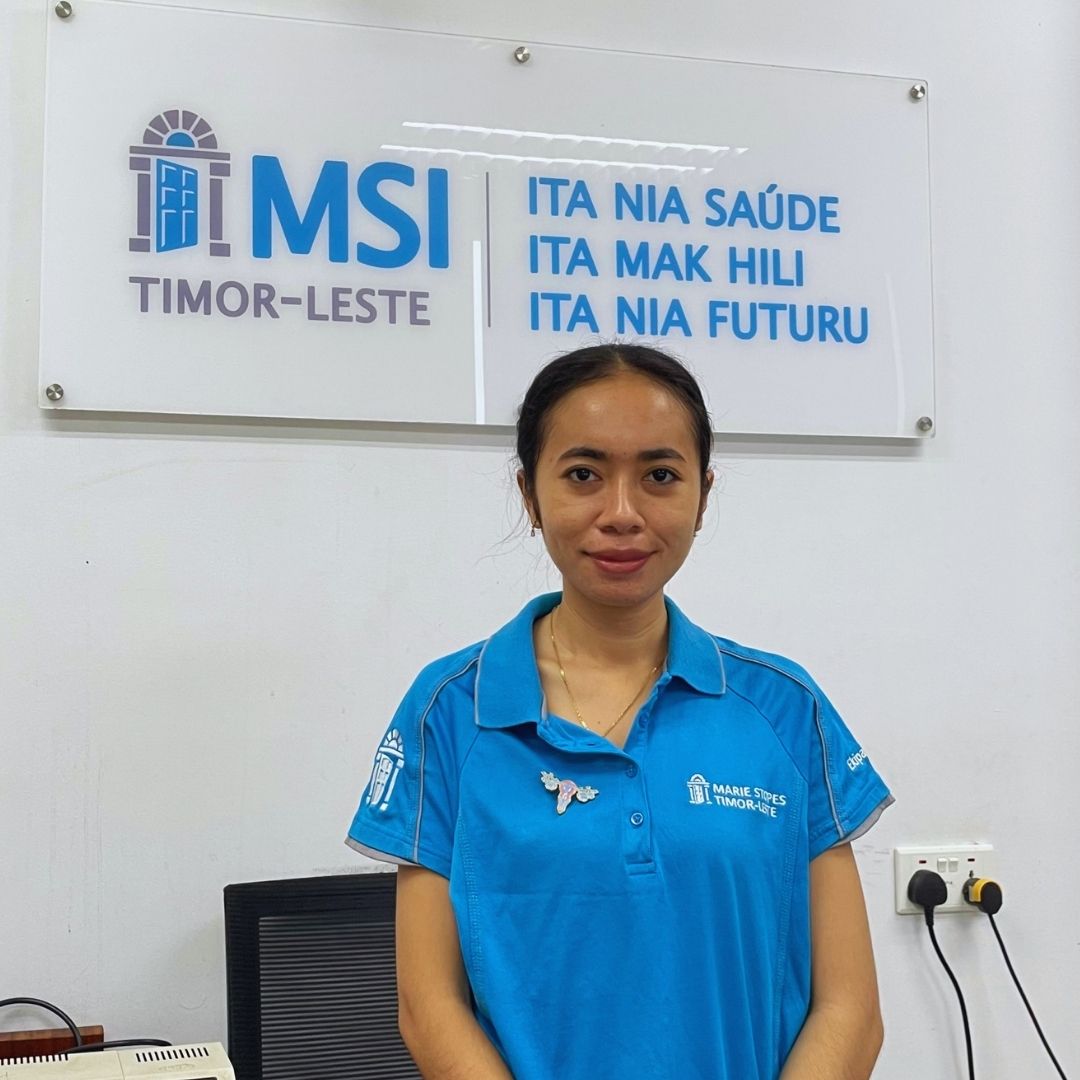
“It was always my dream – but also my responsibility.”
Petronela Ribeiro grew up in a country still finding its path. Timor-Leste is one of the youngest nations in the world, and much of its health system is still being rebuilt after years of conflict.
For Petronela, that shaped both her ambition and her sense of purpose.
While she was getting her education, opportunities to study medicine in Timor-Leste were limited – there was only one medical school. With the support of her parents, Petronela she went to study in Indonesia. And while many of her peers chose to stay overseas, returning home was important for her.
“In Timor-Leste, due to the conflict, there are not enough health providers. I wanted to give something back.”
Looking for work as a doctor, Petronela was drawn to MSI because of its focus on women’s health and its approach to respectful, accessible care.
“I have always been interested in reproductive health and when I joined MSI, it felt like a calling,” she says and smiles. Her days in the clinic are intense: “Many people, many questions.”
The work is not only about treatment. It begins with understanding. “We make sure clients feel comfortable. We listen, we explain clearly, and we reassure them everything is confidential. Then we support them to make their own choices.”
She recalls one client who had a young child and wanted to wait before having another – but she had heard myths about contraception and was fearful. During her consultation, they worked through her concerns step by step.
“When she understood her options and felt she wasn’t judged, her whole body changed. She became more confident and said, ‘I should have come earlier.’”
For Petronela, moments like this show why it matters that women can access trusted services.
In a young health system, this work is essential.
“I think women’s health is a foundation for a country. As women, we need to be supported.”
It makes her proud to be part of MSI, contributing to this work.
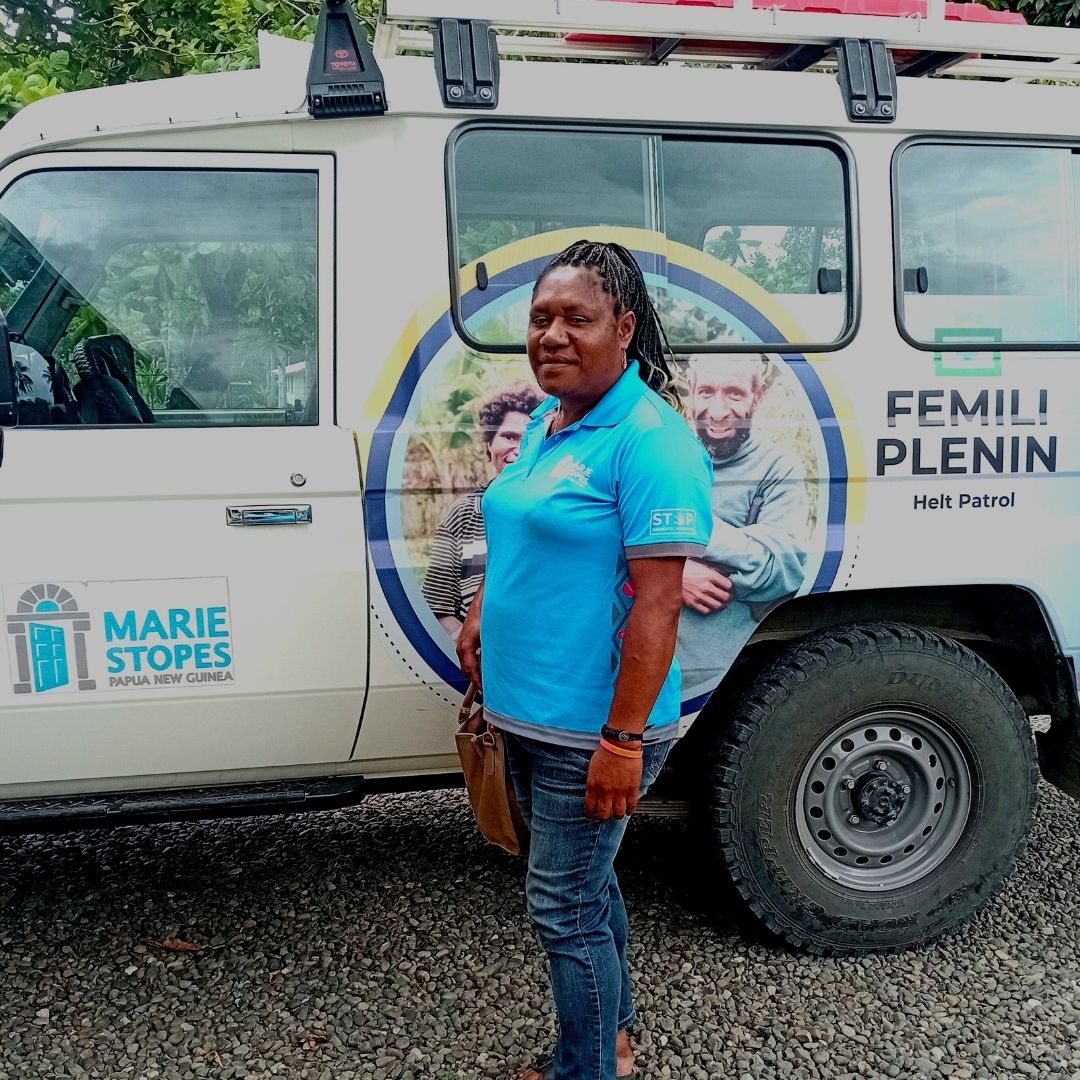
“If MSI was not here in Papua New Guinea, women would lose hope.”
Nancy Hombo grew up in Papua New Guinea’s Eastern Highlands Province, where she spent time at the local hospital where her mother worked.
“I would watch the nurses going around with their treatment charts, putting in IV drips, checking vital signs, caring for clients.”
She was drawn to the way they worked – their focus, their care, their responsibility. She knew she wanted to work in healthcare too.
Today, as MSI Papua New Guinea’s Gender Equality, Disability and Social Inclusion Manager, Nancy has made achieved that goal.
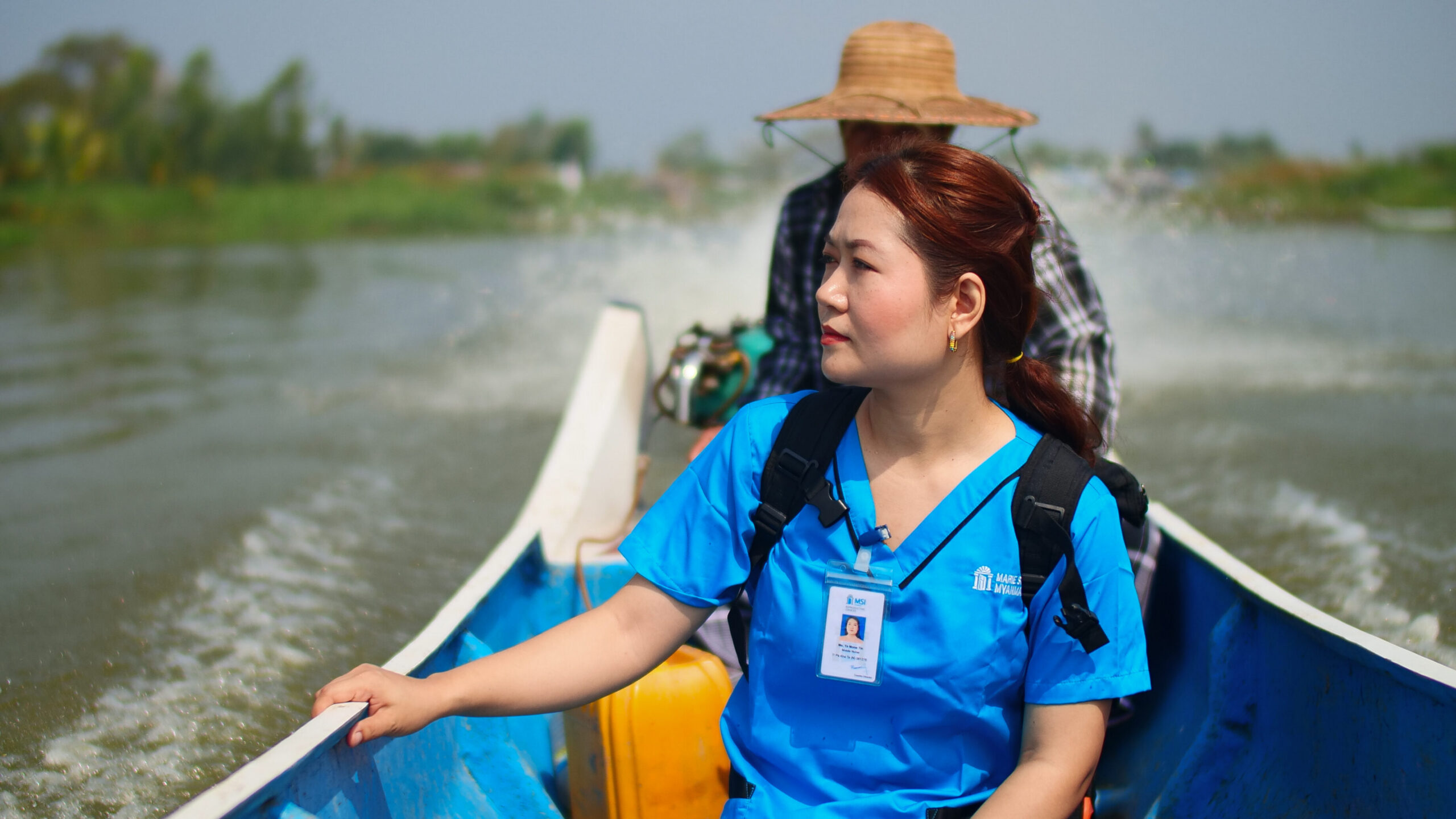
Working across remote communities, she connects women, girls and couples with sexual and reproductive health information and services – often in areas where access is limited not only by distance, but by geography, cost, language, safety, and deeply rooted social norms that can make it difficult for women to seek reproductive health care independently.
What Nancy sees in these communities – the barriers women face in accessing contraception and care – is not unfamiliar to her. Even as a nursing student, she experienced them personally.
“I didn’t know I could go and get contraception,” she says. “I thought it was only for married women. I was convinced that if I went to the clinic, people would see me and judge me. They would think I was doing something wrong.”
Nancy became pregnant – and later lost the baby. “That’s when I realised how important family planning is. It made me understand that education is needed everywhere – even in nursing schools, even in medical training. Young people need to know what is available to them and where they can go.”
Today, barriers to healthcare continue to shape the lives of women and girls across Papua New Guinea. The remote highlands, scattered islands and limited transport infrastructure makes access to services particularly difficult.
Through her work with MSI, Nancy is helping to close these gaps – by supporting communities, and connecting health facilities, government services and local organisations with our services.
A focus for her is on adolescent girls. In one hospital alone, Nancy reviewed data showing 180 teenage pregnancies in a single year. “There’s teenage pregnancy, STIs, HIV, girls dropping out of school. Children having children.”
With a 13-year-old daughter, this work feels urgent and personal to Nancy.
It shapes how she shows up every day, and drives her passion for this work. She believes every girl deserves to have information and choices for her health and future.
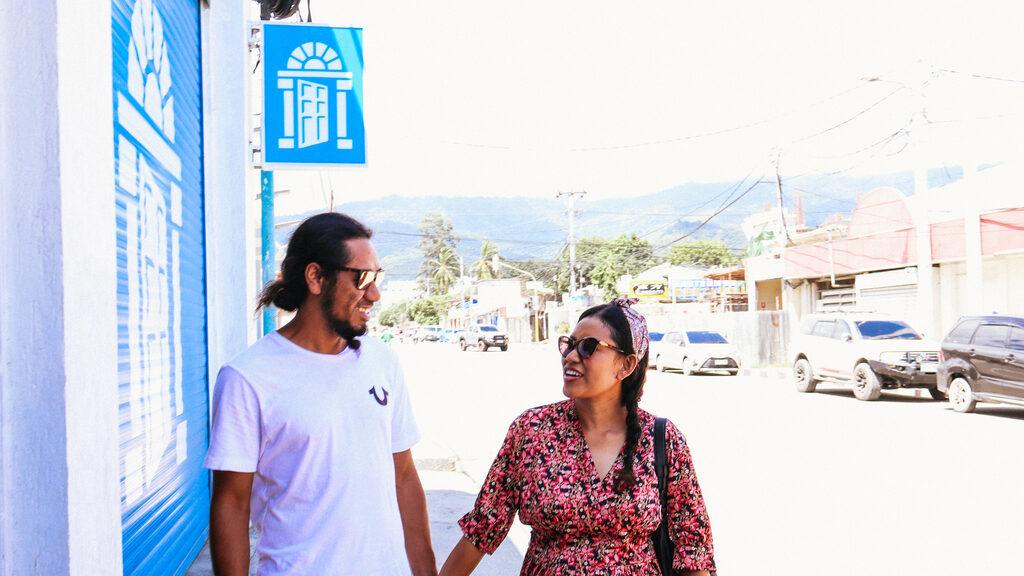
MSI clients in Timor-Leste
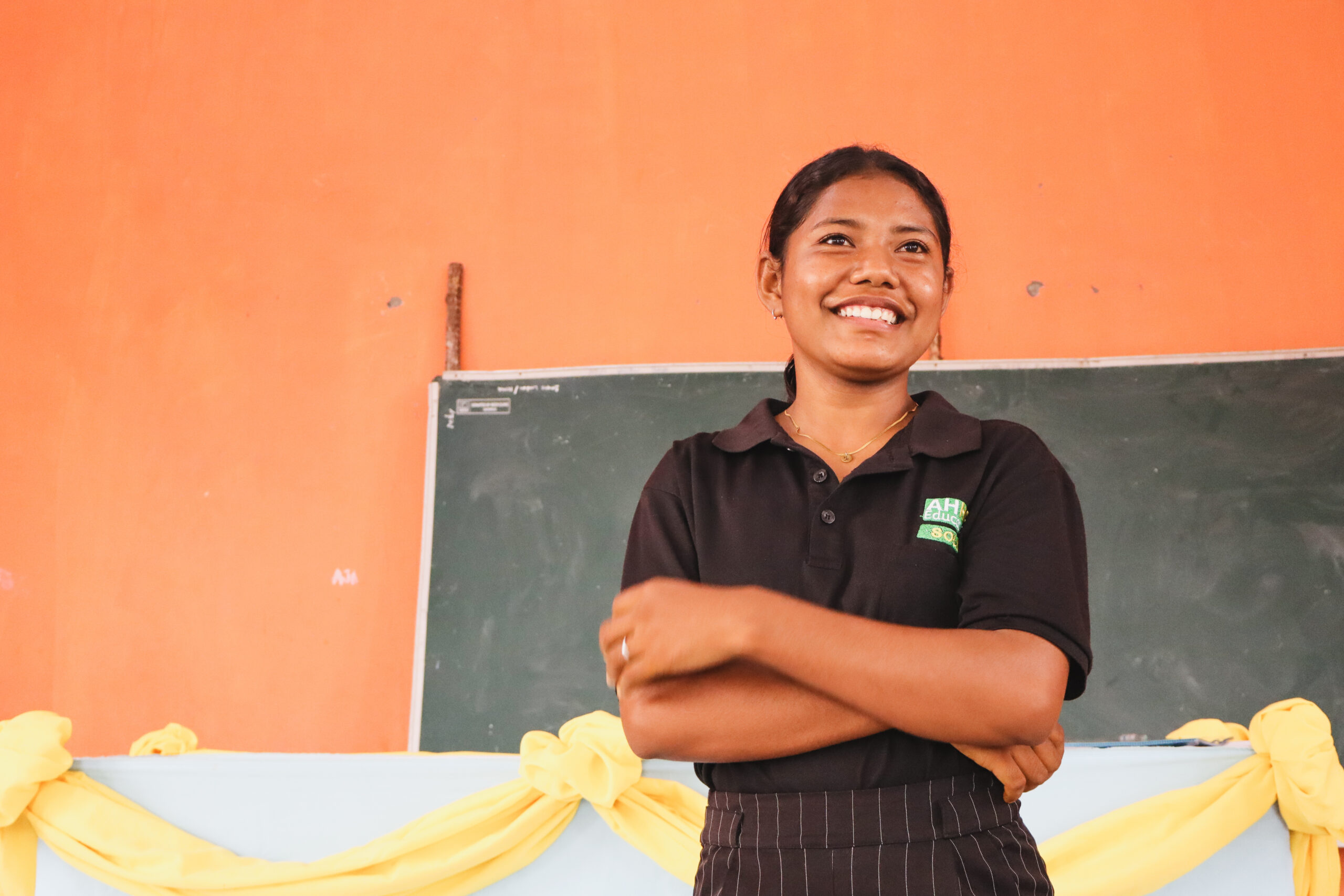
A Timorese school girl

An MSI team traverses a river in Papua New Guinea