

The Maputo Protocol was adopted on 11 July 2003, heralding a new era in the women’s rights movement in Africa.
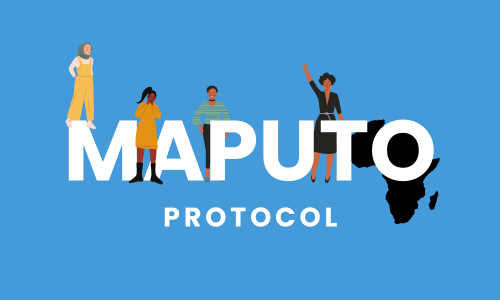
Aiming to address a full range of barriers to women’s equality in Africa, the Protocol enshrined the right to access comprehensive reproductive healthcare services and is the only African legislative instrument to provide for the right to safe abortion.
Countries that have ratified the Maputo Protocol in full, such as Ethiopia, Burkina Faso, and the Democratic Republic of Congo, have seen significant progress in access to sexual and reproductive healthcare – and wider gender equality. For example, in the Democratic Republic of Congo, the government published Standards and Guidelines for Woman-Centred Comprehensive Abortion Care and invested in a new training curriculum for midwives, supporting access to high-quality abortion care. In Ethiopia, since abortion was legalised in 2005, maternal mortality due to unsafe abortion has dropped from 31% to 1%, saving the lives of women and girls.
But two decades on, progress is far from equal. As of April 2023, 43 out of 54 African countries have ratified the Maputo Protocol but only a handful have reformed their abortion laws in line with the Protocol.
Gender equality cannot be achieved without access to comprehensive sexual and reproductive health and rights, including safe and legal abortion care. MSI calls on all African Nations to ratify the Maputo Protocol and adopt it into their national laws and policies, ensuring access to sexual and reproductive health and rights for all.