

“When women come to me, I tell them that abortion is an option, it’s possible, and if it’s what they want, then we can find a way to do this.”
One thing to know about me is that I’m a dreamer. I dream of having a job that lets me be the feminist that I am. I dream of everyone having the same opportunities for healthcare, for rights, for work, for money. I dream of justice.
But dreaming for our governments to do the right thing has never got us very far. I look across Latin America at how they are failing women, as we endure violence and bad living conditions. We tell them we need reproductive healthcare, safety, dignity. No one seems to care.
In my community, we’re helping each other instead. I’m part of a network of volunteers supporting women to access abortions.
What we’re doing is not unusual. These local networks are helping women all over the world.
Our collective is diverse – young and old, women who’ve had abortions and who haven’t, lesbian women like me and my partner, trans and gay men, mums – even my own mum.
I’m a companion. Women and girls find me mostly through word of mouth, my phone number slipped into their hands. They nervously dial and ask for my help. With the information that I give, they can decide whether they want to have an abortion. Before, during or after, I’m just a call away.
With so little public education on reproductive health, an abortion can be greatly feared – a woman can imagine terrible pain or death or never having children again – so when I talk to someone who is deeply afraid, I can give her the right information and let her know it’s a simple and safe form of healthcare.
I can also signpost her to the people or products she needs. Sometimes the cost is high, so we raise money from friends, family, from everyone around us.
I don’t ask people why they want to end their pregnancy, it’s not important to me. But sometimes they tell me anyway. For some, it’s a political act of resistance in their impoverished and crisis-ridden lives. For others, it’s simply personal.
A teenager told me she was studying to be a professional and didn’t want to let that opportunity go.
A mum of seven explained she was from a community that had been exploited by mining companies – I could relate as I grew up in a similar place. Kids at 12 or 13 are made to go work in the mines and some of them die. Access to clean water is scarce. To be a mum in these conditions is hard. She didn’t want any more children, and I respected that.
No matter the reason, I respect it. Because I’ve seen that when people are denied this choice it can break their soul.
So, I am their companion. When women come to me, I tell them that abortion is an option, it’s possible, and if it’s what they want, then we can find a way to do this.
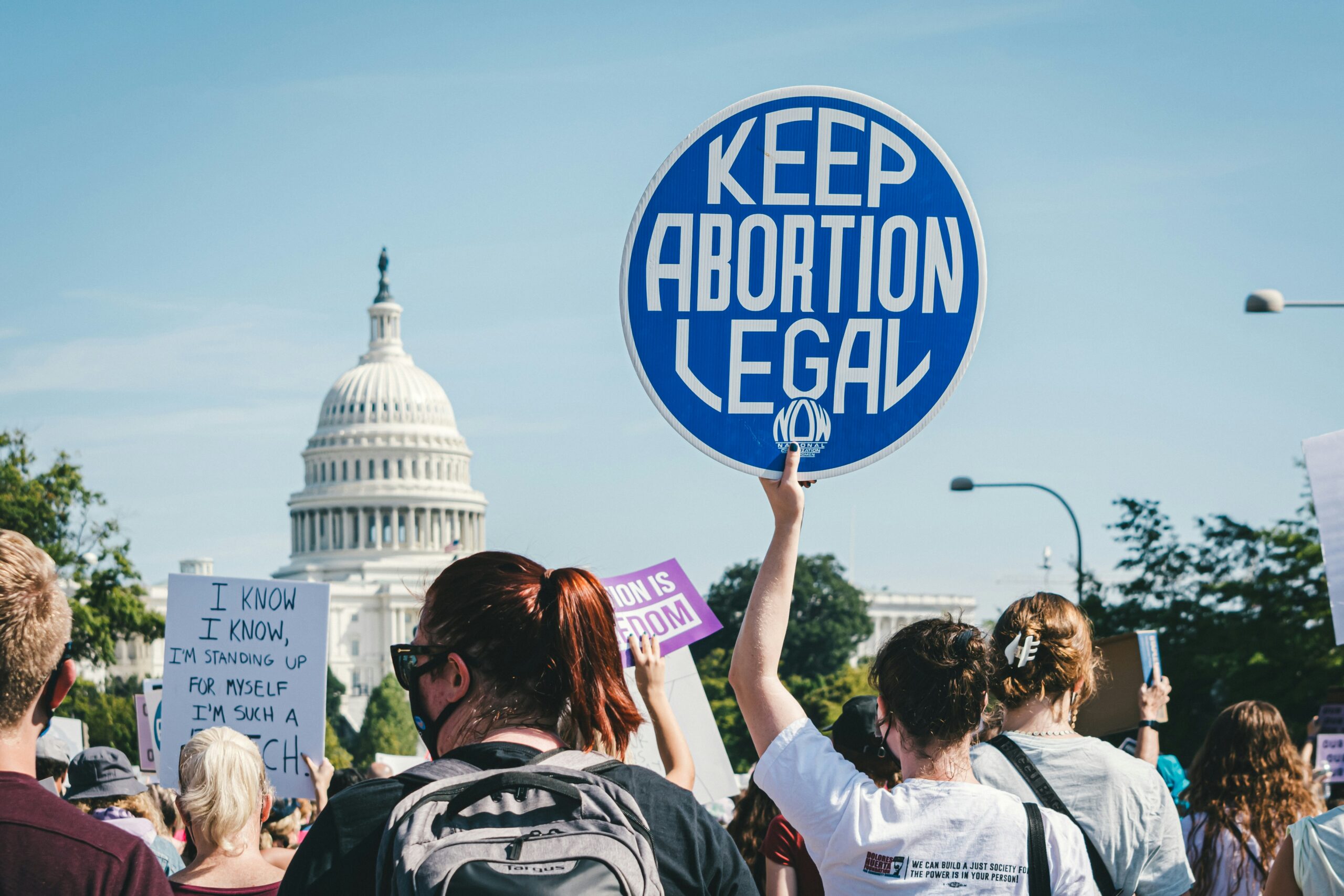
I have learned that so many people are having abortions. Abortion rises above our authoritative and moral constructs. People have had abortions since before governments existed, and will continue to, despite what people in power think about it.
Women are going to find a way – we have for millions of years. We help each other. We expect nothing in return.
The women who I’m helping are better off, because they stay with their dreams. To be still dreaming is, to me, the most human thing we can do for a person.