



Roe v Wade overturned:
How to help
abortion rights
In June 2022, the U.S. Supreme Court overturned Roe v Wade, a landmark ruling that had protected the constitutional right to abortion for nearly 50 years
This page explains why and how Roe v Wade was overturned, what this means for abortion globally, and how you can take action to protect abortion rights.
Last updated December 2025
Jump to:
How was Roe v Wade overturned?
When was Roe v Wade overturned?
Why was Roe v Wade overturned?
How to support reproductive rights now that Roe v Wade has been overturned
Learn: The global effects of Roe v Wade being overturned
Support: Help us protect the right to choose
What is Roe vs Wade?
In 1973, abortion was made legal in the United States thanks to a landmark case known as Roe vs Wade. The US Supreme Court judged that a woman’s right to an abortion was protected by the US constitution, which famously guarantees ‘liberty’ e.g. the freedom to make personal decisions about family, health, relationships, and our bodies.
Roe v Wade changed abortion from a generally unsafe, underground activity that claimed the lives of many women, to a legal and safe healthcare procedure.
Deaths from unsafe abortion plummeted. Women and girls’ opportunities bloomed, and gender equality advanced across the board: in education, work, the economy, and politics. Leading economists have detailed the direct impact of abortion access on women’s social and economic advancement – research found that access to abortion increased the likelihood that young women would finish college and pursue careers.
However, in 2022 the Supreme Court overturned this decision, going against public opinion and violating the autonomy and abortion rights of millions across America.
The impact of the Roe V Wade’s reversal has been felt worldwide. Anti-choice groups are emboldened and fighting to restrict abortion and reproductive rights elsewhere.
Join the fight back – donate to protect our reproductive rights.
How was Roe v Wade overturned?
Roe v Wade was overturned on 24 June 2022, when the US Supreme Court ruled in the Dobbs v Jackson Women’s Health Organization case that the constitution does not protect the right to abortion – ending nearly 50 years of protection.
Anti-choice groups had repeatedly been challenging Roe v Wade over decades. They lobbied politicians and brought case after case in front of judges to dismantle the right to abortion.
There were more than 1300 abortion restrictions put in place between when Roe v Wade was implemented in 1973 through to 2021. The anti-choice movement diligently undermined reproductive rights at every turn.
The case that changed everything was a 2018 Mississippi law that banned almost all abortions after week 15 of pregnancy (experts say foetal viability happens at about 24 weeks). It flew in the face of Roe’s protection of reproductive freedom. This is the case that reached the Supreme Court in 2021 known as Dobbs v Jackson Women’s Health Organization, and led to the decision that ended the right to abortion in the US.
When was Roe v Wade overturned?
Roe v Wade was overturned by the Supreme Court on 24 June 2022. This decision stripped away the federal right to abortion in the US, leaving the legality of abortion up to individual states.
Why was Roe v Wade overturned?
Roe v Wade was overturned because the US Supreme Court ruled that the Constitution does not explicitly protect the right to an abortion. They wanted to leave the decision to each state.
In their majority opinion, the justices argued that Roe v Wade was wrongly decided in 1973, claiming the ruling went beyond what the Constitution allows.
A right to healthcare that women believed they could rely on was suddenly stripped away from them.
How to support reproductive rights now that Roe v Wade has been overturned:
Here are three ways you can support reproductive rights and #ProtectChoice:
1. Learn about reproductive rights around the world
Knowledge is power and if we know our rights, it makes it much harder to take them away. Learn about global reproductive rights and sign up to our newsletter to remain in the know.
2. Share news on the continuing impact of Roe v Wade being overturned
The more people sharing the global impact of this decision the better. Stay up to date via MSI’s social media channels so you can spread the word with your community.
We’re on Instagram, Facebook and LinkedIn.
3. Support global abortion rights and access
A donation to an abortion fund or provider will support access to abortion care, including for people who need financial or logistical support.
Learn: The global effects of Roe v Wade being overturned
The impact of Roe vs Wade on women’s rights has been felt worldwide.
When the right to choose is under attack in the US, the global anti-choice movement takes notice. They’ve been emboldened and felt legitimised by the Supreme Court decision. They are increasing their efforts to ban and restrict abortion globally.
Open Democracy have estimated that US right-wing Christian organisations have spent $280 million attacking abortion rights and LGBTQIA rights globally. As a global reproductive healthcare provider, we have seen the impact on our programmes, providers and clients.
Abortion bans don’t prevent abortions, they only make them less safe – and the poorest and most marginalised communities bear the brunt.
Here are some of the impacts we’ve seen:
How does the end of Roe v Wade impact women’s rights in the US?
In the US, 1 in 4 women will have an abortion in their lifetime. Yet abortion is now highly restricted in 17 US states.
The end of Roe v Wade means that women with the least resources to travel, pay for childcare, and take time off work, will find it even harder to access safe abortion care and be pushed towards unsafe methods.
With difficult journeys, and additional hoops to jump through, safe services become the privilege of the rich and others are forced to deal with the consequences of unsafe abortions.
Initial research warns that maternal mortality rates will rise and women of colour will be disproportionately affected by the overturning of Roe v Wade.
People are still accessing abortion care in the US
A post-Roe world is different to a pre-Roe world. Many women can get abortion pills by post or at a pharmacy and take them safely at home. Learn more: 5 Essentials to Safely Self-Manage a Medical Abortion.
People and organisations are rallying to fund and provide abortion access for those who are denied it by their state. As a global abortion provider, we’re welcoming women who travel across the border from America to our MSI Mexico clinics, providing them with safe abortion care.
However, when people seeking, providing, and supporting abortion care are at risk of criminalisation, accessing professional medical care in the case of complications or miscarriages will present additional challenges. Initial research warns that maternal mortality rates will rise and women of colour will be disproportionately affected.
Meanwhile, anti-rights groups are trying to further restrict sexual and reproductive rights in the US. From attempting to prevent the use of abortion medication ‘mifepristone’, to the removal of lifesaving care for women in emergency situations.
And recently, the US government has spread dangerous disinformation by claiming that some forms of contraception are ‘abortifacient’ – which we have publicly challenged.
Sara’s story
Sara (a pseudonym) accessed an abortion in the United States after Roe v Wade was overturned.
How does Roe v Wade impact the UK?
The effects of Roe v Wade being overturned were immediately seen in the UK. We saw a significant increase in the number of anti-abortion protestors harassing women attending our clinics. Thankfully safe access zones, which MSI campaigned to secure, now prevent this kind of harassment outside our clinics.
Anti-rights groups are also spending huge amounts of money to restrict abortion laws in the UK. The UK branch of the US-based lobby group ‘Alliance Defending Freedom’ has more than doubled its spending since 2020. They reportedly spent almost £1 million with the aim of influencing UK MPs against a historic vote on abortion law reform.
How has Roe v Wade impacted countries in Africa?
One of the main effects of Roe v Wade being overturned means that anti-rights groups globally have become more organised, sophisticated and well-funded by their US counterparts, including in countries across Africa.
Ethiopia has one of the most liberal abortion laws in Africa, which sadly means it is also one of the countries in the continent with the most to lose. One group in particular, Family Watch International, has used national media channels to call on the government publicly to follow the US and restrict the country’s abortion laws. Our team members also regularly see a car outside clinics in Addis Ababa with a sign calling for the end to abortion.
In Kenya, anti-abortion groups highlighted the overturning of Roe v Wade as a reason to appeal a court decision expanding abortion access. And in Lagos state, Nigeria, the policy guidelines on abortion care for life-threatening health conditions were suspended, less than a month after Roe v Wade was overturned. Our Kenya teams frequently encounter ‘mystery clients’ who attempt to deceive our providers into offering care against the guidelines of the country so that they can report them to the police.
Once these groups have created shame around accessing sexual and reproductive healthcare and it has infiltrated communities around the world, it is so difficult to undo.
We refuse to go back. We are fighting hard to defend reproductive rights and abortion access globally. Will you help us?
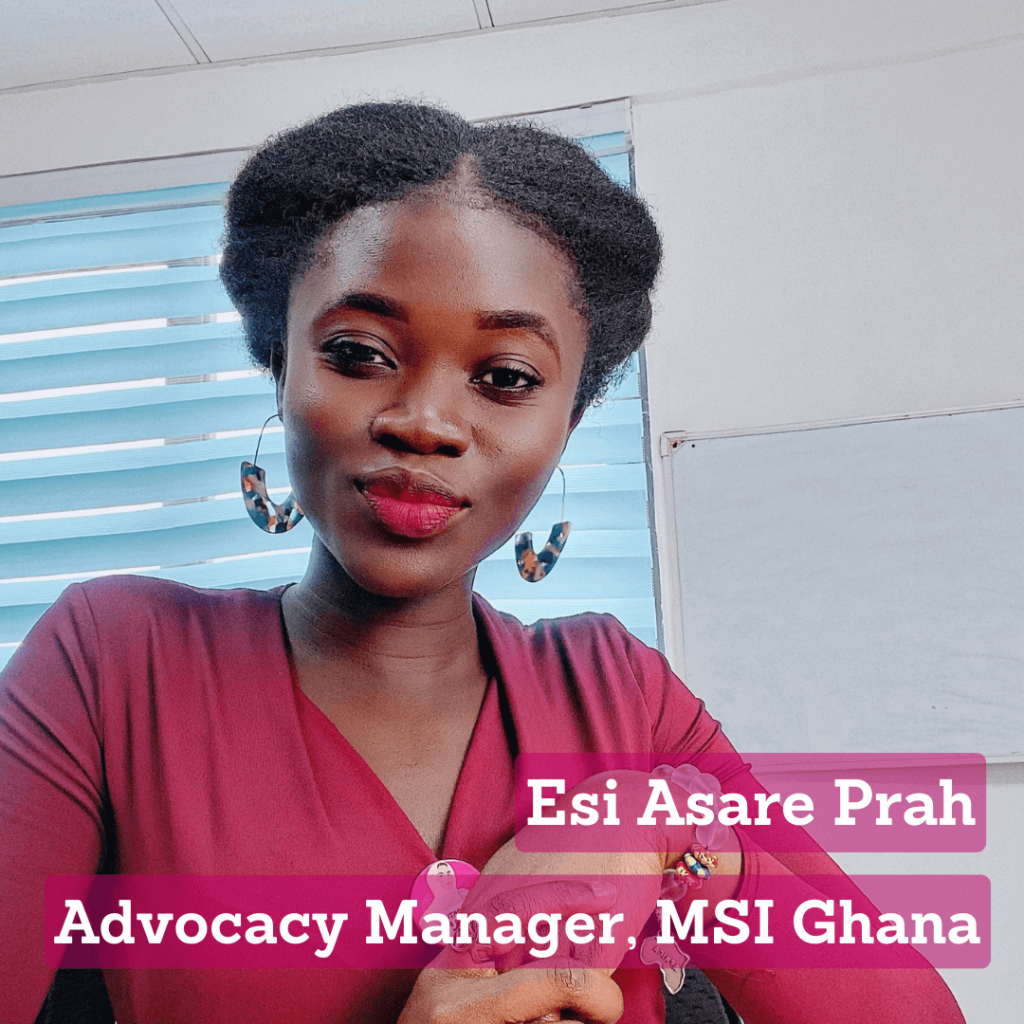
“It gives power to the anti-choice opposition”
Esi Asare Prah, Advocacy Manager for MSI Ghana
“It is frustrating for people like us working in reproductive choice in contexts like Ghana, because what happens in the US affects us. It gives power to the opposition and the tools to advance their efforts. It means those who have been on the fence in the past could be easily swayed to become part of the opposition.”
Support: Help us protect the right to choose
As one of the world’s leading providers of sexual and reproductive healthcare, we work to ensure that everyone has access to reproductive choice.
Delivering healthcare across 36 countries, MSI reaches those with the least access to reproductive healthcare, such as adolescents, people in remote communities and those without the resources to travel to health facilities.
Safe abortion saves lives
We know that the majority stand with us in supporting the right to choose. Across most of the countries we work in, we have seen progress in reproductive rights, leading to better healthcare and opportunities for women. Wherever we work, one crucial fact remains: bans and restrictions do not prevent abortion, they just make them less safe.
We can never be complacent and we must keep fighting for reproductive rights around the world. We will not let anti-rights groups gain control. Abortion is essential healthcare, and everyone should have access to the sexual and reproductive healthcare that they choose, wherever they are in the world.
As global abortion rights are under threat, please consider donating to our global abortion work.
Help us #StandForChoice today
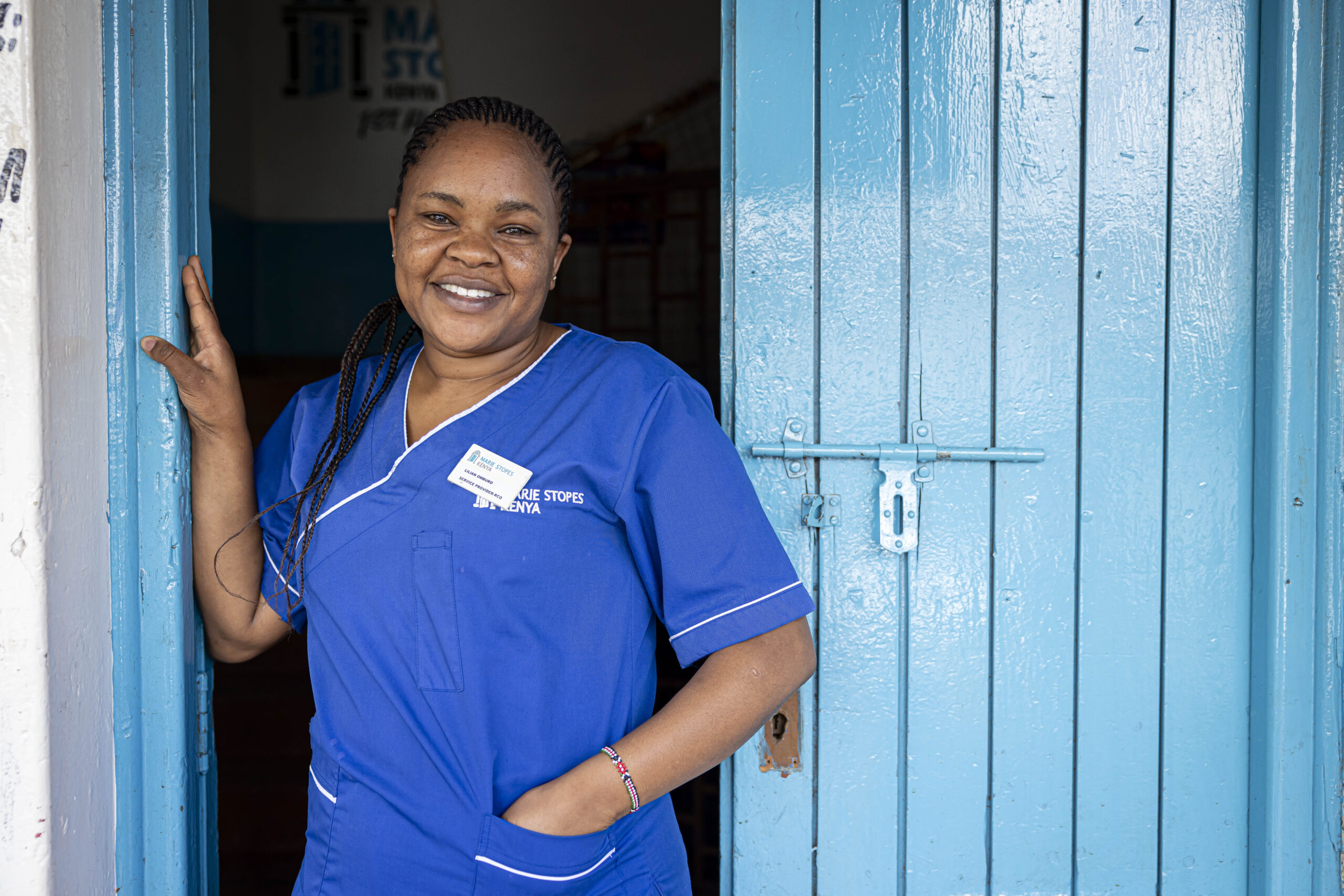
Learn about abortion
Learn more about the right to abortion, and what’s needed to ensure that everyone, everywhere, has the right to choose.
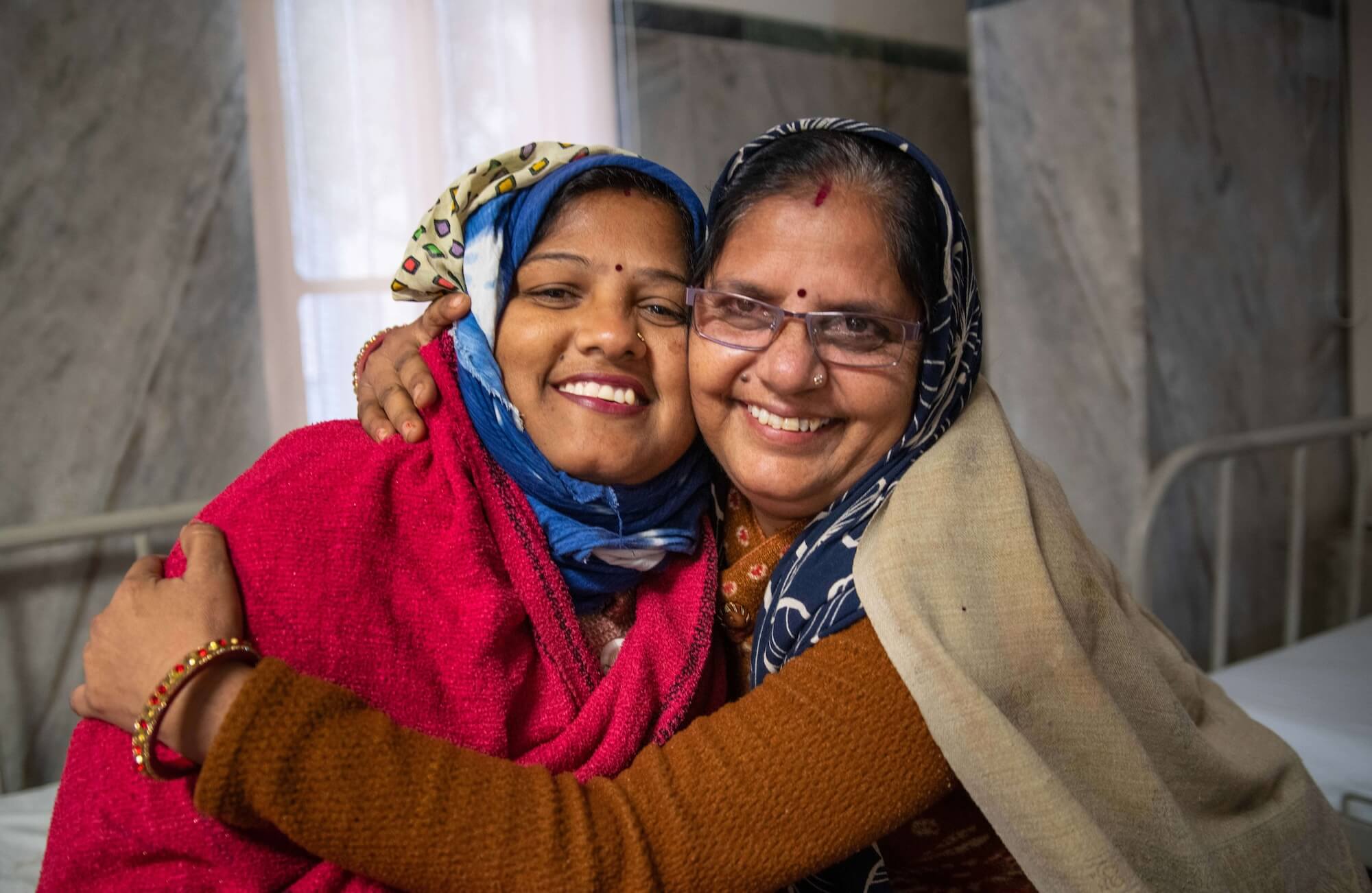
Join our community
Sign up to our newsletter to remain up to date with the latest news on abortion rights from around the world, and information on how you can help.
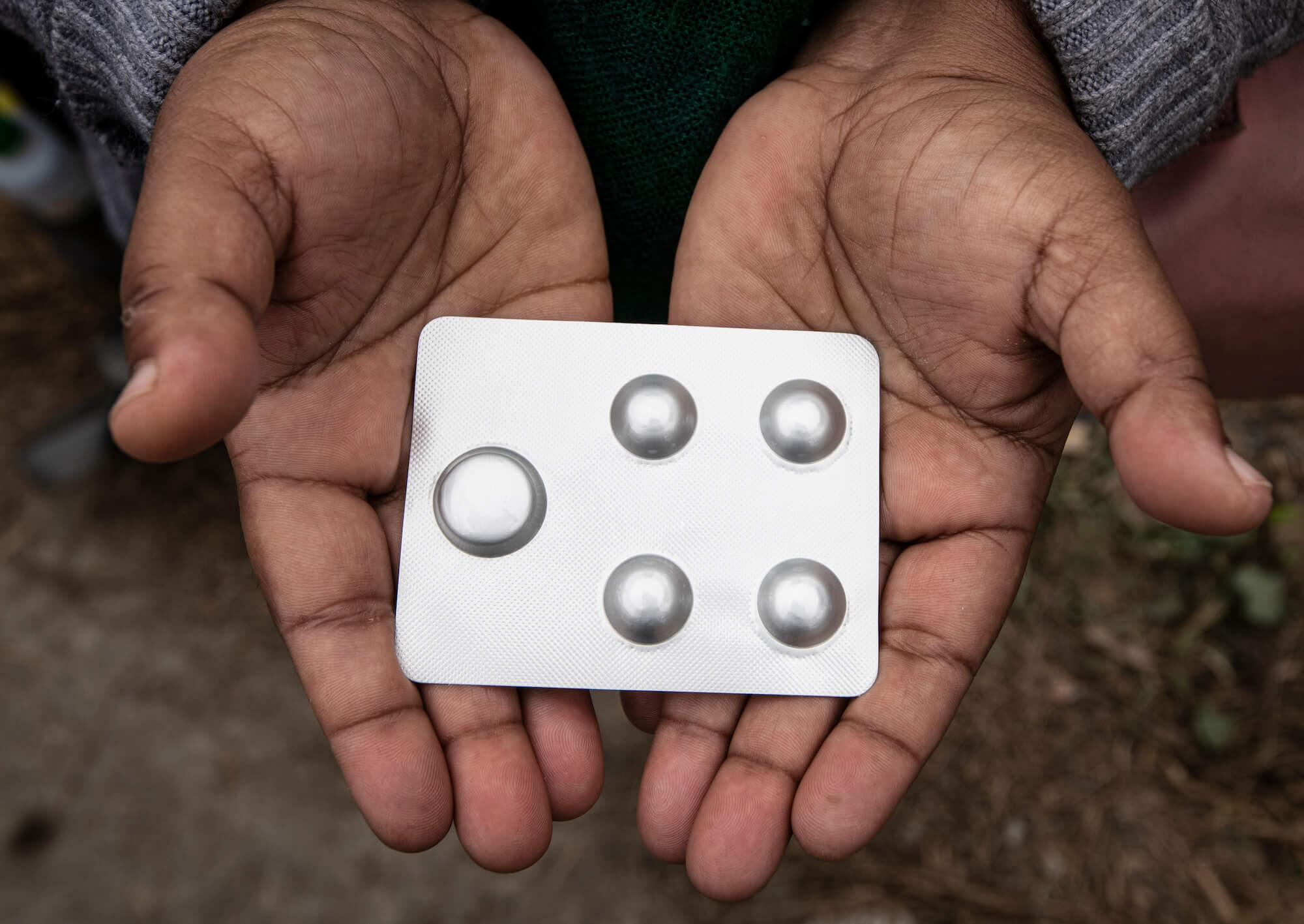
Donate
By supporting our work to deliver reproductive choice globally, you can support those with least access to have the right to choose.