

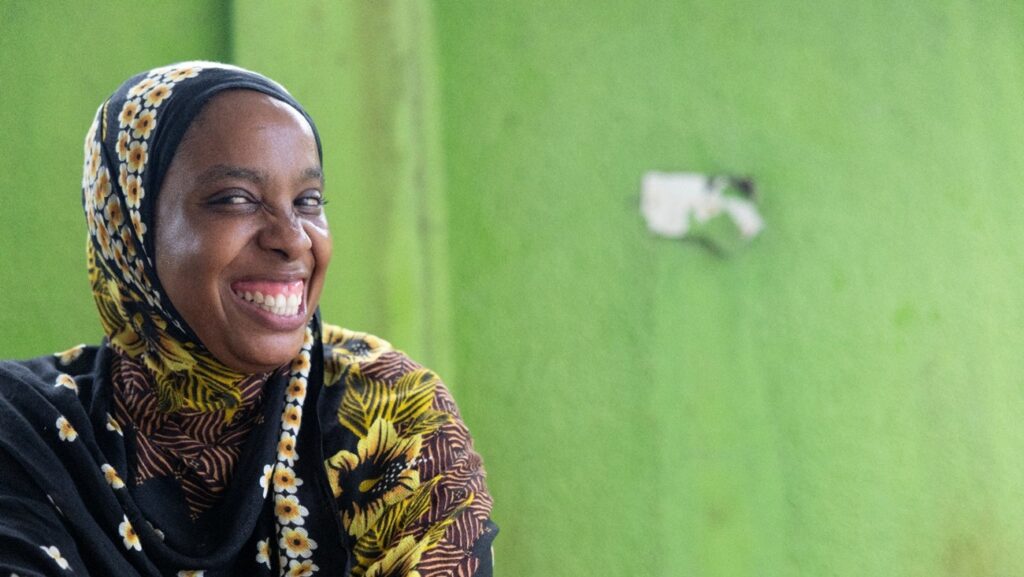
Samira is 29 years old and works in Zanzibar, Tanzania as a teacher. At the age of 20, she made the decision to start using contraception. She wasn’t ready to get pregnant and wanted to keep working.
Samira shared that she was nervous at first, as there were rumours around contraception causing infertility, but MSI healthcare providers helped her to bust these myths.
“MSI helped me see the truth and removed the fear. Today, I confidently use contraception,” Samira shared.
“Contraception gave me the freedom to focus on my career and help my students. When women and girls can access contraception, they have power.”
As a teacher, Samira has seen firsthand how unwanted pregnancies can derail young people’s futures. She recalled students who lost focus on their studies, and another who resorted to an unsafe abortion to end an unplanned pregnancy, putting their health and future on the line.
After using contraception herself, Samira felt empowered to share her experiences. She began talking to her students about contraception, determined to break the cycle of misinformation and fear.
“I talk to my students about contraception because I want them to finish school and reach their dreams. Education and access to these services go hand in hand.”