


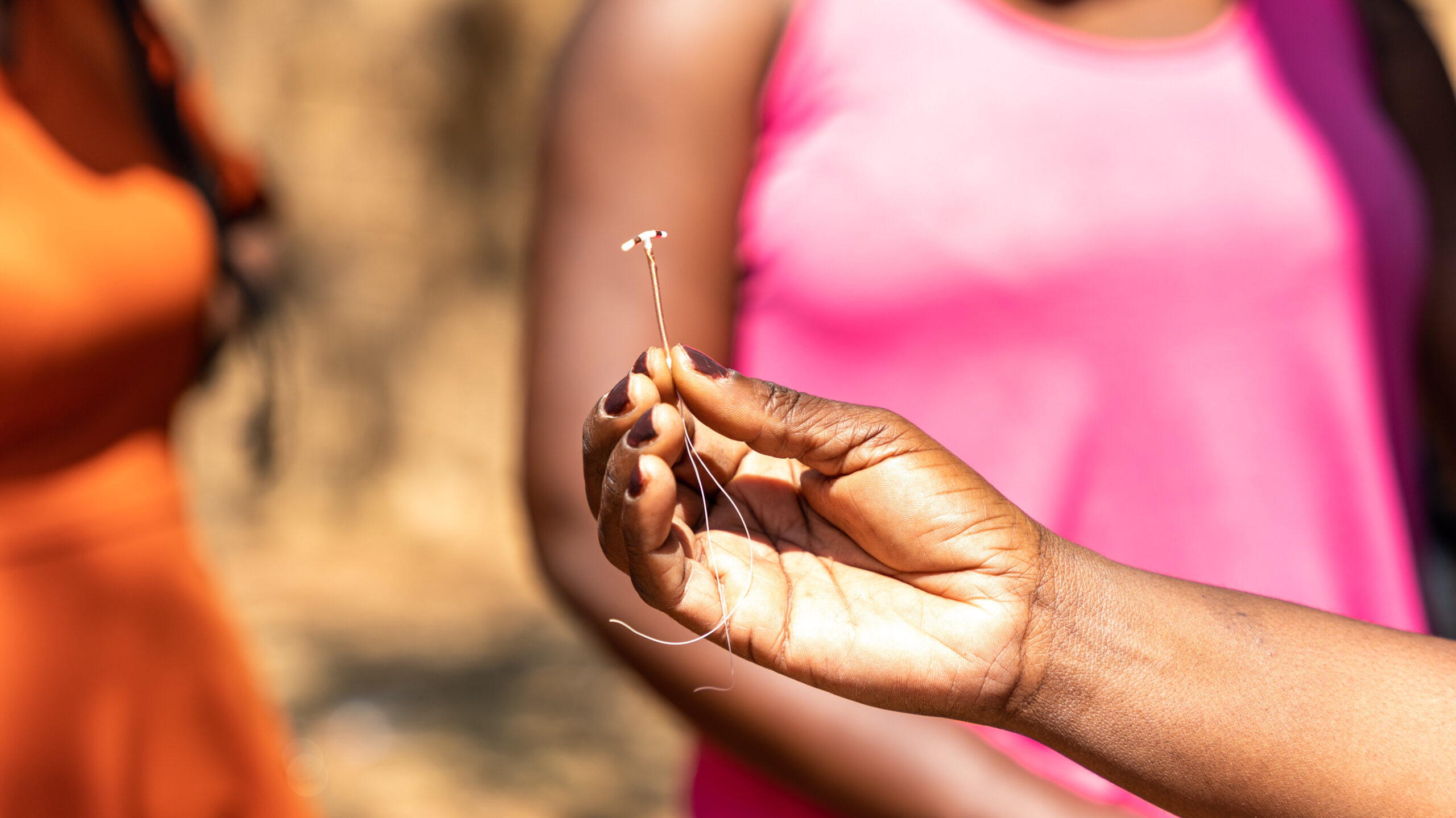
MSI offered to distribute $9.7m of US taxpayer-bought contraception. The US government has decided to burn them instead.
Why is the US government burning contraceptives?
In a shocking decision that will rob women of their reproductive choices, the US government has decided not to distribute $9.7 worth of contraception – already paid for by the American taxpayer – that was meant for global charities to distribute to women internationally.
When MSI learned of this plan, we told them we could distribute the products at no charge to the American taxpayer. We said we’d pay the import fees, handle the logistics and make sure these supplies were placed in the hands of women who need them. Other NGOs made similar offers.
We were all told no. Instead, the US government are expected to spend an estimated $167,000 to burn them.
Why did the US government have these contraceptives in the first place?
Earlier this year, the government dismantled USAID, abruptly ending life-saving care and upending health systems across the world.
USAID already had these contraceptives to provide to other countries, but since USAID has been dismantled, the contraceptives have been sitting in a warehouse in Belgium.
Now, the US State Department has ordered the contraceptives to be transported from Belgium to France and destroyed.
What does this mean for women’s healthcare?
By deciding to burn contraceptive supplies already purchased by US taxpayers instead of redistributing them, the US government is actively undermining women’s access to essential reproductive care.
The destruction puts the health, lives and futures of women on the line. Women who could have used these supplies for years instead face unintended pregnancies, with potential health complications, financial hardship, or even life‑threatening consequences, particularly in areas lacking safe abortion services.
The loss of these contraceptives isn’t just a logistical failure. It is a political choice that deepens global health inequity, stripping women’s autonomy and curbing their ability to make life‑defining decisions about their bodies and futures.
It adds to the loss already felt by women and girls in some of the world’s most remote and marginalised areas, following USAID funding cuts to international health programmes.
Has the USAID birth control already been destroyed?
The contraceptives’ fate is still unknown. They are likely still stranded in the warehouse awaiting their destruction.
Adding to the calamity, authorities in Belgium have confirmed that another 20 truckloads of USAID supplies including contraceptives were stored improperly and are now unusable. Millions of dollars of useful and life-saving resources have already gone to waste.
“It’s a completely political act, and African women are going to pay the price. If the government really wanted efficiency, family planning is the best investment you can make for health and development.”
Sarah Shaw, MSI’s Associate Director for Advocacy
What can we do to stop these contraceptives being destroyed?
Raise awareness
You can raise awareness of the planned destruction of this contraception by sharing on your social media:
Sign a petition
Petitions are calling on governments to halt the destruction of this $9.7m worth of contraception. Sign your name to call for immediate action:
Donate
Support global reproductive healthcare organisations like MSI to protect access to contraception. Your gift will:
- Help us keep reproductive health services open for women and girls who need them
- Ensure we can respond immediately when contraceptive supplies run low
- Support campaigns for sexual and reproductive rights around the world

Learn more
Discover the impact the US and Trump administration is having on reproductive rights worldwide, from US policy decisions to the rise in anti-choice activity.