




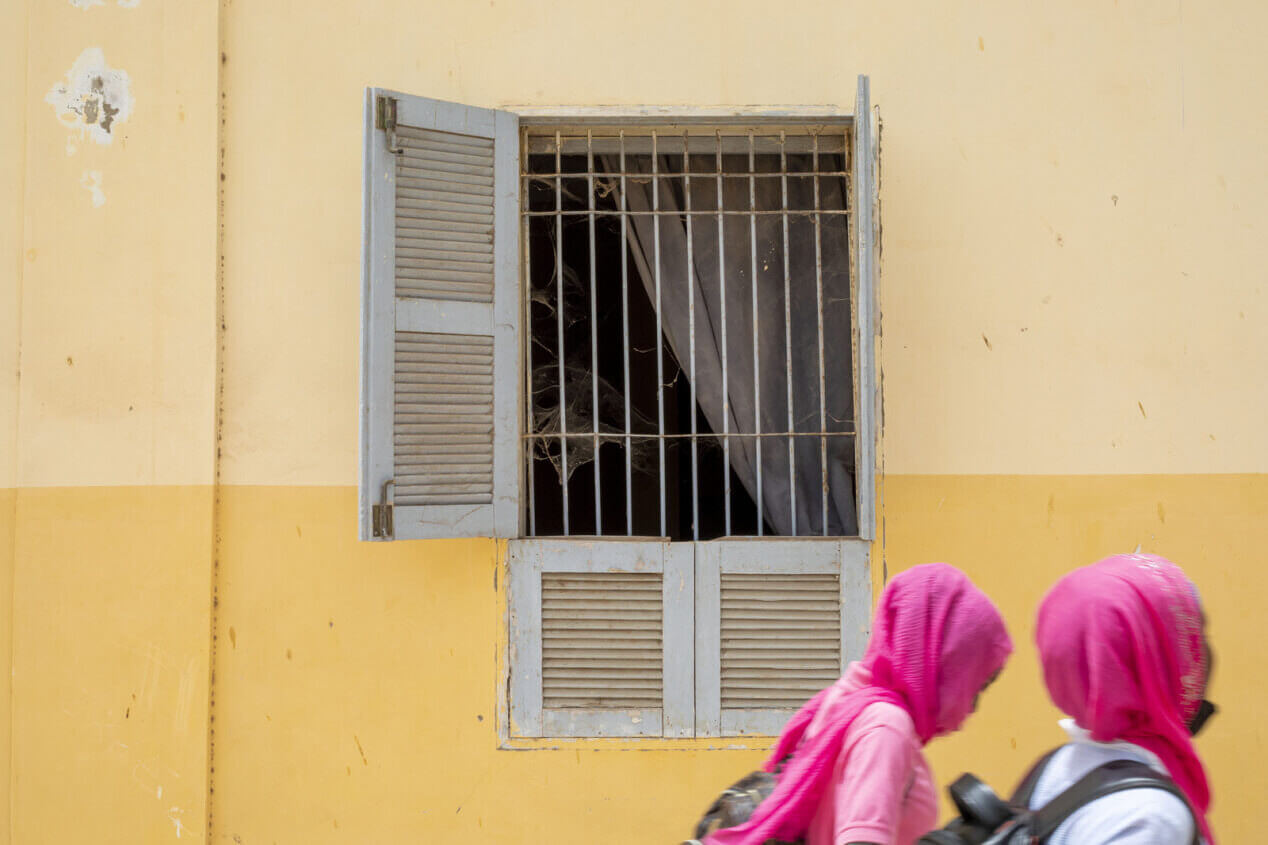
Responding to gendered violence
MSI joins the global 16 Days of Activism Against Gender-based Violence. Our frontline providers support survivors of sexual and domestic violence across the globe.
What is the 16 Days of Activism Against Gender-based Violence?
Women across the world experience sexual and gender-based violence every day, most often at the hands of their male partners and family members. This violence is rooted in gender inequality and is perpetuated by social norms that connect masculinity to power and an entitlement to women’s bodies.
MSI’s frontline teams are often entrusted with client’s private experiences, and come across survivors of sexual and gender-based violence in all 36 countries where we work.
736 Mil
(1 in 3) women worldwide experience gender-based violence
Every 10 minutes
a woman or girl is killed in their home by their husband, partner or family member
The 16 days of activism campaign runs from 25 November to 10 December every year to spur collective action against this violence.
Digital violence
This year the theme of the 16 days of activism is ‘end digital violence against all women and girls’. This resonates strongly with our teams at MSI, as our country programmes are facing a wave of online censorship and misinformation on sexual and reproductive health.
We raised the alarm on this recently, with a report revealing that accurate information on abortion and contraception is being censored by tech platforms globally. The suppression of health information online is a form of digital violence that will lead to more unintended pregnancies and unsafe abortions.
Our MSI Mexico Director Araceli Lopez-Nava recently shared her own story of managing the chaos when their abortion services WhatsApp line was cut off by Meta. She said:
“What I’m seeing play out online makes me believe that women’s rights are under attack in the digital world just as much as the real world.”
MSI is proud to support the 16 days of activism. There is #noexcuse for online abuse.
Read on to learn how we support survivors of gender-based violence directly.
“I can remember three teenage girls who were sexually assaulted. We supported them with comprehensive sexual healthcare, including STI screenings and contraception. Our services can help protect them from unwanted pregnancy.”
Dr Flores, Medical Doctor, Bolivia
How reproductive healthcare providers support survivors of violence
Frontline reproductive healthcare staff – like MSI providers – can often be the first person to whom a survivor will reveal their experience of sexual or domestic violence. This is because we offer a safe space where women can talk freely about their sexual experiences and health, knowing that anything they discuss will be confidential and met without judgement.
Sexual assault, forced pregnancy, reproductive coercion — these are all forms of gender-based violence that intersect with sexual and reproductive health.
It’s essential that any client accessing sexual and reproductive healthcare can safely disclose experiences of violence and be met with understanding and support. Our providers are uniquely placed to help people get the support they need.
“[I had an abortion] because of the person I was with. Our relationship was very violent. As a child I suffered beatings and humiliation… I didn’t want that for someone coming into the world. The MSI provider gave me a lot of guidance in the process and I didn’t feel judged.”
– MSI Mexico client
Wherever we can, we integrate support for survivors into our work because women seek our care and services. It’s an obvious and vital extension of our work helping women live healthy and autonomous lives.
Across our global partnership, we have varied and localised training and safeguarding measures in place, so that when a client discloses that they’ve experienced violence, MSI frontline staff can respond in three affirming ways:
Providing immediate frontline healthcare
In cases of sexual violence like rape, we offer survivors timely sexual and reproductive healthcare like emergency contraception, pregnancy testing, HIV and STI testing and management, abortion and post-abortion care.
Responding with compassion, confidentiality and choice
By creating a safe space with a survivor-centred approach, we validate a survivor’s experience and put them in control of their next steps.
Referring survivors for further support
Beyond the first response health services and emotional support that we offer, survivors may need to access other critical services. We have local referral pathways in place so we can refer survivors to trauma counselling, legal or economic assistance, shelters, child protection, and other forms of specialist support.
Referring survivors to specialist support
Every client’s experience is unique. While MSI providers listen empathetically to survivors and provide first-response medical care and emotional support, some clients need further help. They may need specialist gender-based violence counselling, a lawyer, help with their financial situation, or a shelter where they can stay to escape violence.
We identify and map local services and develop partnerships with local organisations and specialists in the areas where we work. When a client wants further support, we’re able to let them know what local services are available and can connect them.
These local organisations also refer survivors to MSI when they need sexual and reproductive healthcare. For example, the Katswe Sisterhood is a youth movement supporting survivors of gender-based violence in Zimbabwe, and they refer survivors to MSI. They offer pre-paid vouchers for them to access our services like HIV testing and contraception.
MSI’s local teams work hard to build and maintain these referral pathways. As Dr Pyae Sone Aung from MSI Myanmar tells us:
“I attend coordination meetings in my township to share information about what healthcare services we can offer and build relationships with other service providers. Recently the local legal clinic has referred survivors to us for reproductive healthcare.”
While 28-year-old Joana (name changed), accessed contraceptive services from our outreach team in Timor-Leste, she disclosed both her disability and her multiple experiences of sexual assault resulting in two unwanted pregnancies. With care and counselling, we were able to provide her with her choice of a contraceptive implant and let her know about local services that could help her further, like legal assistance and counselling support.
Together with other organisations, we offer pathways and choices. The client is always in control of what they want to do, whether that’s pursuing legal action or seeking other types of help.
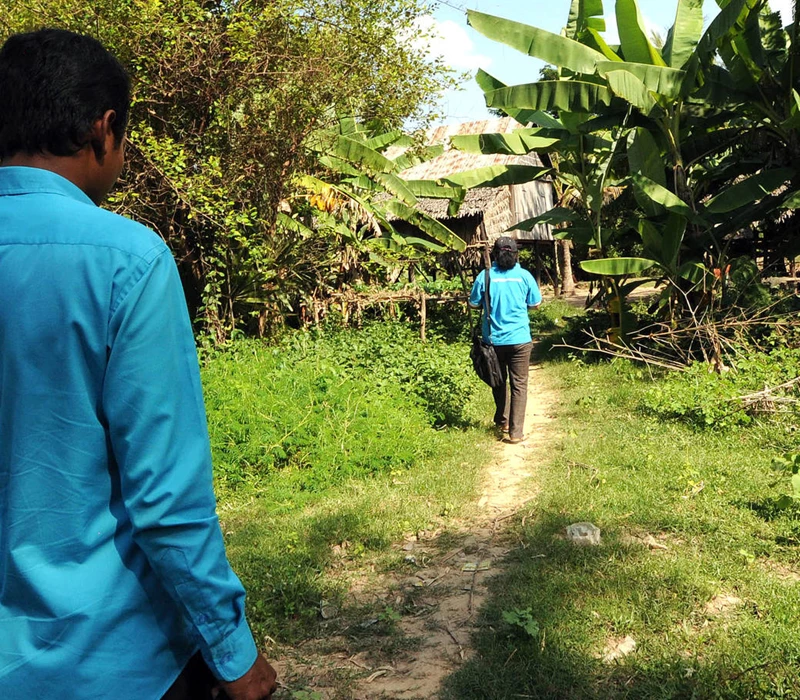
In Papua New Guinea, 3 out of 4 women experience violence or sexual harassment. Edward Karapen is MSI PNG’s Sexual and Gender Based Violence Mentor. He trains MSI providers and builds referral pathways to support survivors.
“During appointments, we give women an opportunity to talk about vulnerable, personal and intimate experiences and choices. It might be a survivor’s only chance to talk to someone about it, and we must be able to help.”
In a blog post, Edward writes about MSI’s work helping survivors across the Asia-Pacific region, with striking examples from PNG, Bangladesh and Nepal.
Addressing the social norms that give rise to gender-based violence
MSI is a proud advocate for gender equality. Recognising that this will only come about with large-scale systemic change, we use our global reach, our partnerships, and our trusted reputation to create positive changes on every level.
Part of this work is challenging the harmful policies, norms and practices that restrict bodily autonomy and normalise violence.
Our various country programmes tackle this in different ways. In Papua New Guinea, the team are rolling out tailored, local campaigns to build awareness of the harm caused by violence against women. And in Tanzania, MSI’s local staff have developed male and youth engagement sessions so men and boys can play an active role in ending gendered violence.
Engaging communities – especially young men and male community leaders – in discussions on power, cultural norms and gendered violence is leading to vital and lasting change that will save women’s lives.
A focus on women and girls
Our focus is on women and girls because most of MSI’s healthcare services centre on integrated women’s health services. Acknowledging that all genders including men, transgender and non-binary individuals also experience sexual violence, we aim to provide high-quality, stigma-free treatment to anyone seeking our services.
We’re committed to supporting people where they are and with what they need.
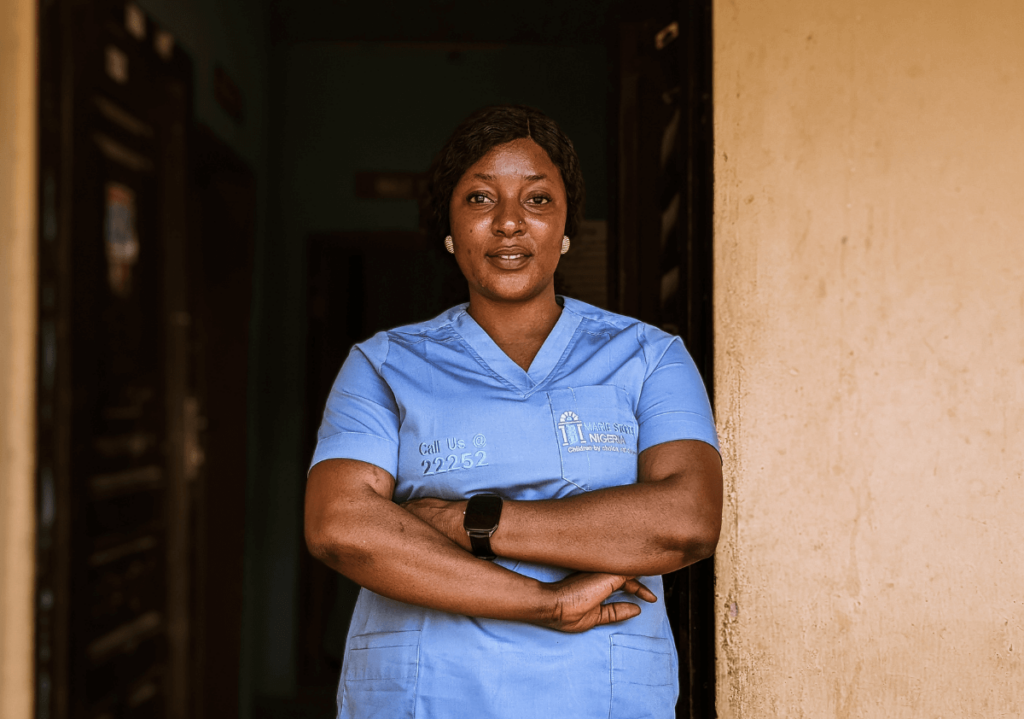
Learn more and support
Read more in a blog post from a frontline MSI team member supporting survivors, sign up to receive updates on MSI’s work, and donate to support this life-changing work.
Blog: supporting survivors in Asia Pacific
Edward Karapen, MSI Papua New Guinea’s Sexual and Gender-Based Violence and Inclusion Mentor, gives us a glimpse into MSI’s work to build support for survivors into our services. Read his blog to find out more.
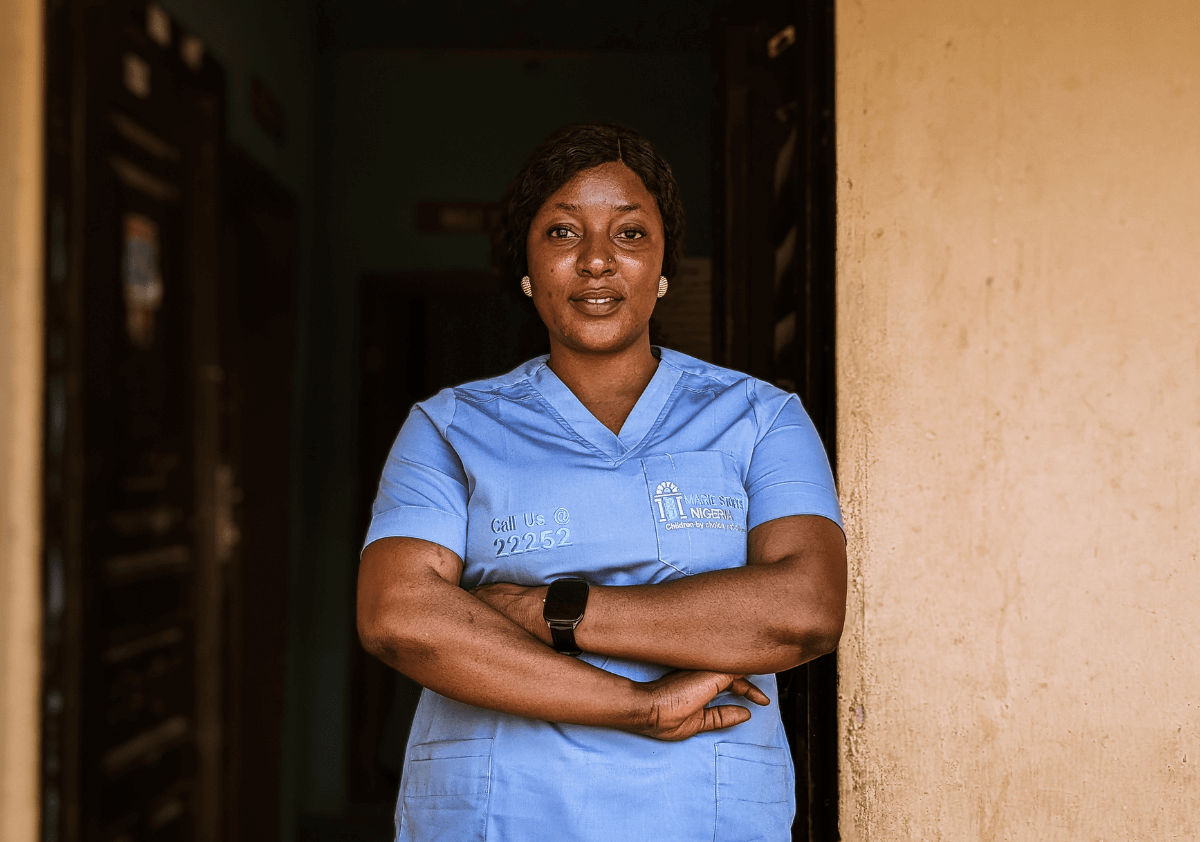
Sign up to receive the latest news and updates
Enjoyed learning about this? Sign up for the latest news and campaigns on global reproductive health and rights and learn how you can help.
Donate to support women and girls
Our providers work around the world delivering sexual and reproductive healthcare for millions of women and girls. Support reproductive choice with a donation today.