

When women can choose when and if they have children, they can control their own future. That could mean finishing their education, working to achieve financial security, or simply entering parenthood on their own terms.
The global demand for contraception and abortion is higher than ever, as more women and girls have learned about their rights and options. But many women in rural, remote places don’t yet have access to this healthcare. So MSI is doing whatever it takes to change that.
We’ve built local programmes that reach remote communities who typically cannot access reproductive health services.
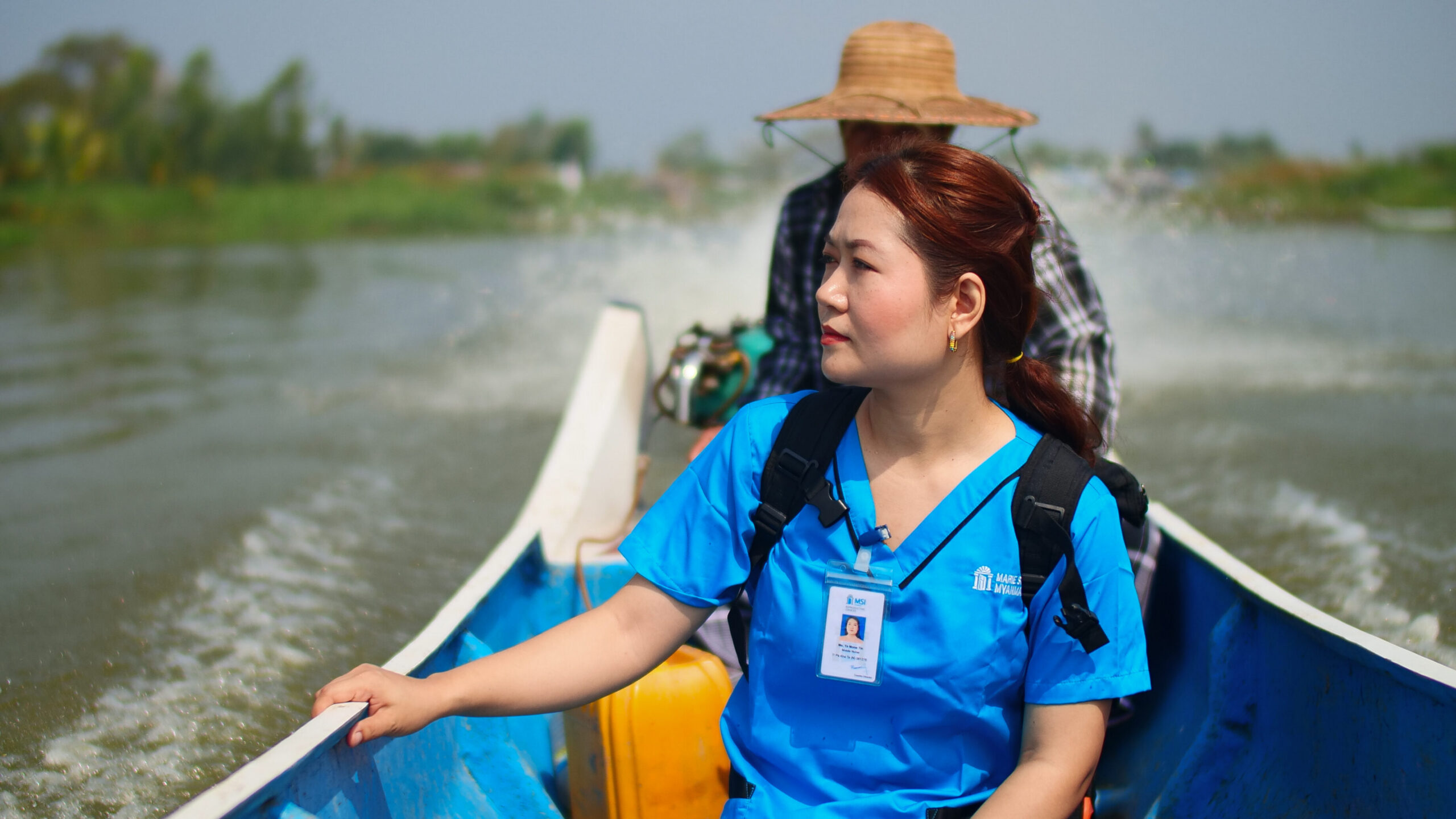
Our 350 outreach teams across Africa, Asia and Latin America travel long distances to offer modern contraception methods – and abortion where legally permitted – directly to communities.
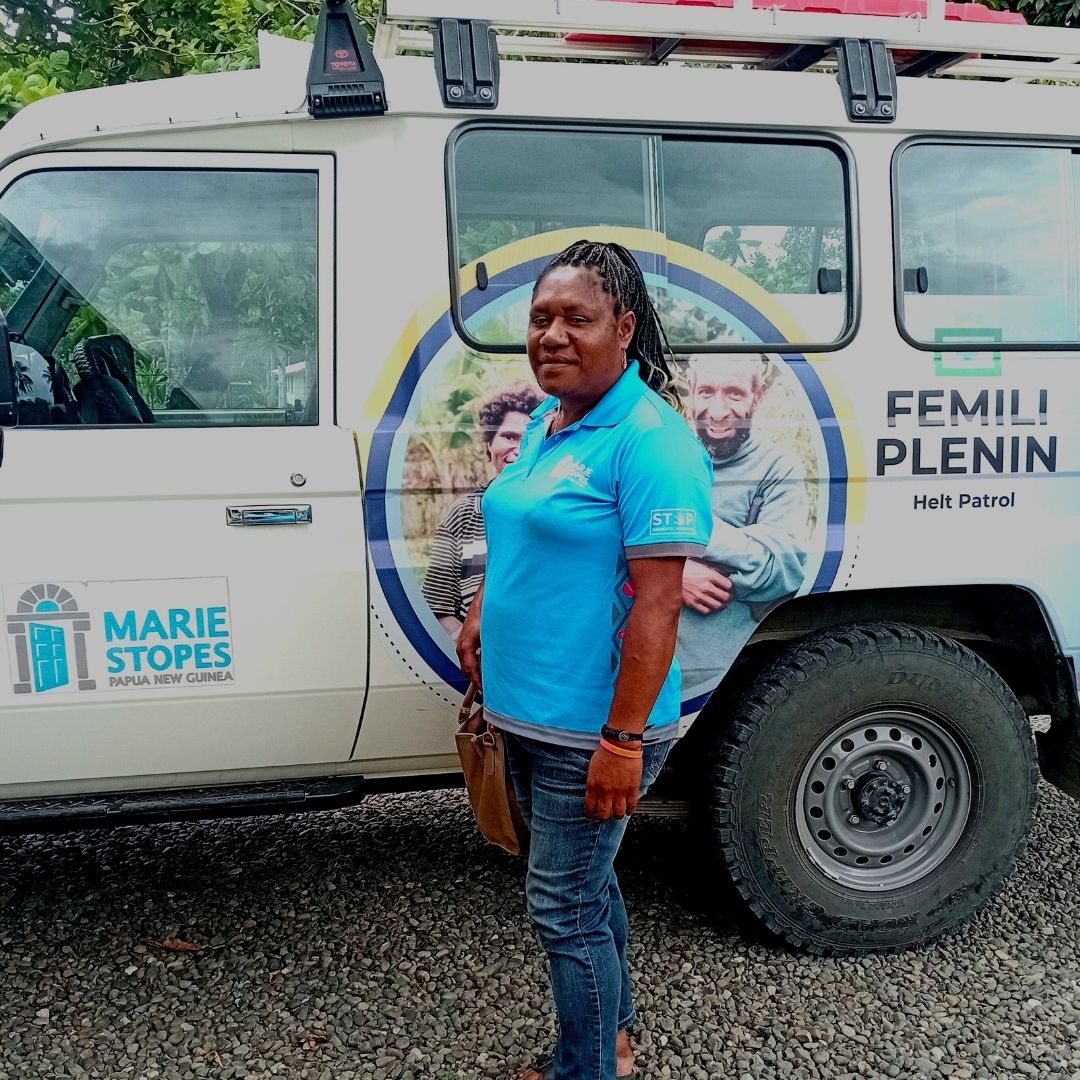
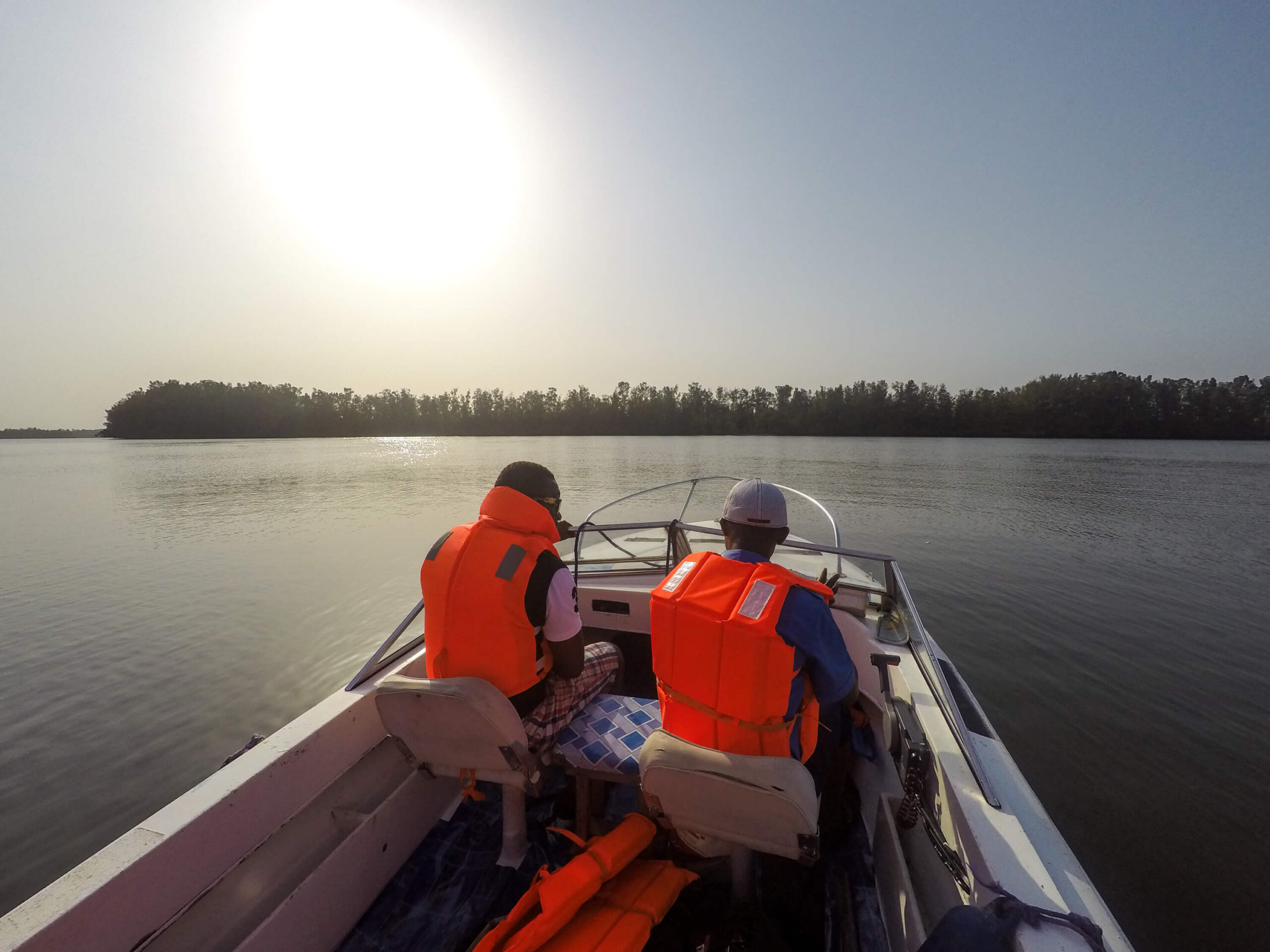
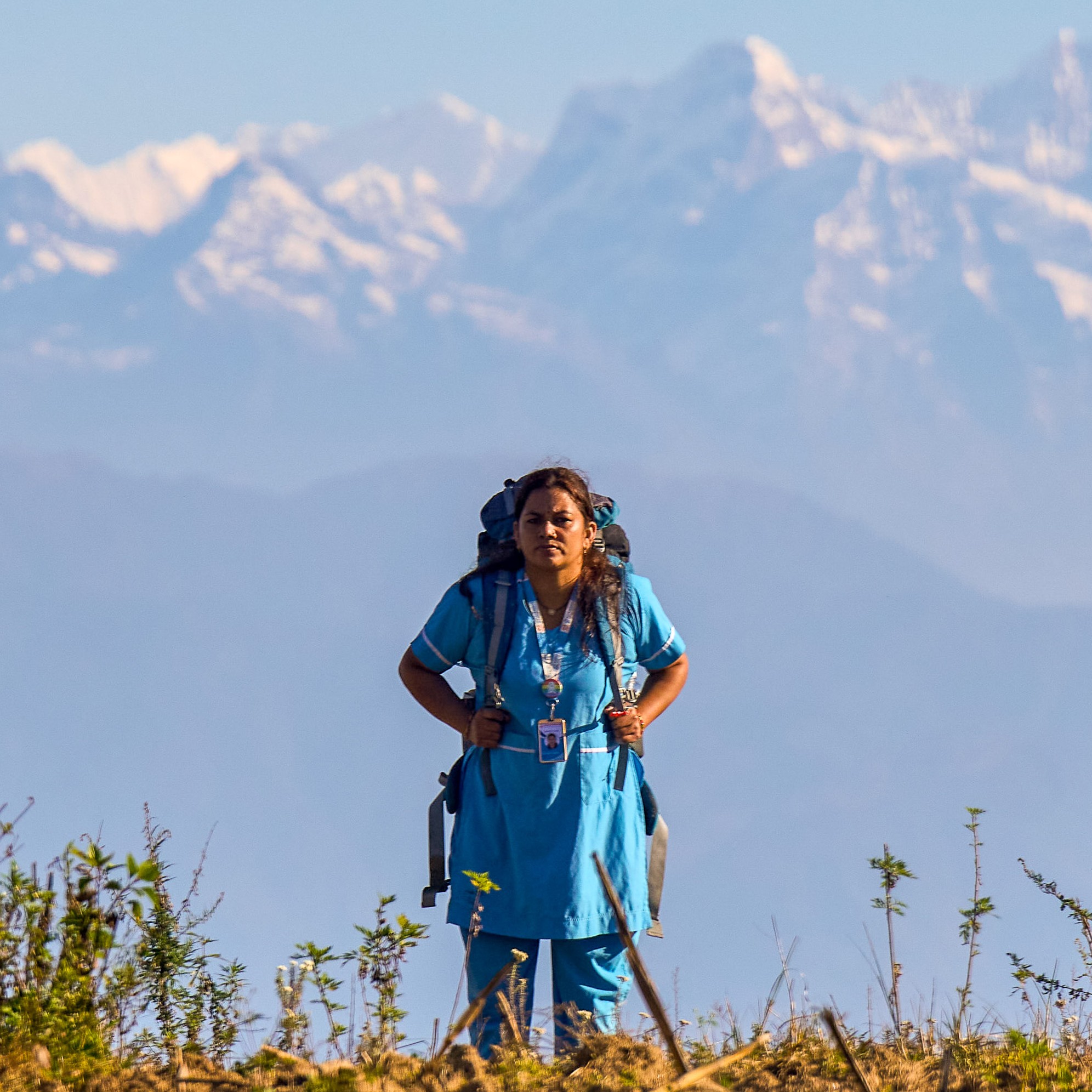
In 4x4s or boats, or by foot, our teams are bringing family planning information and services to people in the world’s farthest-reaching areas.
Reaching communities where the need is greatest
MSI’s outreach work is about going where no one else goes – where our services are needed the most. Because we’re doing this work at scale, it allows every dollar invested by donors to work harder and go further.
$5
protects someone from an unplanned pregnancy for a year, with MSI’s services
86%
of MSI’s outreach clients are from under-served and marginalised communities
In 2025, our outreach teams reached 5.2 million people who previously had little or no access to reproductive care. More than half of the people our mobile health teams support have no other option for accessing contraception.
How do we know it’s working?
MSI’s research and evidence team members worldwide collect data and undertake research to help us understand who we are reaching, and to inform decisions and strategies.
Clients themselves are the best source of insight into who we’re reaching and the quality of care we provide. Our Client Exit Interviews ask thousands of our clients each year who they are, why they accessed MSI’s care and what impact our services have on their lives.
This client-led data has shown us that mobile health outreach is the most effective way to reach women in the poorest communities. Our outreach teams reach 3.5x more clients living in severe poverty than our private-sector approaches, and 1.5x more clients than our public-sector approaches.
We also look to national data and benchmarks. In Nigeria, for example, the national benchmark measuring women living in poverty who use modern contraception is 12%. MSI Nigeria’s outreach clients who fall into this bracket make up 31%. Reaching 2.6x more women in poverty than the national average demonstrates that MSI is actively pushing past existing health system challenges to serve those most in need.
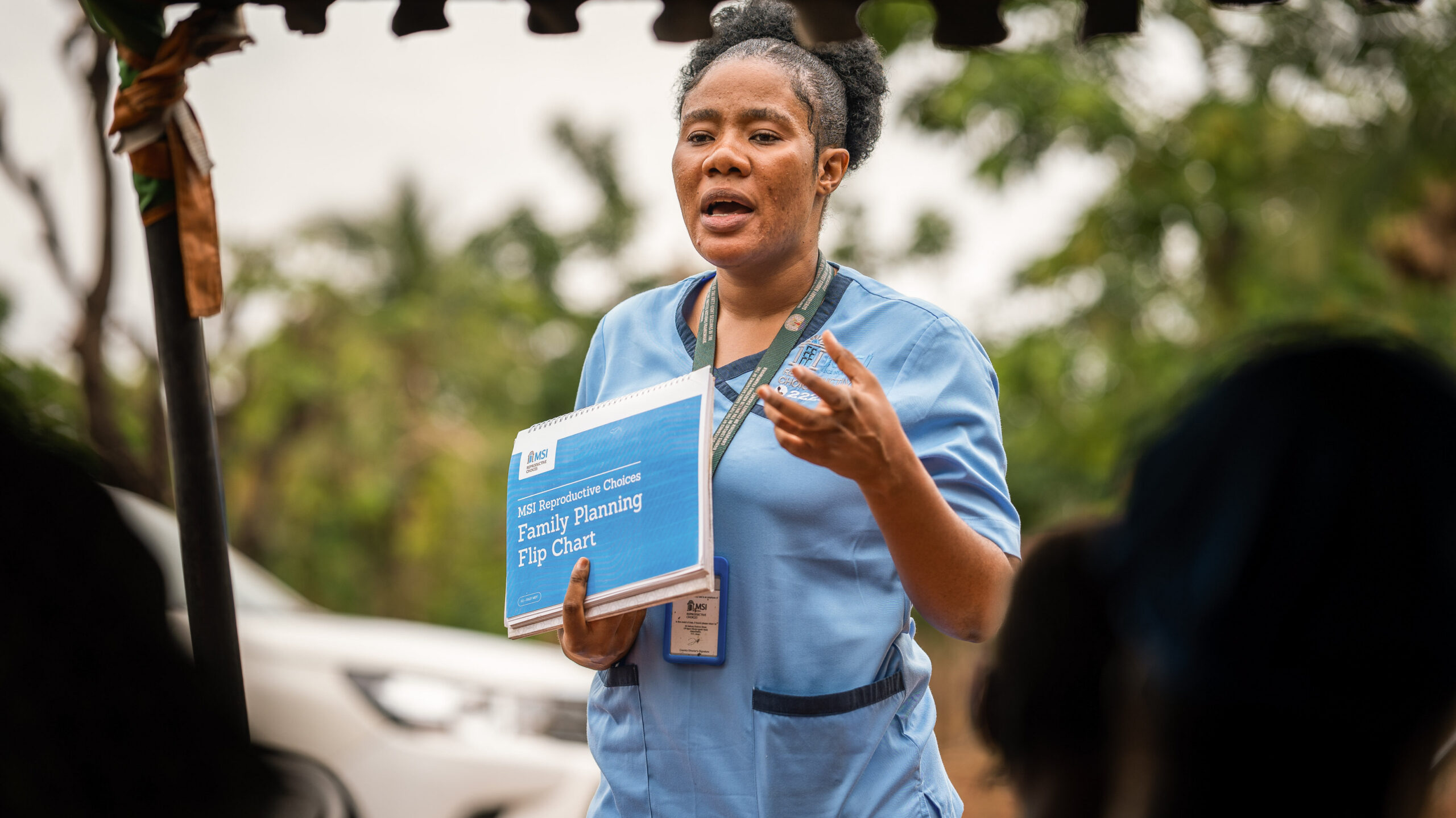
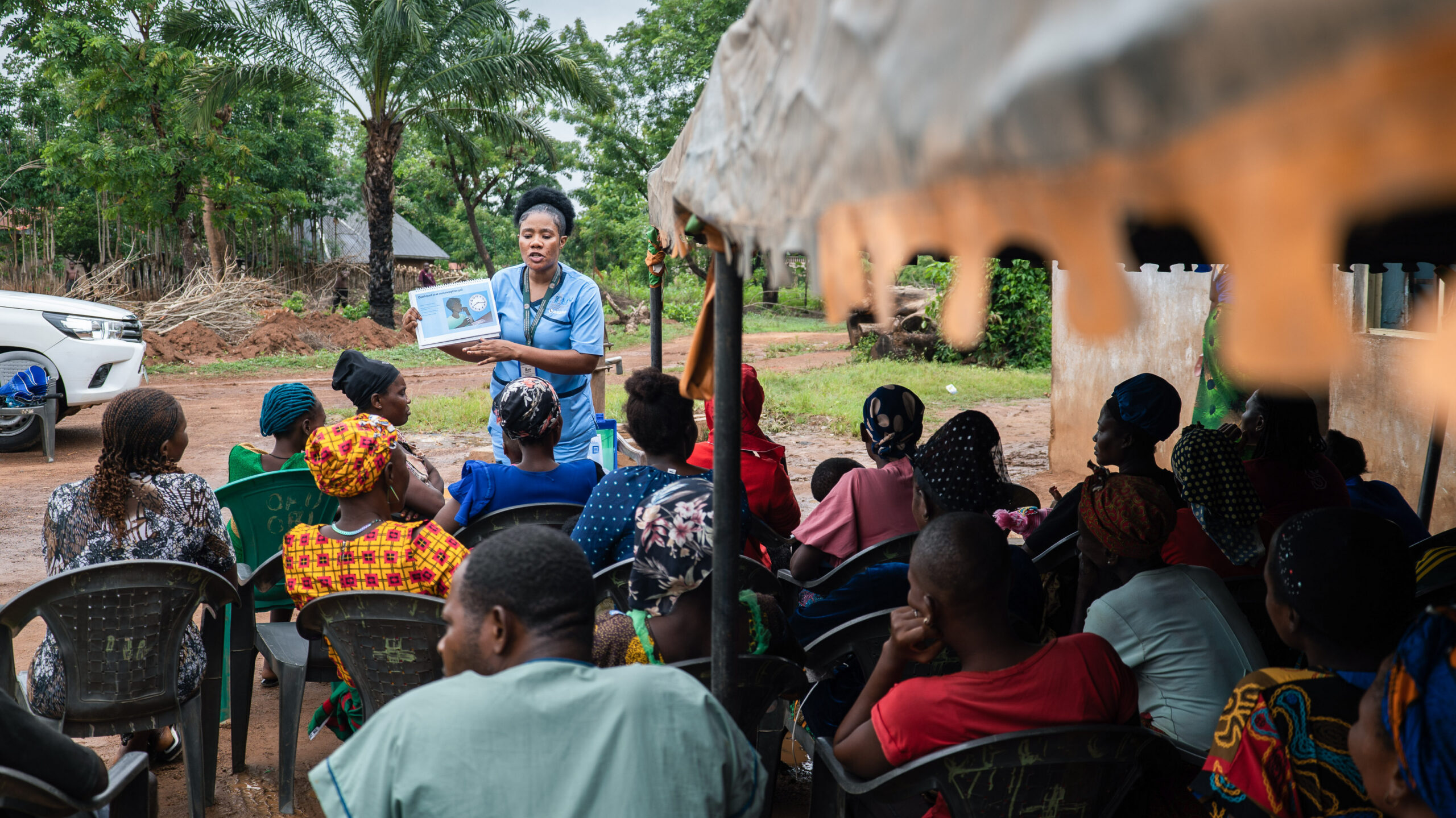
MSI’s outreach team in Ebonyi state, Nigeria
First, we build relationships & awareness
In rural communities, there remains a lack of awareness of reproductive healthcare and its benefits. Myths and misconceptions are common, including that contraceptive methods cause lifelong infertility. That’s why education and accurate information is the best starting point.
Our community mobilisers hold educational talks in the community to raise awareness of these services, ensuring everyone has the information they need about the reproductive health options available to them, and countering the myths they might have heard.
We work to build trust and relationships among community leaders and the local government, who are influential and can help improve this awareness.
Then, we deliver services
Our mobile health teams give communities notice of their upcoming visit. They travel in on a particular day and set up at a local healthcare facility or in a tent.
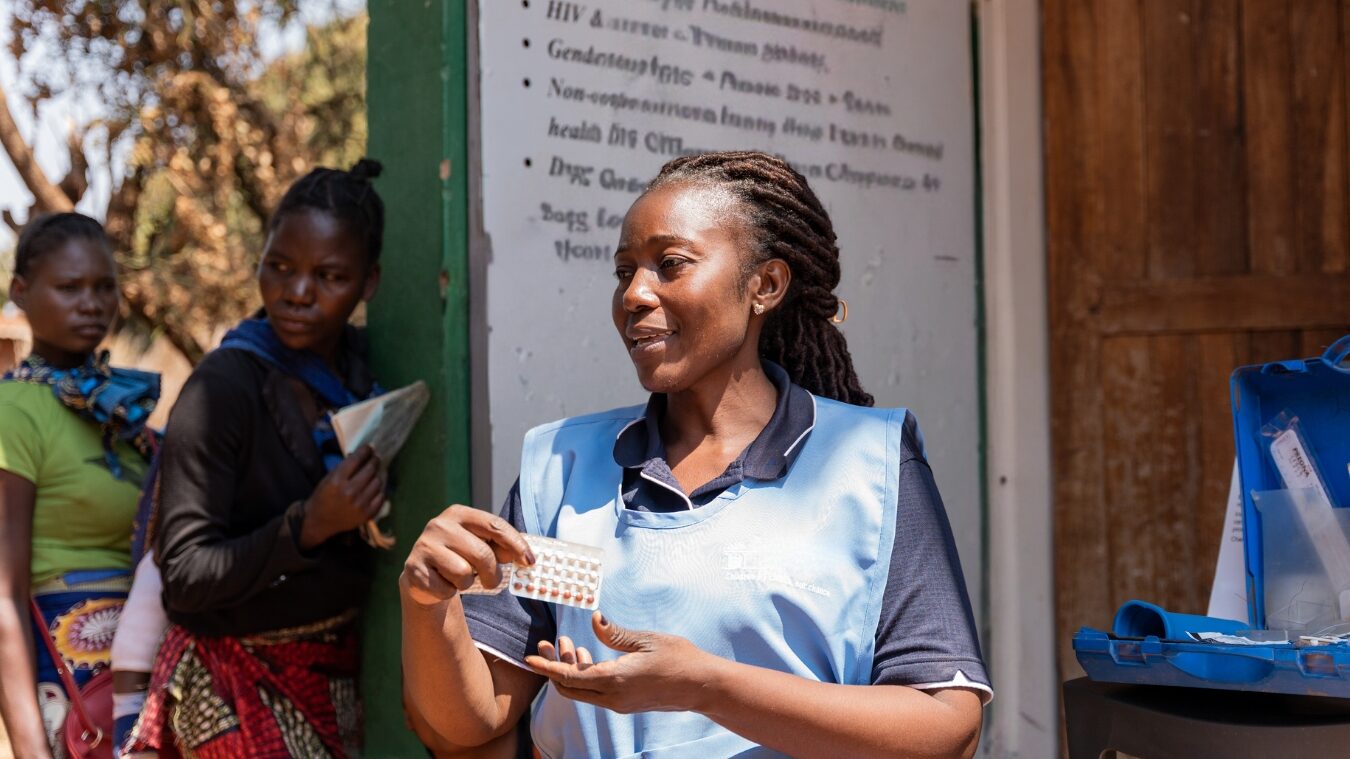
Women are often gathered in the hundreds to learn more or access services. The MSI team provide a range of contraceptive methods, with short-term or long-term options.
We revisit a community three or four times a year, giving our clients a chance to continue, swap or remove their contraceptive method as they see fit. If a client would like a method removed or changed outside of our team’s visits, we work with local leadership to ensure women can access alternative providers.
Quality & informed choice at the centre
MSI puts clinical quality and client safety at the heart of everything we do, ensuring that even in remote areas our clients are getting a high standard of care.
In an outreach location, our teams provide a group education session. Then each client has an individual appointment and counselling session with one of our health providers so they can discuss options, side effects and preferences, and any questions or concerns. They make their own informed choice about whether they want to access a service, and which method will best meet their needs.
“If MSI wasn’t here today offering free care, I don’t think a lot of us, including myself, would be able to access contraception. Because of the distance, and the money – we don’t have it. We’d end up having more children that we don’t want.”
Adadechei – MSI Nigeria client
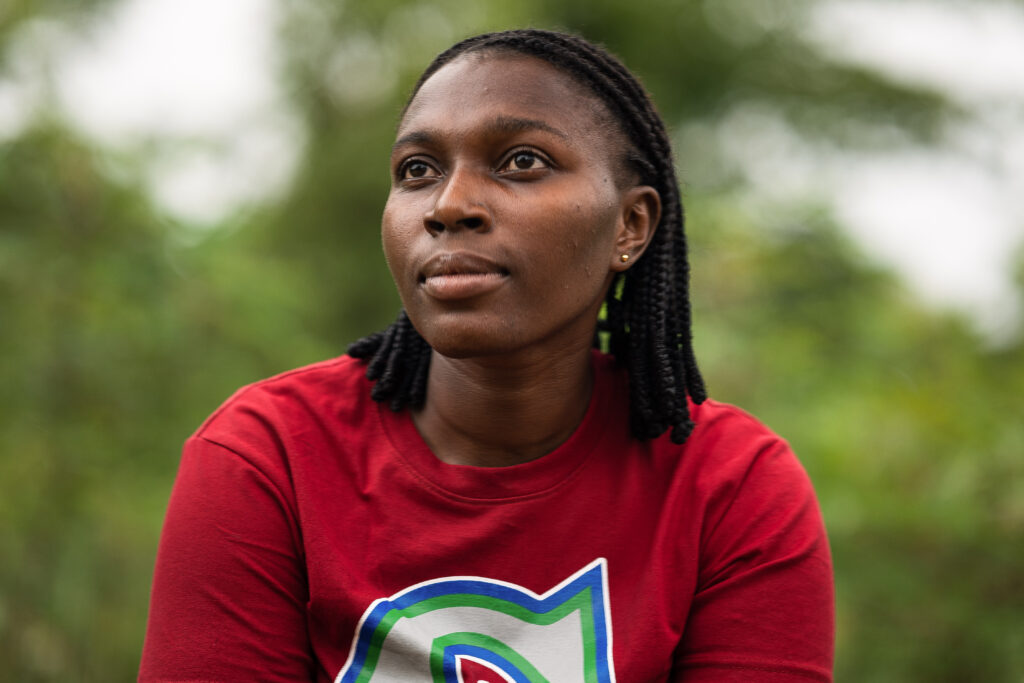
In our latest Client Exit Interview data, 99% of our clients reported being treated with respect and having their choices taken seriously.
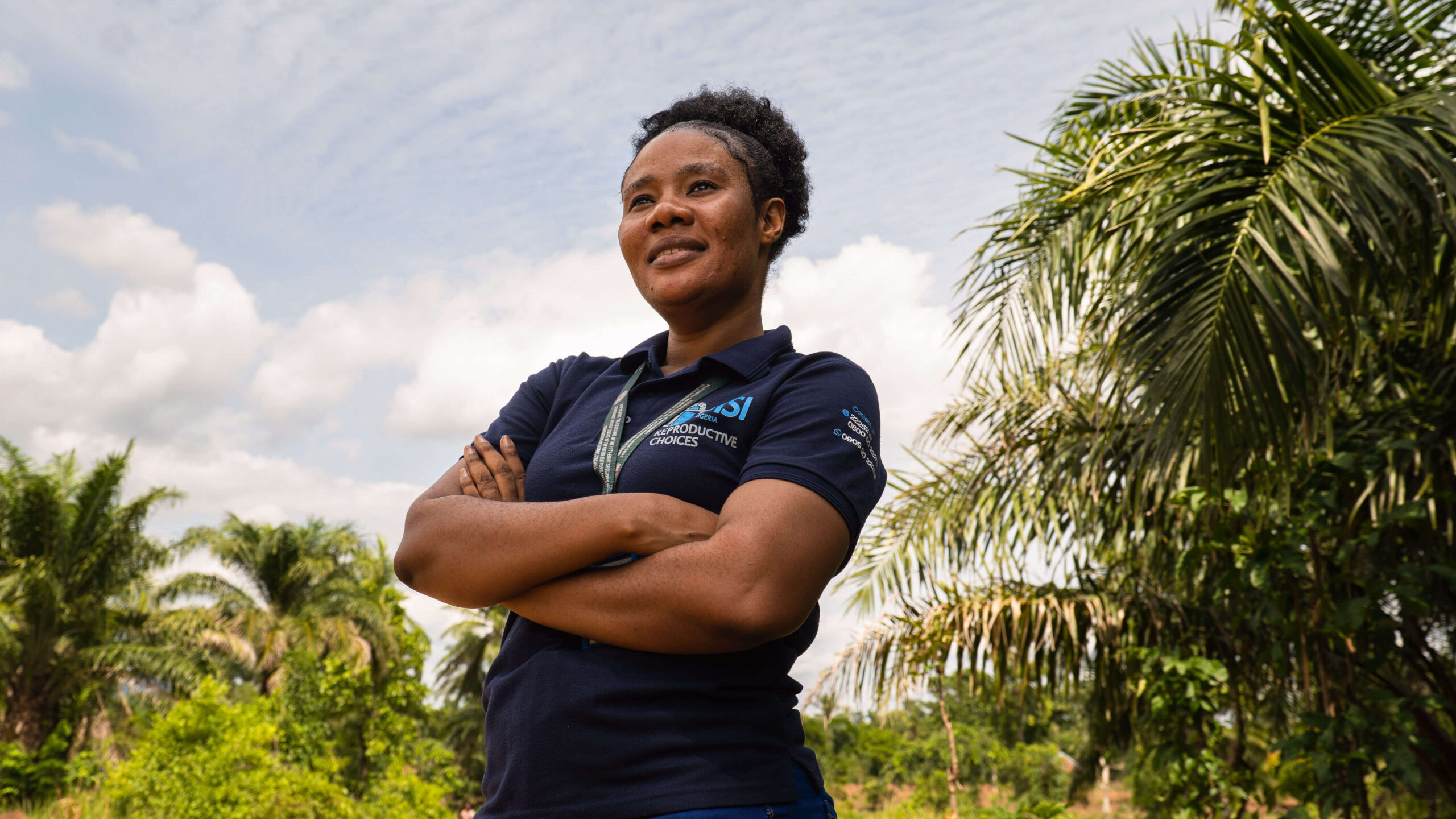
Feature story: Day in the life of an MSI outreach team in Nigeria
Read about the work of an MSI outreach team, and what these services mean to people in rural communities.
An evolving approach: Partnering with the government to split teams and reach more people
To increase efficiency, we started splitting our mobile health teams into two and working with government providers, so we could reach more communities in a single day.
In Zambia, where we first started our approach of pairing MSI staff with government providers, we saw a fivefold increase in the number of people our teams were reaching with this essential healthcare. We now have more health providers, robust government partnerships, and a far wider reach.
The data backed it up, so we’ve adopted this approach across our country programmes and have shared the benefits of this approach with the wider health sector.
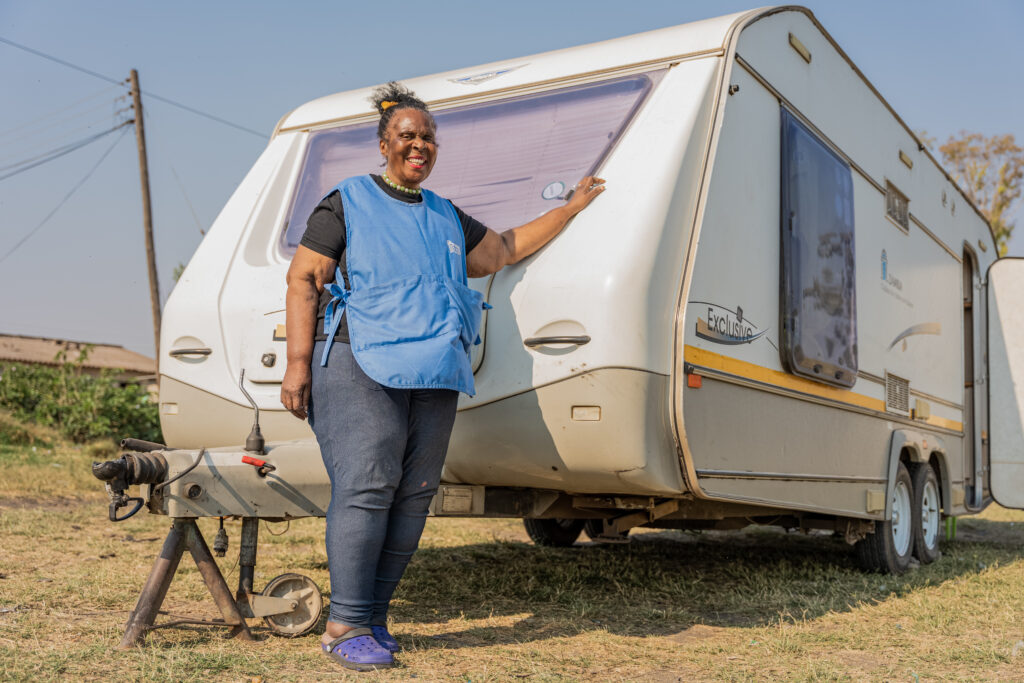
In the places with the greatest need, we’re helping women gain control over their fertility and futures. Join us.
Learn more
Read more about MSI’s priority to ‘leave no one behind’ – ensuring everyone has reproductive choices.
Cost-effective investment
Learn why MSI is a smart choice for high-impact, cost-effective philanthropy.
Donate now
Your donation today can help us reach more communities with reproductive healthcare.