

The ‘global gag rule’ is a US anti-abortion policy preventing organisations from receiving funding from the US government if they provide or promote abortion services.
Under the Trump administration, the global gag rule has been significantly expanded, causing widespread harm to reproductive healthcare globally. Read on to learn what this means and its impact.
What is the global gag rule?
The global gag rule prohibits organisations and other governments from receiving funding from the US government if they provide or promote abortion.
Even though US government money never funds abortion overseas, under this policy, organisations, UN partners, and other governments must agree they won’t participate in anything abortion-related, even with their own money. It even stops them referring people to receive life-saving information and services from abortion providers.
As of 2026, the global gag rule goes further to restrict any activities that promote LGBTQI+ rights and diversity, equity and inclusion (DEI).
The US has historically been the largest government donor worldwide, providing billions of funding each year to health and humanitarian causes around the globe. Before recent brutal aid cuts, thousands of organisations and millions of people had relied on US funding to provide and access essential healthcare.
Originally called the ‘Mexico City’ policy when it only applied to family planning funding, it has now been expanded by the Trump administration and named the ‘Promoting Human Flourishing in Foreign Assistance’ policy.
The global gag rule is a massive overreach of US power. It dictates what organisations can and cannot do internationally, and seeks to impose the Trump administration’s approaches on foreign governments. If an organisation or government doesn’t abide by these restrictions, they will lose all aid from the US.
How has the global gag rule been expanded under the Trump administration?
On 23 January 2026, the Trump administration announced a radical expansion of the global gag rule. Here are three major changes to foreign assistance:
- Expanded to include ‘gender ideology’ and DEI
While the policy was historically focused on abortion, it has now expanded to restrict what the Trump administration calls ‘gender ideology’ which is LGBTQI+ rights and identity, as well as any efforts to promote diversity, equity and inclusion (DEI).
- Expanded to apply to all aid programmes
Previously, the global gag rule applied only to health programmes. Now, it will apply to all aid (non-military programmes) which means humanitarian and development programmes such as food aid, education or water and sanitation, too. For example, humanitarian groups may not be allowed to support people with abortion information or services in warzones and natural disasters.
- Expanded to apply to US-based organisations and governments
It used to only apply to international NGOs, but now it will also restrict US-based organisations and other governments that have aid agreements with the US. For example, governments who receive US aid may be restricted in their ability to provide abortion care within their own public health system.
What is human flourishing?
The new expanded global gag rule policy is called Promoting Human Flourishing in Foreign Assistance. The Trump administration uses the term ‘human flourishing’ to describe their goals, which in reality are to entrench conservative values of what a family should look like, deny the existence of LGBTQI+ people, and restrict bodily autonomy.
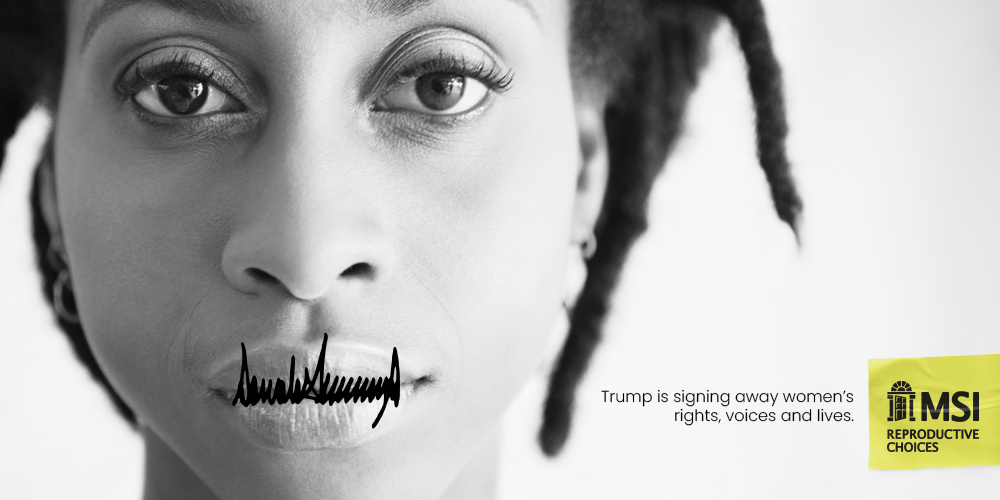
This is a massive expansion of the global gag rule and will impact people’s health, rights, and lives. It follows their Project 2025 plan to ban abortion in America and overseas, put a stop to DEI efforts, and erase LGBTQI+ rights.
MSI will continue to stand strong for sexual and reproductive health and rights, and work with governments, healthcare providers and donors to protect these essential services.
MSI has never and will never sign the global gag rule. We unapologetically provide abortion care wherever the law permits, and we advocate for abortion rights across the globe – we refuse to stop.
How does the global gag rule affect MSI’s programmes?
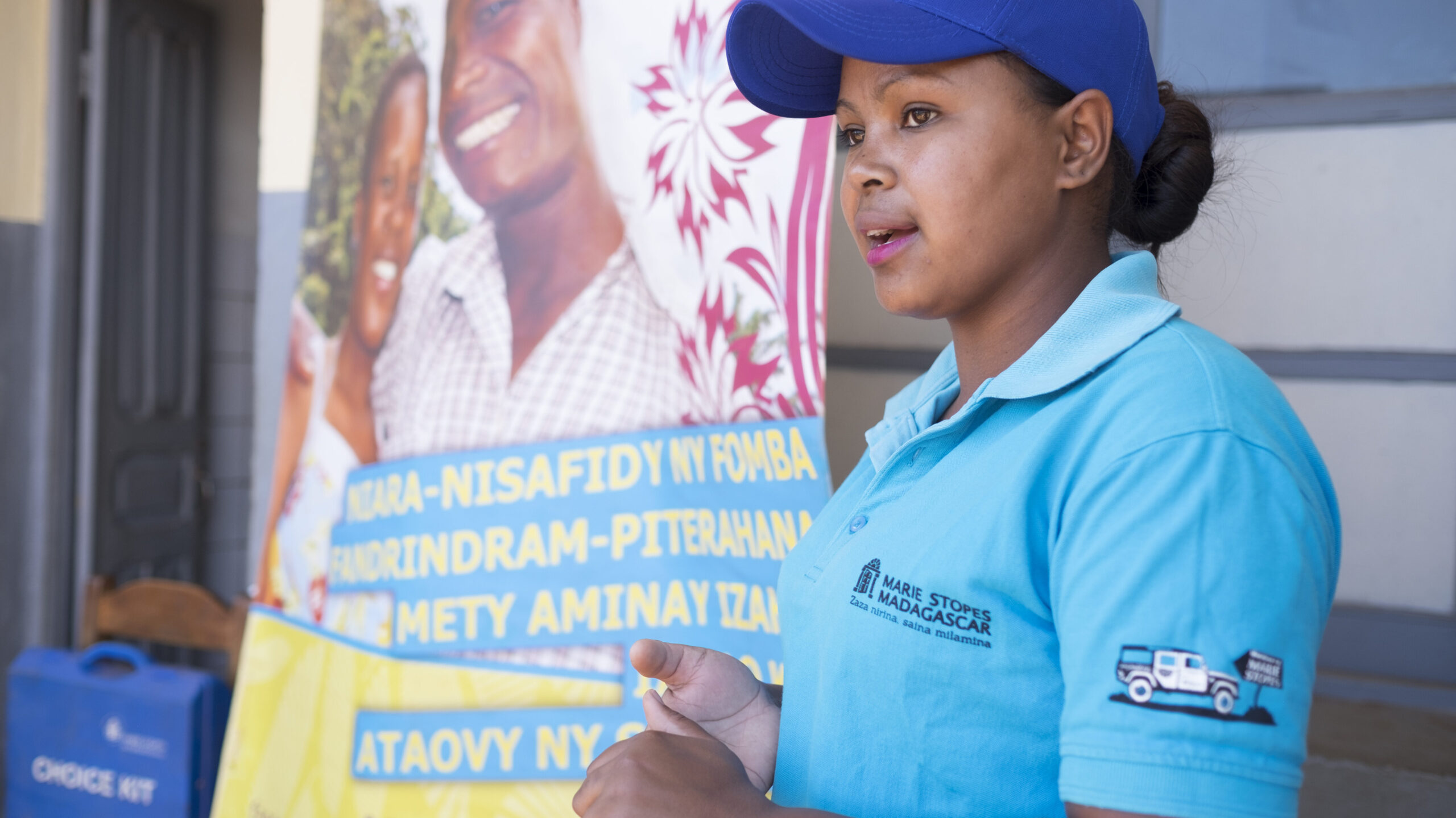
We are proud to provide abortion services and will not stop. This has meant that when Trump was in office the first time, MSI lost around $30 million a year. The impact on women and girls was devastating. Some of MSI’s services were forced to close in Uganda, Madagascar and Nepal, to name a few.
When Trump reinstated the global gag rule in January 2025 at the start of his second term, we lost $15 million. We estimated that 2.6 million women and girls would lose access to our sexual and reproductive health services globally without this funding – and we have been fundraising and working with our incredible donors to protect access to services wherever we can.
When the US cuts off their funding to reproductive healthcare, lives are lost and women’s future opportunities are stolen.
The Guttmacher Institute published a study, developed with insights from MSI programmes, revealing the gag rule disrupted critical health services in Uganda and Ethiopia. It stalled and reversed progress in reproductive health, with long-term harms to women’s and girls’ ability to make decisions about their own bodies and healthcare.
Why is it called the global gag rule?
It was originally known as the ‘Mexico City’ policy when it was introduced in 1984, then renamed in Trump’s first term as the ‘Protecting Life in Global Health Assistance’ policy, and renamed again in Trump’s second term as the ‘Promoting Human Flourishing in Foreign Assistance’ policy.
But throughout all of these iterations, it’s been known as the ‘global gag rule’ because it has a silencing effect. It has created confusion, reinforced negative attitudes, suppressed healthcare information, and buried important conversations around health and gender.
Some organisations have been scared to refer women to abortion services, even in cases of rape, incest, or to save a woman’s life (the policy permits abortion under these circumstances), and some NGOs have ceased their advocacy work altogether, in case they lose their funding.
When was the global gag rule implemented?
The global gag rule was first implemented on January 22, 1984, under President Ronald Reagan in Mexico City. Since then, it’s been enforced by every Republican president and repealed by every Democratic one.
It was most recently implemented in January 2025, when Trump became US President for the second time.
This constant cycle has caused real harm, as each reinstatement cuts critical funding and disrupts life-saving abortion services for women and girls worldwide.
For decades, the policy has threatened reproductive rights, creating fear and confusion, especially in communities where access to essential healthcare is already fragile.
Why was the global gag rule implemented?
The global gag rule was implemented in an attempt to control people’s bodies and choices, and limit access to essential reproductive healthcare. Despite overwhelming evidence that restricting abortion doesn’t stop them from taking place – it only forces women to turn to unsafe options – this policy was designed to block funding to organisations that offer a full range of reproductive healthcare.
The global gag rule is a reminder that the fight for reproductive freedom is far from over and that policies like these disproportionately harm women, particularly in marginalised communities.
MSI will continue to fight for and provide abortion care across the world. Join our fight to protect our reproductive rights.
Learn more and support the fight back:
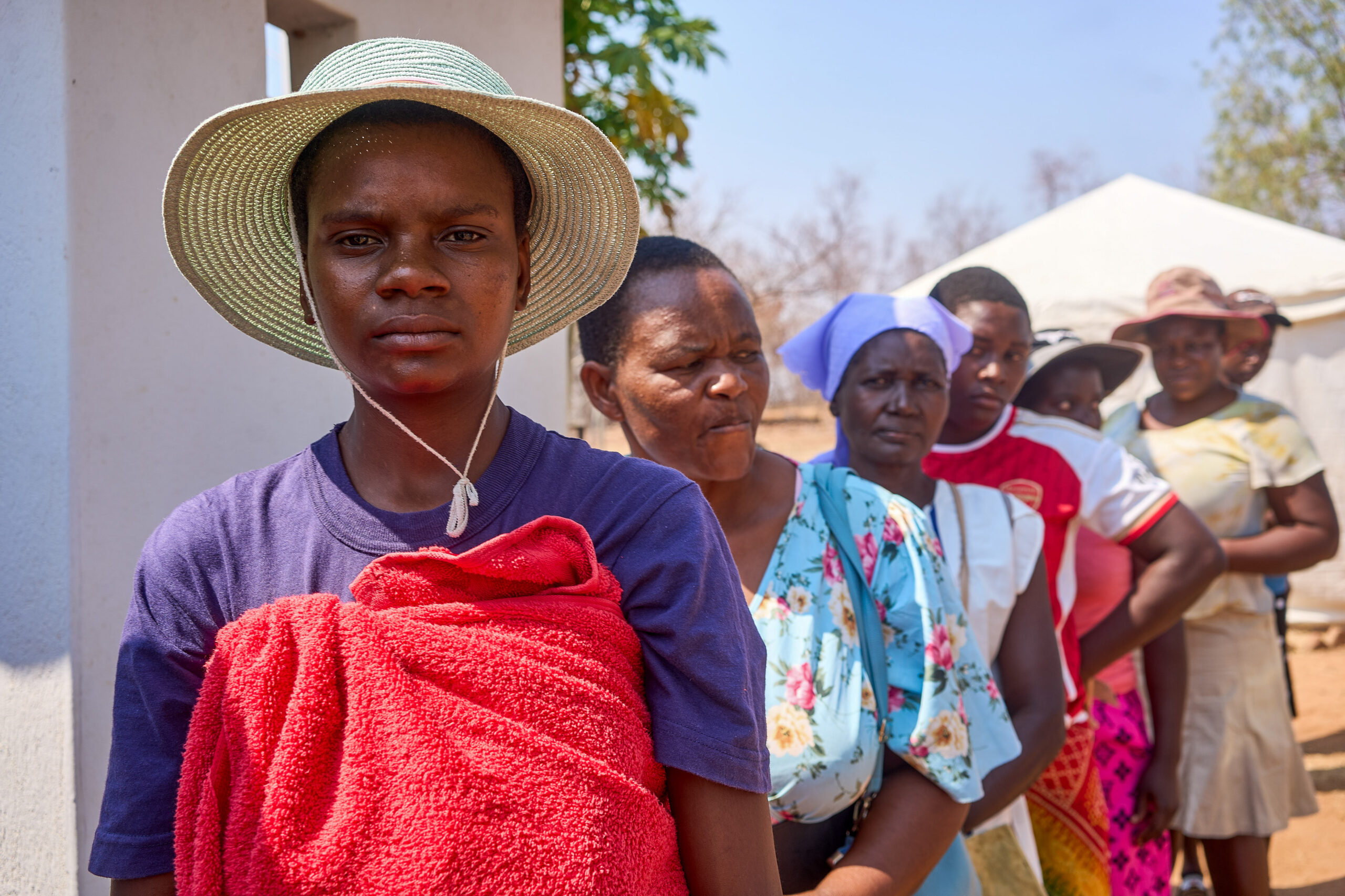
US attacks on global rights
Learn about the ways we’ve seen the US influencing and attacking reproductive rights globally.
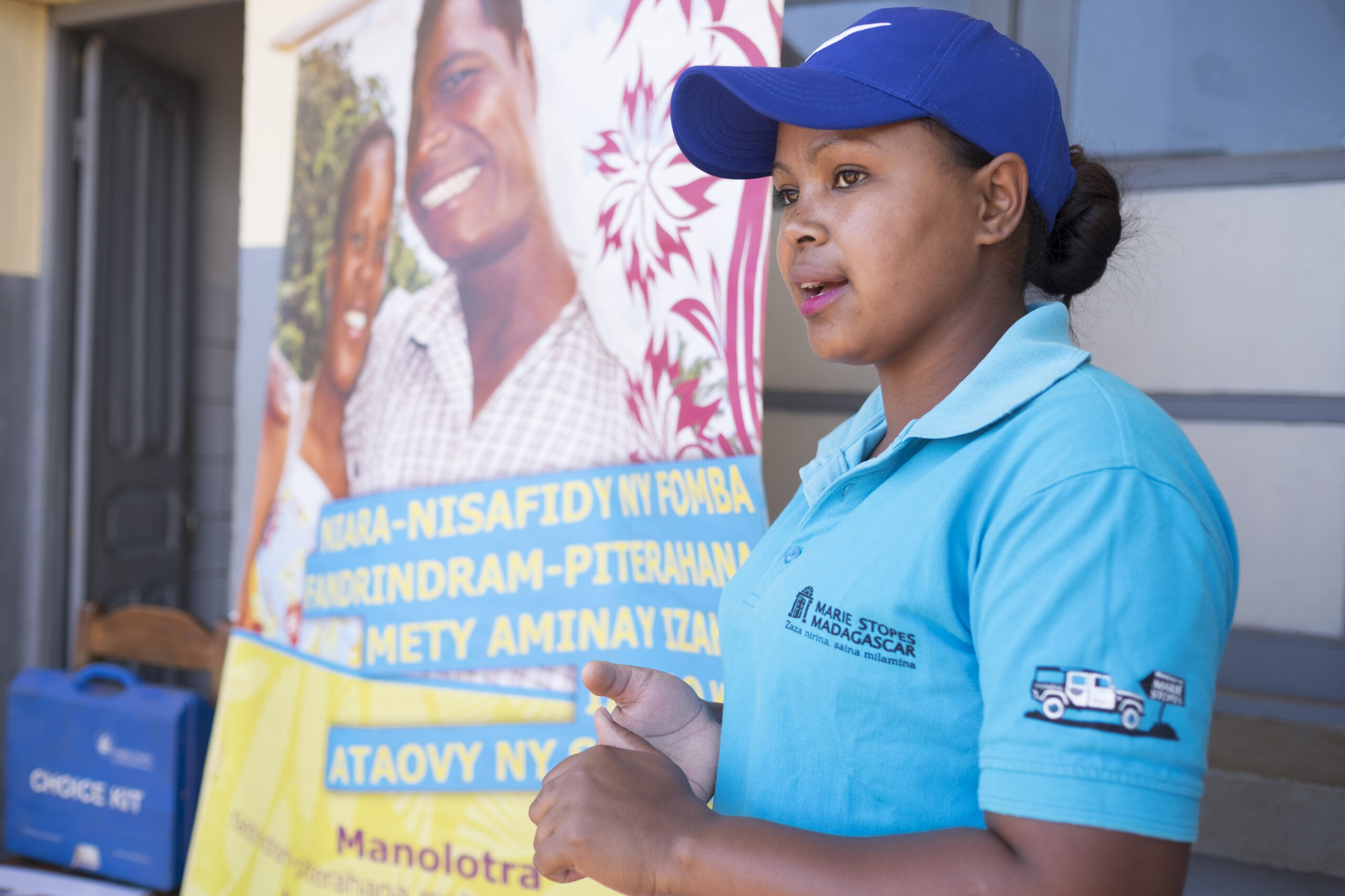
Brief: Impact of the gag rule
Learn more about how the global gag rule has impacted frontline reproductive healthcare.
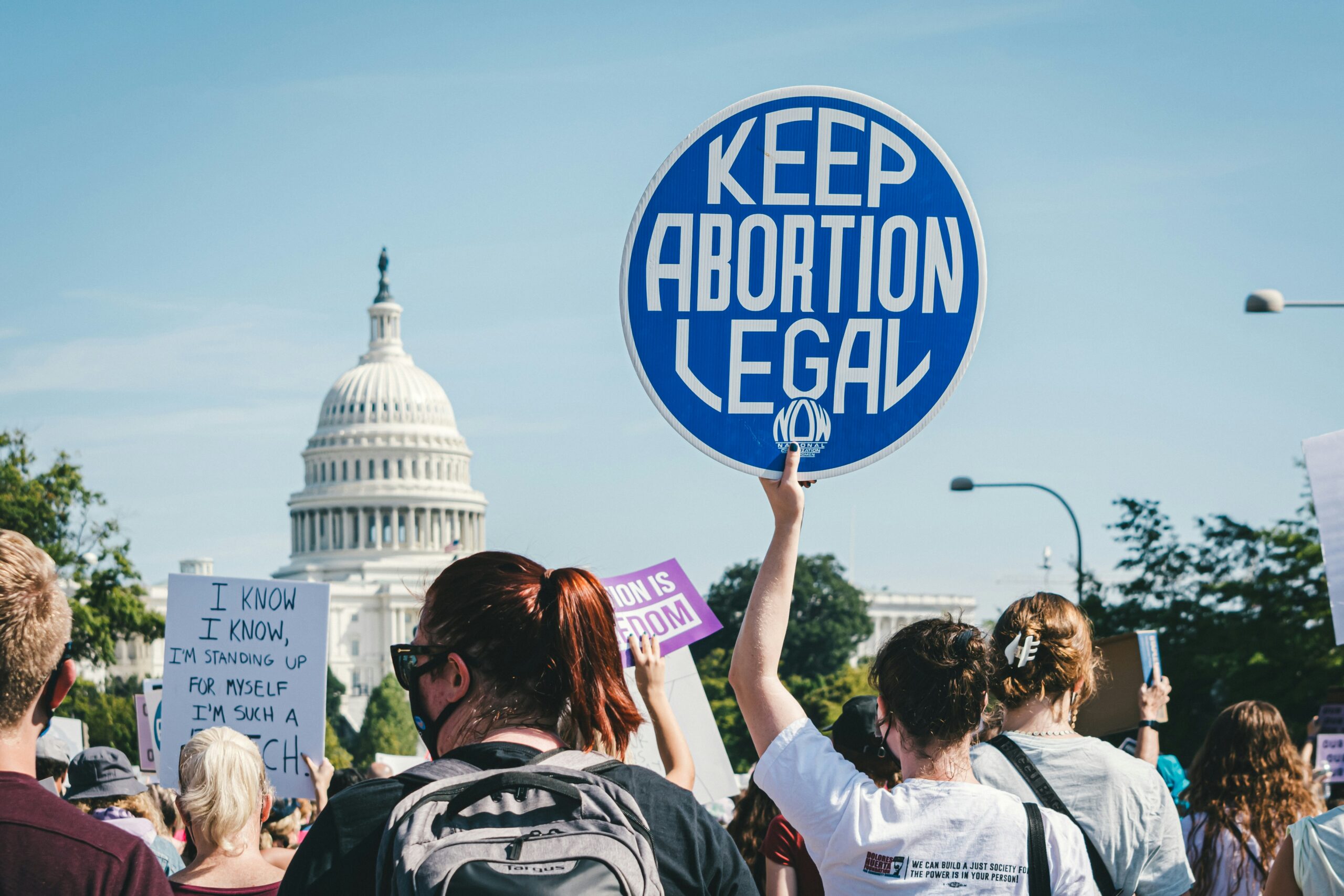
The impact of Roe v Wade
Read more about the overturning of Roe v Wade, and its impact on the world.