

This article was published in 2024, and updated in November 2025 with new developments.
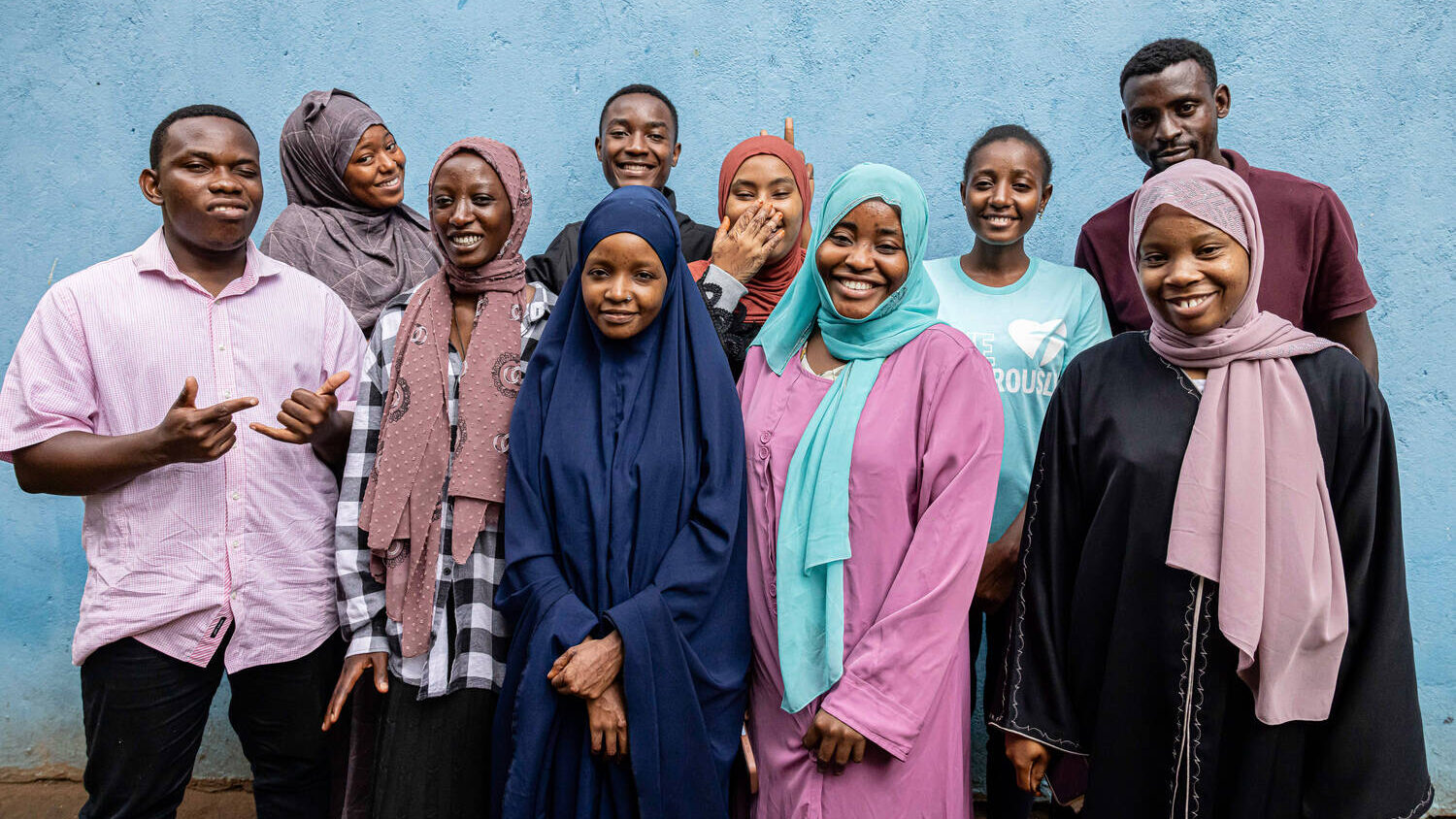
For a dose of inspiration during the 16 Days of Activism Against Gender-based Violence, learn how these young people championed the rights of survivors.
When it comes to tackling sexual and gender-based violence, Kenya’s local governments pass their own laws. Kwale County is one local area taking action, with its young people stepping up to lead the way.
In Kwale County, incidence of physical violence is at 13% and sexual violence is at 4%, and these figures only represent reported cases. Violence against women and girls is all too normalised, and the impact on their lives runs deep.
Change is needed, and Kenya’s young people are determined to change the status quo. MSI has partnered with DSW Kenya through the Youth for Health project to give the young people of Kwale a platform through which they can advocate for themselves and their community. All together, we are united in the fight for stronger protection, better support services, and access to justice for survivors.
With these youth champions stepping up to advocate for their own sexual and reproductive rights, they’ve played a pivotal role in the enactment of the new Kwale County Sexual and Gender-based Violence Prevention and Protection Act.
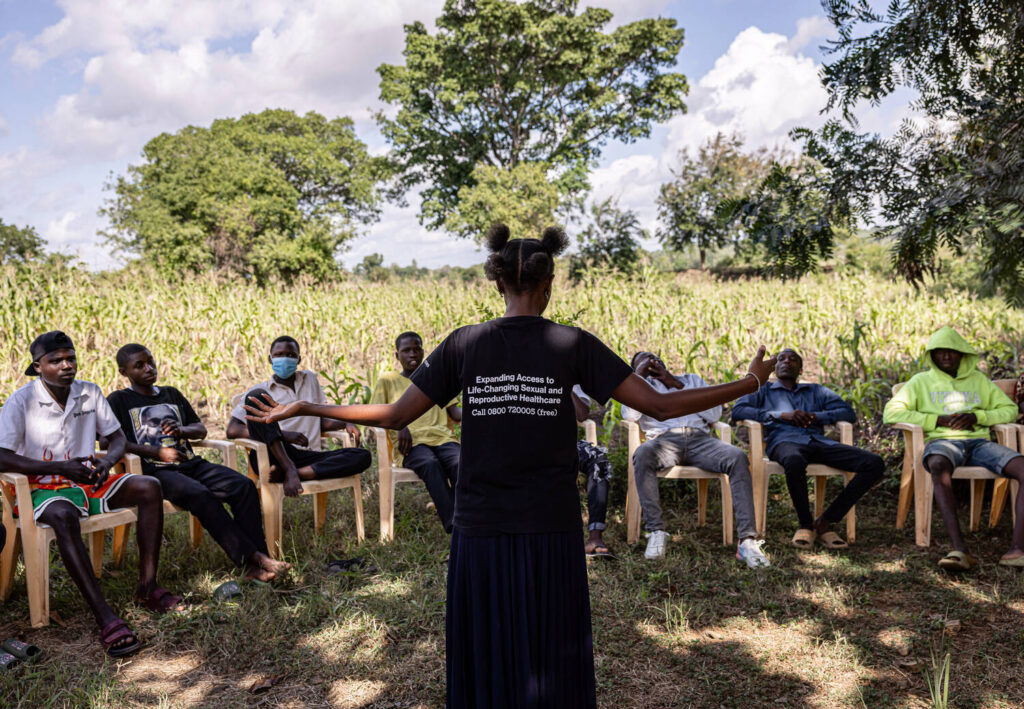
Youth champions holding the government to account
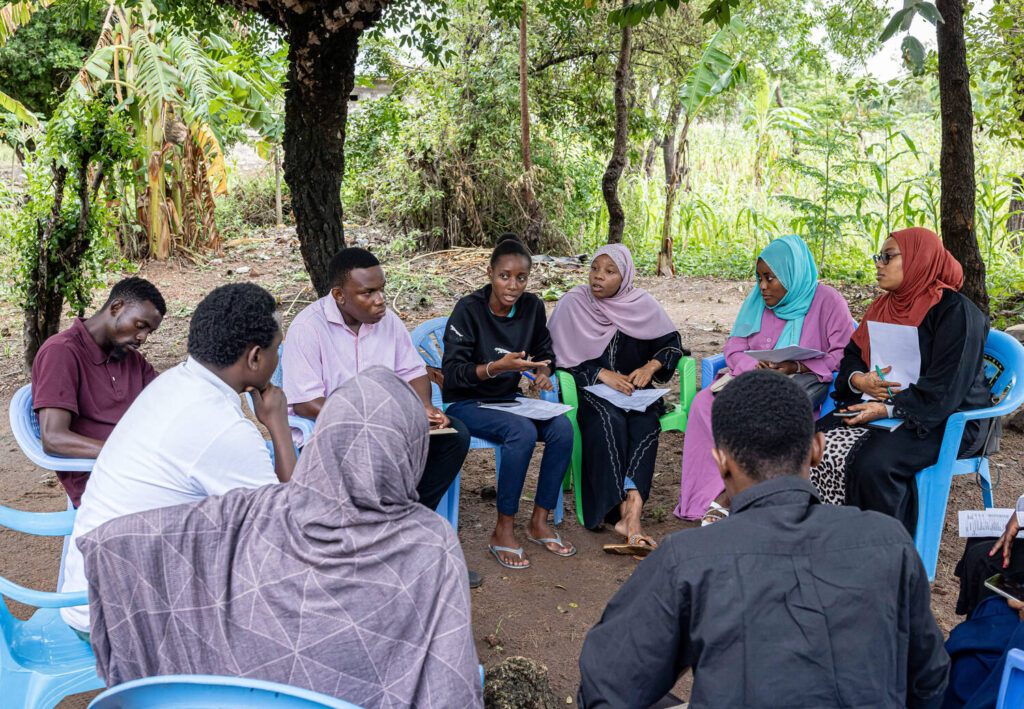
Our Youth for Health partner, DSW Kenya, trained 15 youth champions from Kwale County. These young people learned and improved their advocacy skills, policy analysis, decision-making, communication, and other skills to help them influence government and policy. After the training, they started educating other community members, and raising awareness about the Act.
Norah, one of the youth champions, explained why she felt her role was so important:
“Kwale has had all these issues, such as young women dropping out of school due to early pregnancies, not participating in any form of leadership, and being confined to their homes with no one to advocate for them.”
To advocate for themselves and their peers, the youth champions went to public forums and used their newly gained skills to engage with policymakers. Government officials who were also involved told us that the Act would not have been passed if not for the advocacy of these young people.
Ngome Mwamtenda, from the Department of Social Services and Gender in Kwale said:
“Before, we were relying on the legal framework from the national government but due to the outcry of youth this year, we took steps to implement our own laws at the county level. The future is bright.”
Hon. Rachael Katumbi, of the Kwale County Assembly, added:
“They really encourage me because they keep you on your toes to work harder, and to push for these things to happen. They know what they want and they are really going for it.”
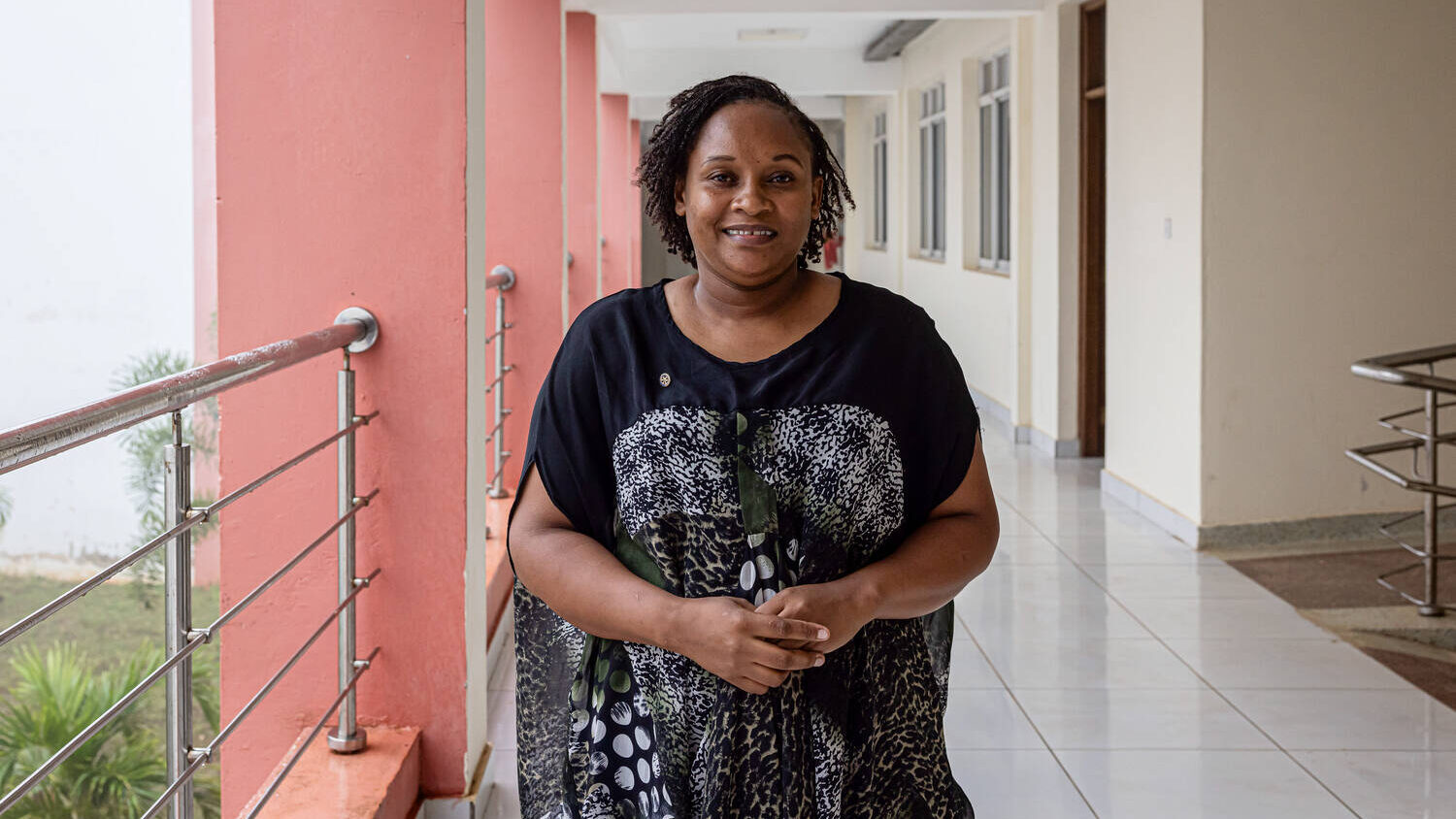
Youth champions change lives in Kwale County
The implementation of this new Act will help protect survivors of sexual and gender-based violence with new policies, as well as ‘rescue and recovery’ centres.
It means survivors will finally have greater access to the medical, security, legal, and psychological services that they need and deserve.
The involvement of the community’s young people will have a great impact in the future, as another youth champion, Gladys, made clear:
“We say nothing for us, without us. This has given me a role as a leader.”
We will continue to work with the youth champions to ensure the Act is implemented, ensuring they have a seat at the table.
Young people know what they want, what they have a right to, and once they are given the space to advocate for it, they fight for a better future for us all.
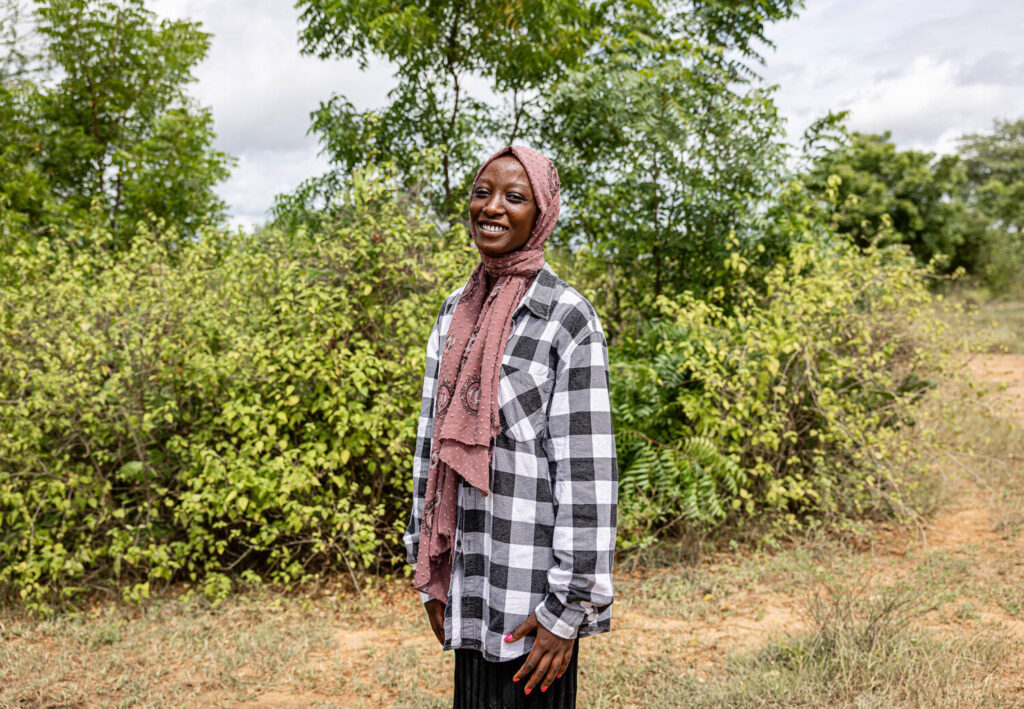
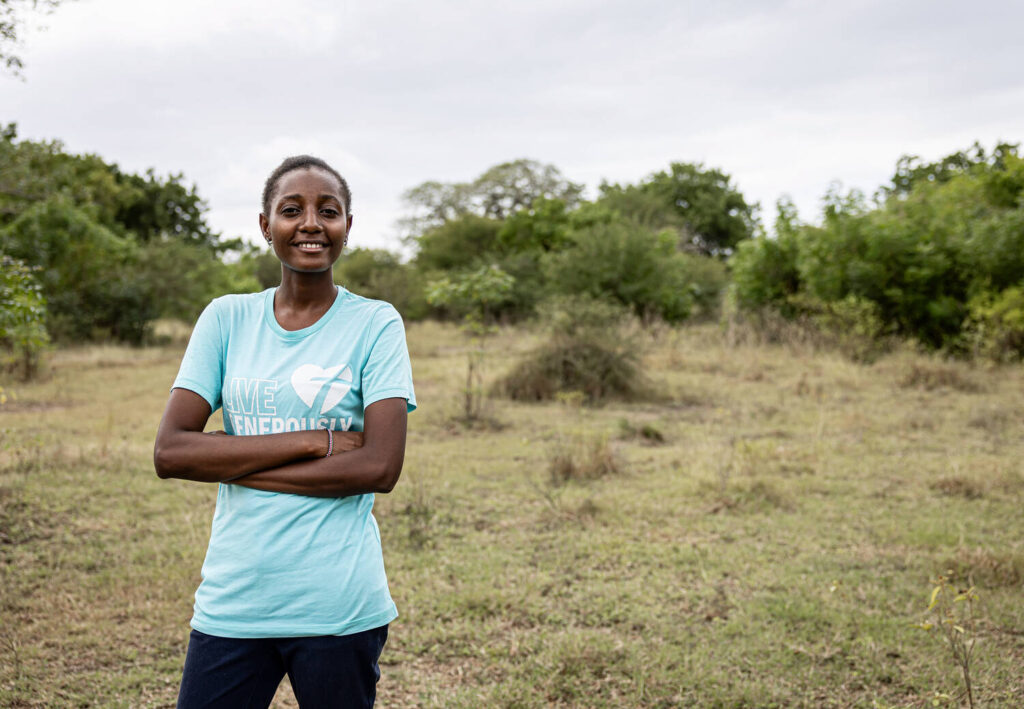
Hear directly from youth champion Gladys in this short video:
One year on: Changes continue to build for survivors in Kwale County, Kenya
Thanks to the passion and persistence of the Youth for Health project’s young champions, a law that creates stronger protections and support for survivors of sexual and gender-based violence became a reality.
One year later, meaningful changes are rippling out, helping women and girls in this region.
While efforts to fully implement the law are still underway, the past year has brought significant progress. Community awareness of the new law has grown remarkably. Women and girls in Kwale County now know where to seek help and what steps to follow when reporting violence, creating a stronger sense of safety and inspiring survivors to speak up.
A recent survey conducted by Youth for a Sustainable World (formerly DSW) showed that 72% of the community are aware of existing laws and policies addressing gender-based violence. Among those who know survivors, 63% said support services were accessed by those survivors.
Official implementation guidelines – now on the brink of being launched – will soon enable more resources, such as recovery centres that offer medical care, legal support, psychosocial services, and pathways to justice. Plans also include creating safe houses for individuals who cannot immediately return home after experiencing violence.
These guidelines “will ensure policy makers and stakeholders are held accountable in delivering the services, especially for vulnerable girls and young women in Kwale county,” says Tatu Mjaka, YSW Project Officer.
Another policy in the works is the Kwale Gender and Social Inclusion Policy which will provide a framework for promoting gender equality and inclusion. Once passed, young people in the community will play a critical role in creating awareness of it.
It’s clear that the foundation laid by the young people in this community continues to drive a safer and more inclusive future.
Kwale is moving steadily toward a reality where survivors can receive the care they deserve – and youth have been at the heart of this lasting change.