

USAID cuts & the ‘stop-work’ order: The impact we’ve seen on frontline reproductive healthcare
The US was previously the world’s largest funder of family planning and global health programmes. In January 2025, as Donald Trump once again became the President of the United States and formed a new administration, that all changed.
They issued a ‘stop work’ order on global health and development programmes, then dismantled USAID and slashed $9 billion in funding.
The sudden cuts have had profound impacts – leaving millions without healthcare. Our frontline teams have witnessed the ensuing chaos, confusion and harm across communities worldwide.
Many of our partner organisations have been forced to close. Supply chains are collapsing. People were stripped of essential healthcare and their reproductive choices, even as demand was higher than ever and continues to grow.
$9 billion
of US aid funding slashed
31
MSI country programmes report a significant impact on their national health system and access to healthcare
A snapshot from three African countries – real impacts on communities
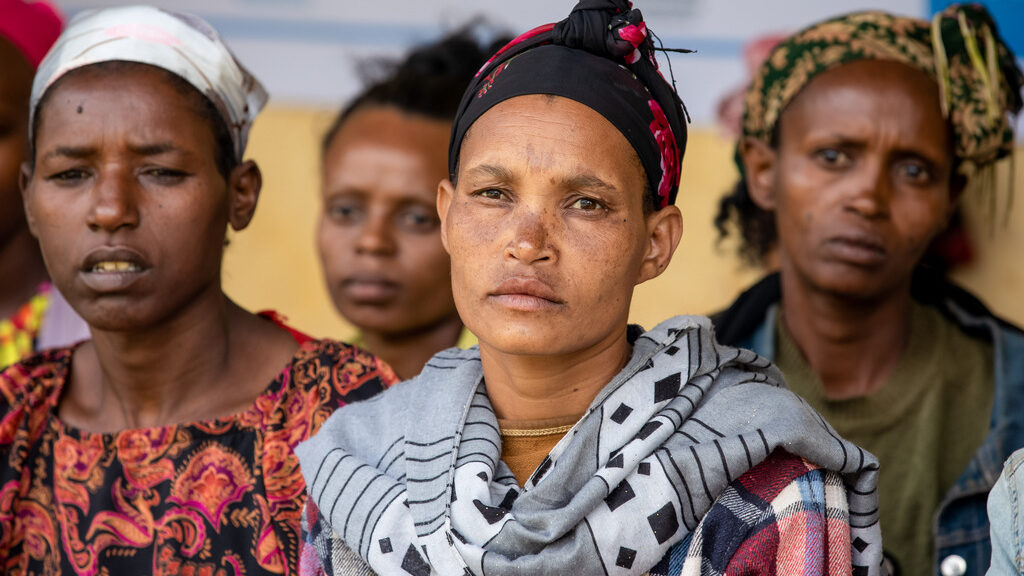
Ethiopia: Humanitarian neglect
“Ethiopia used to receive the most US assistance in sub-Saharan Africa. MSI used our funding to deliver reproductive health services in areas affected by conflict, where people are dealing with unimaginable violence, war and the loss of their homes. But without funding, we have not been able to continue these services.
Healthcare providers including MSI have been forced to scale back services for young people and remote communities. People are finding their local clinics are closed or operating at reduced hours. Survivors of sexual violence and HIV-positive women can’t access reproductive health and mental health services.
Many people have been affected by these cuts, and we’re doing everything in our power to reach them with the reproductive healthcare they need.”
– Dr Abebe Shibru, MSI Ethiopia country director
Zimbabwe: A quiet erasure of reproductive care
“Our teams travel into remote communities where people have limited healthcare, to offer free contraception and hope. In 2023, USAID awarded us $9 million to deliver this life-changing work.
When the Trump administration came in, the speed at which this programme ended meant that we weren’t able to give communities and clients any warning. Vehicles were confiscated and staff contracts ended. Services stopped.
In communities where women had to negotiate with partners to access contraception, many have felt betrayed by the sudden cessation of care, undermining the trust that our teams have built over years.
Despite our best efforts and until we can mobilise more funding, people in our rural communities who want contraception are being left behind.”
– Pester Siraha, country director of MSI’s Zimbabwe programme
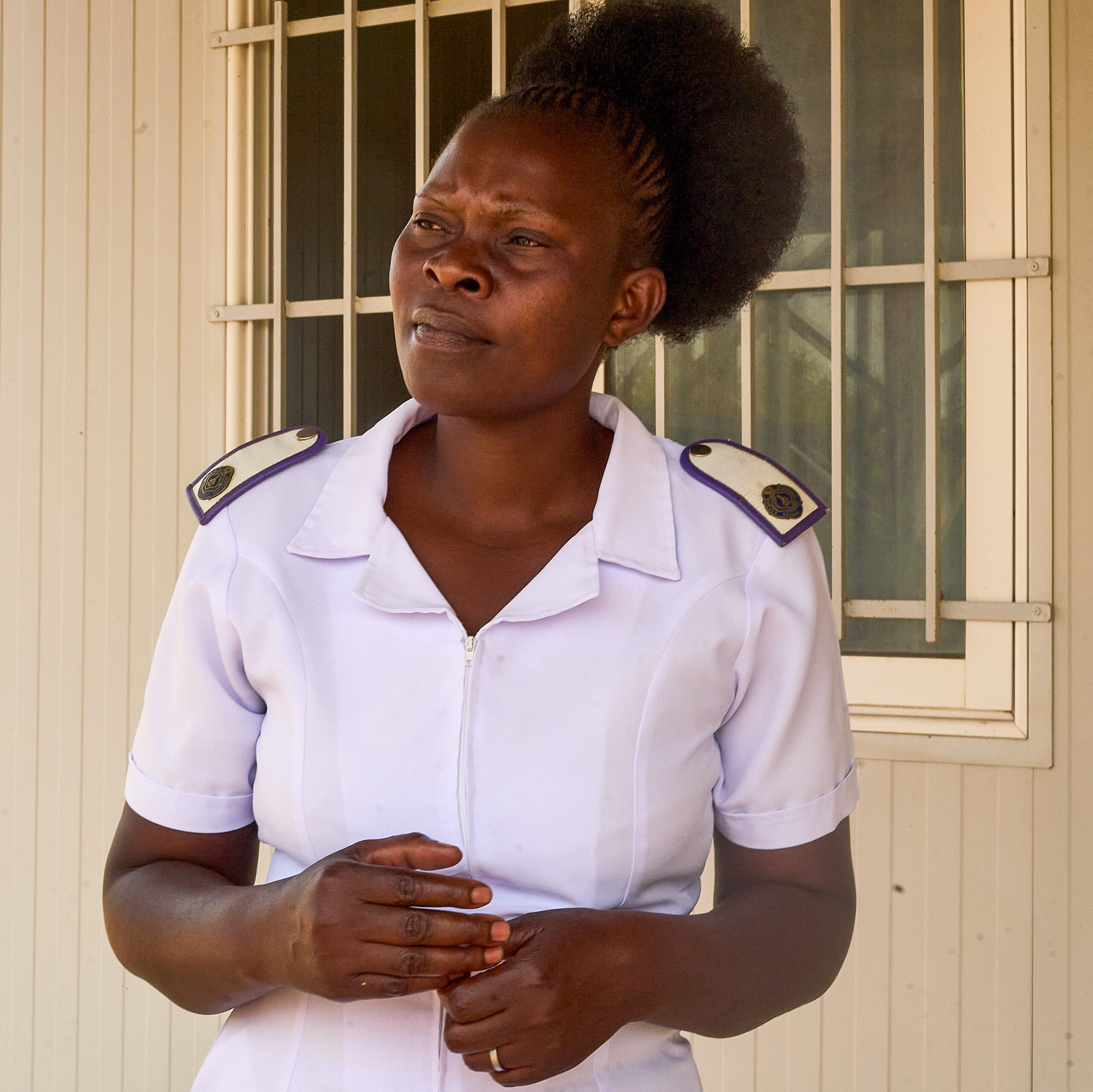
Kenya: Contraceptives in short supply
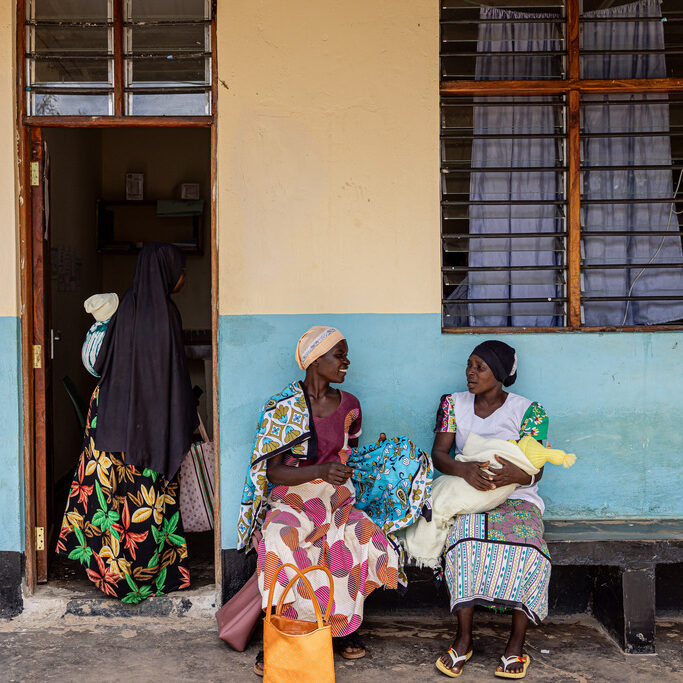
“The Trump administration’s decision to revoke aid has resulted in Kenyan health workers contracts being terminated, supplies going out of stock, and services being reduced.
A particular challenge has been keeping family planning supply chains running so stocks of contraceptives are available. Current supplies will last less than five months – well below the required 16-month minimum.
Meanwhile, Kenya was one of the countries earmarked to receive some of the $10 million worth of USAID-procured contraceptives that, in another ruthless decision, are stranded in Belgium, intended to be destroyed instead of distributed.
Funding cuts are not just about bottom lines – they are depleting hope and healthcare in our communities. MSI and our local partners are meeting this moment with resilience and finding ways to protect access to supplies and services.”
– Dr Walter Obita, MSI Kenya country director
An urgent, unprecedented need to protect reproductive health and rights
In response to USAID being dismantled, we’ve seen governments take urgent action to increase health budgets, restructure and try to build capacity and resilience. But due to the abrupt nature of the stop work order and funding cuts, the gaps are being felt every day by people who cannot access the healthcare they need.
By 2030, there’s an expected loss of up to 100 million users of contraception across 41 countries.
That means more families in poverty, more women driven towards unsafe abortions, and more women losing their lives.
At the same time, anti-abortion groups have been emboldened by having vocally anti-choice politicians in the White House. It’s clear that decisions made in the US have a global impact.
As we rebuild a more resilient system, our short-term efforts are focused on meeting the increasing demand for contraception and abortion. Thousands of healthcare providers on the frontline are working hard to give people the reproductive care they want.
One year on, the true impact is yet to be realised. MSI will continue to monitor and report the effects that we’re seeing, but it will likely be felt for a generation – unless we act now.
Action: How to protect reproductive rights after USAID cuts
This is a critical moment for people to step forward and protect sexual and reproductive health and rights – as so many powerful parties try to erase them.
Our commitment to choice is unwavering day in and day out, and we’re holding the line for reproductive health and rights wherever we can. With your support, we can continue to help women access the care they want and take control of their own futures.
Join us with a gift to the Choice Emergency Fund.