-

Global voices: A Pacific Islander’s mission to bring contraception to women who’ve never had it
Norefa is a nurse in an outreach team based in the Morobe province of Papua New Guinea, travelling to remote areas to provide life-changing contraception. He describes what a month in his life looks like.
-
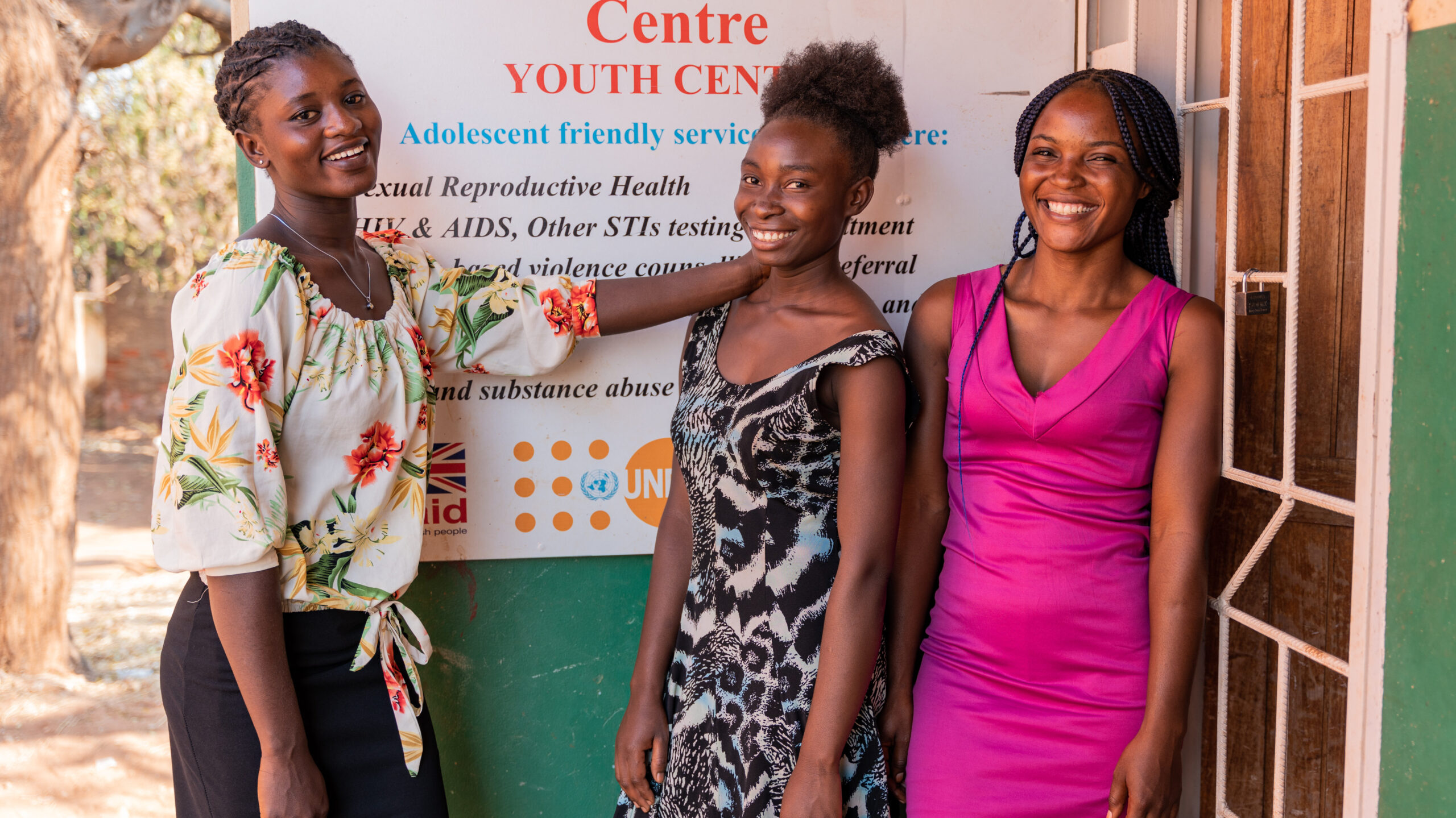
Menstruation & Contraception: Why MSI talks about menstrual health
Understanding menstrual health is central to women being empowered around their reproductive health and choices.
-
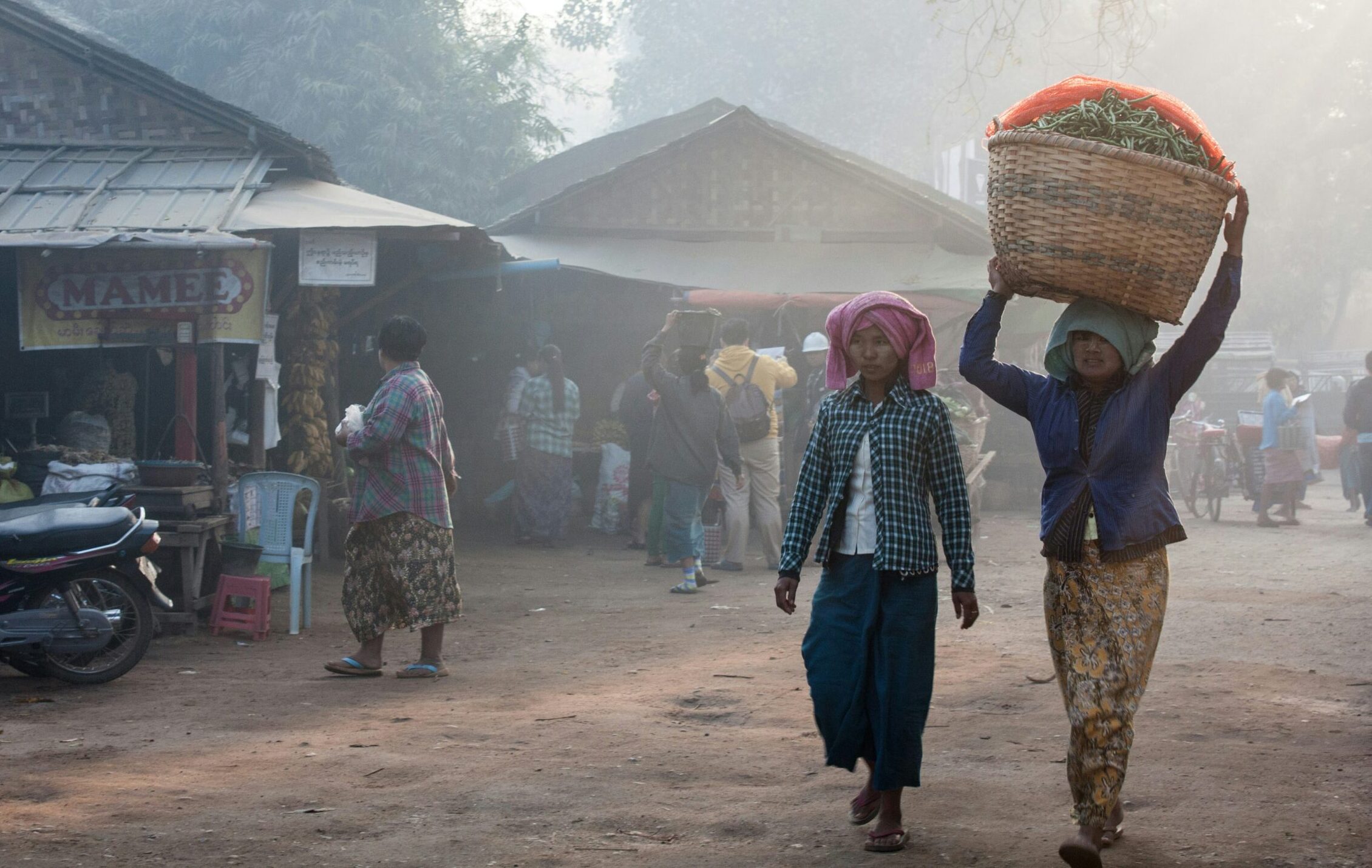
Myanmar: Delivering health and choice when needed most
In times of crisis, women and girls face higher risks of sexual violence and displacement. Their need for reproductive healthcare increases, just as services fall.
-
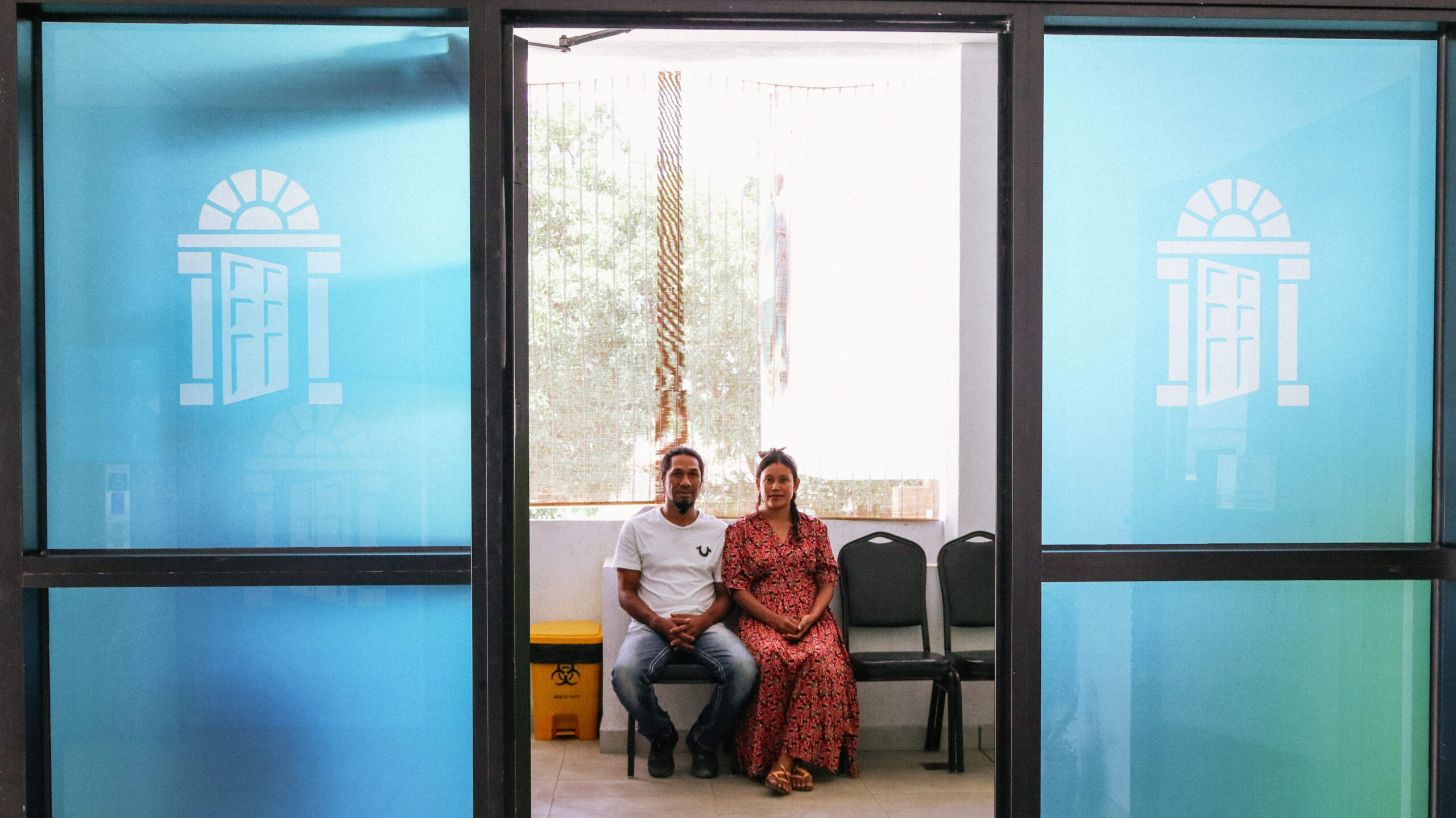
Creating healthy families: Mothers share their stories
Hear from women on how contraception is building healthy families and hopeful futures.
-
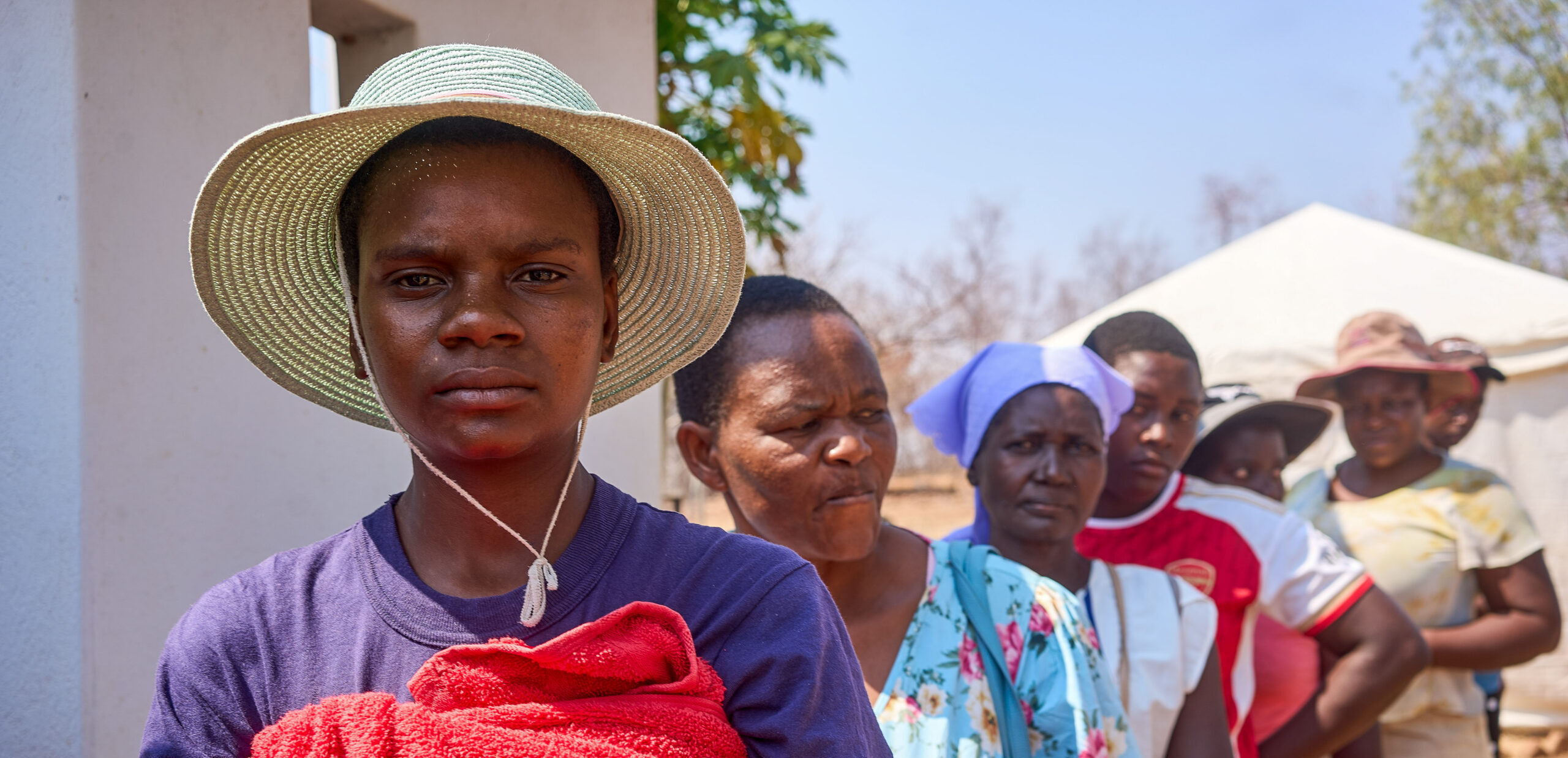
How Trump’s USAID cuts endanger global reproductive rights
Trump’s USAID cuts threaten reproductive rights. Learn how MSI is protecting women and girls’ access to essential care.
-
MSI Reproductive Choices’ comment on attacks on USAID
MSI’s comment on recent events related to USAID.
-
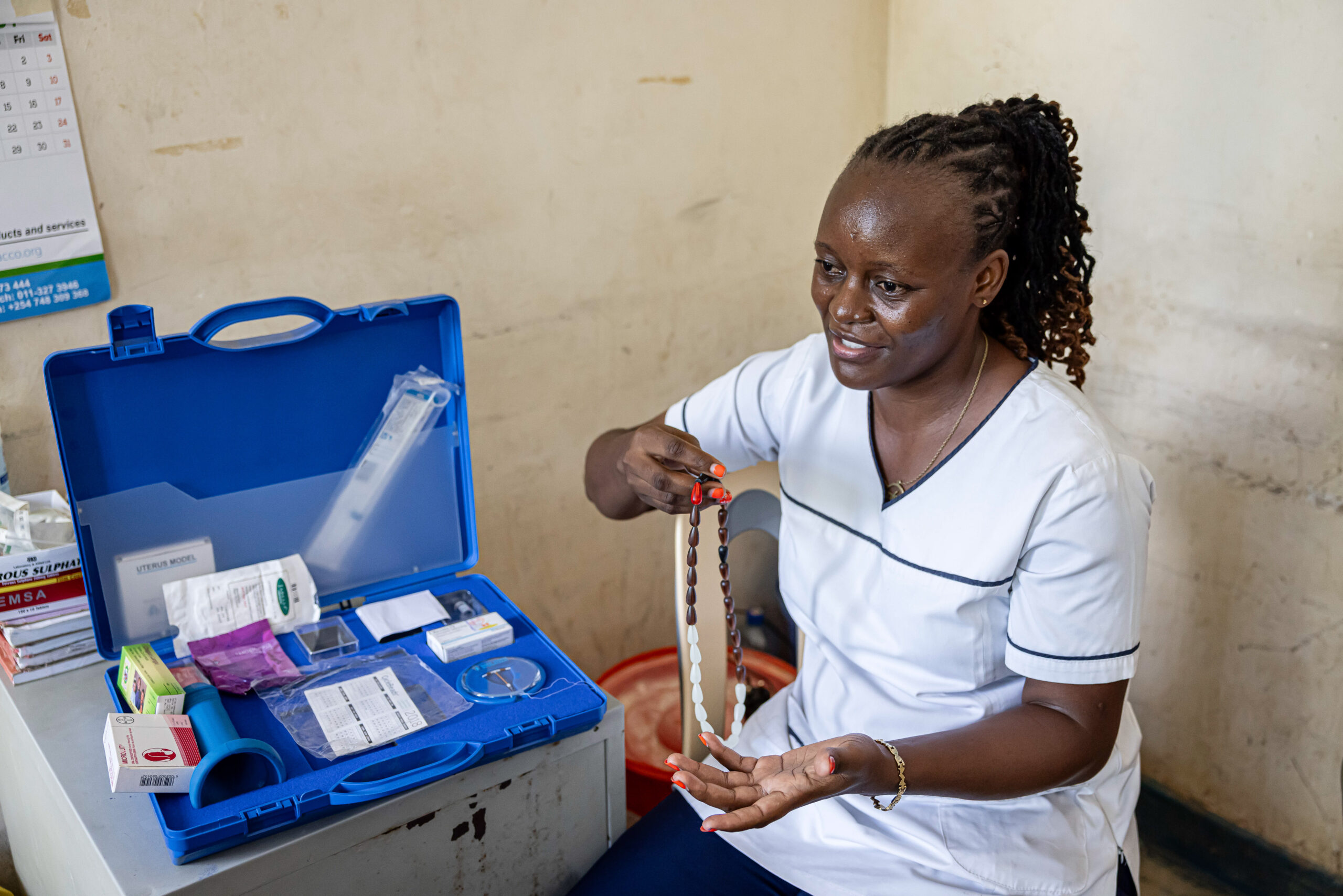
What is a CYP?
Learn more about Couple Years of Protection – a measure that estimates the protection from pregnancy provided by contraceptive methods during a one-year period.
-
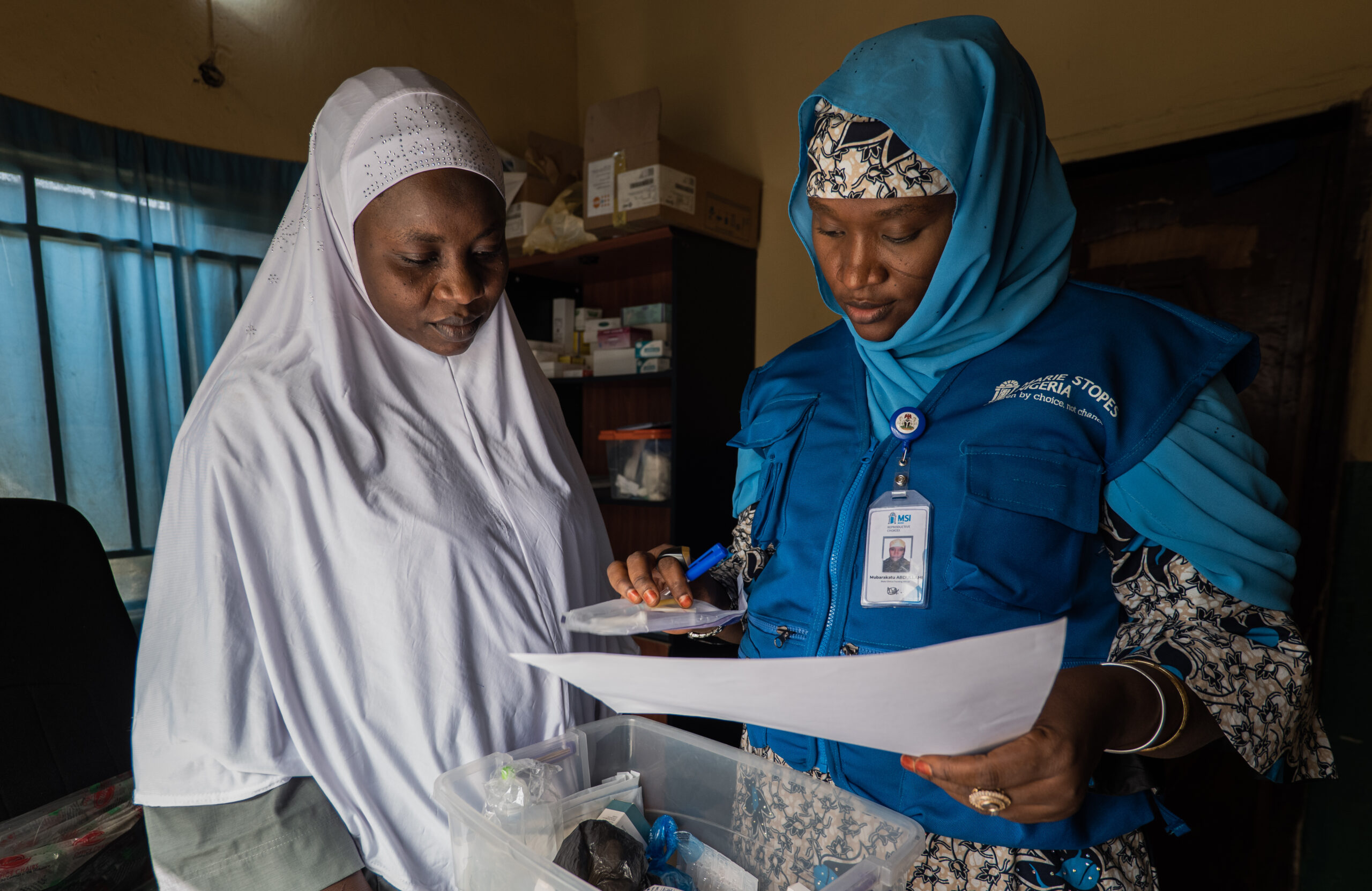
External Impact Assessment of MSI’s Public Sector Strengthening Model in Nigeria
The research paper concluded that “the MSI PSS model has had a transformative impact on reproductive health services in Nigeria, resulting in increased contraceptive use and improved service quality,” with recommendations for how to ensure this impact is sustained.
-
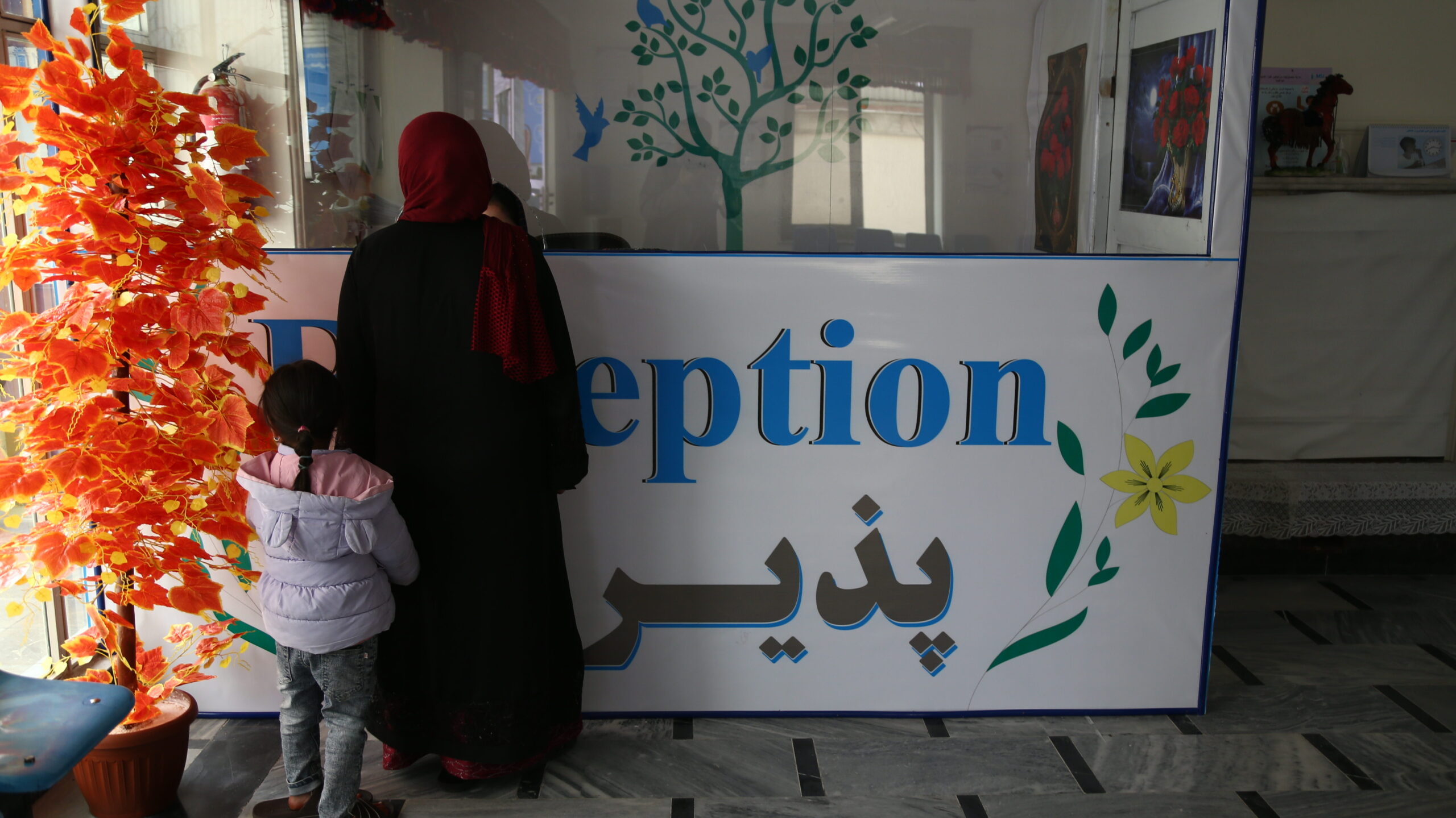
Meet two Afghan women using contraception; a powerful act of agency
Today and every day, MSI Afghanistan is there for women, as a safe space with real choices.
-
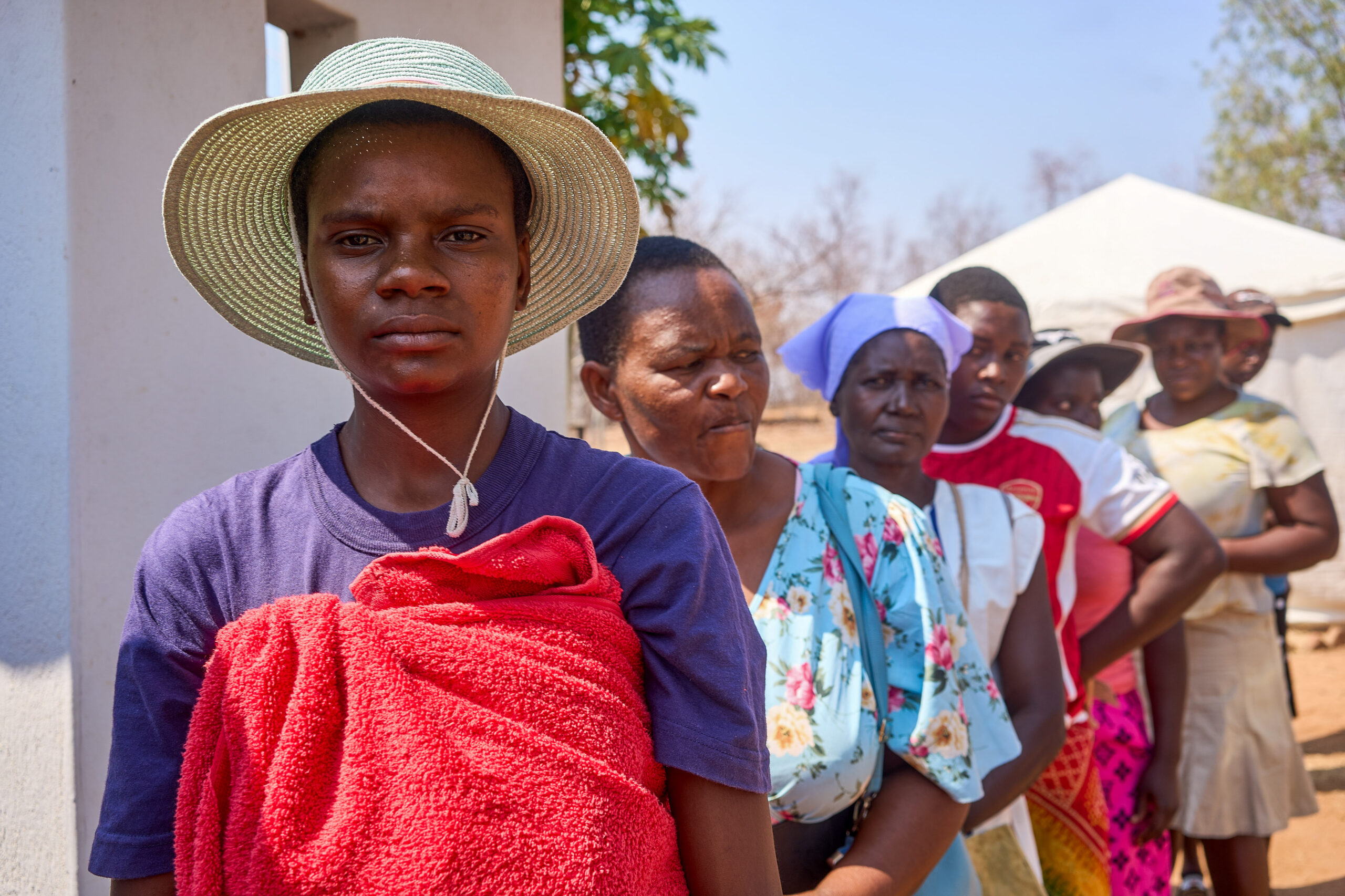
How could the US election impact women worldwide?
Read about how women and girls around the world bear the brunt of US anti-abortion policy, such as the Global Gag Rule.