




Leaving no one behind
We drive, fly, sail and trek to the world’s most remote places to deliver reproductive choices to people who’ve never had it before.
Access to reproductive choice can be life-changing. It supports girls to stay in school, helps women to pursue their careers, and saves lives by preventing unsafe abortions and maternal deaths. But for many, these choices and opportunities remain out of reach.
This is especially true for remote communities, people affected by conflict or climate change, and marginalised communities including LGBTQI people and people living with disabilities.
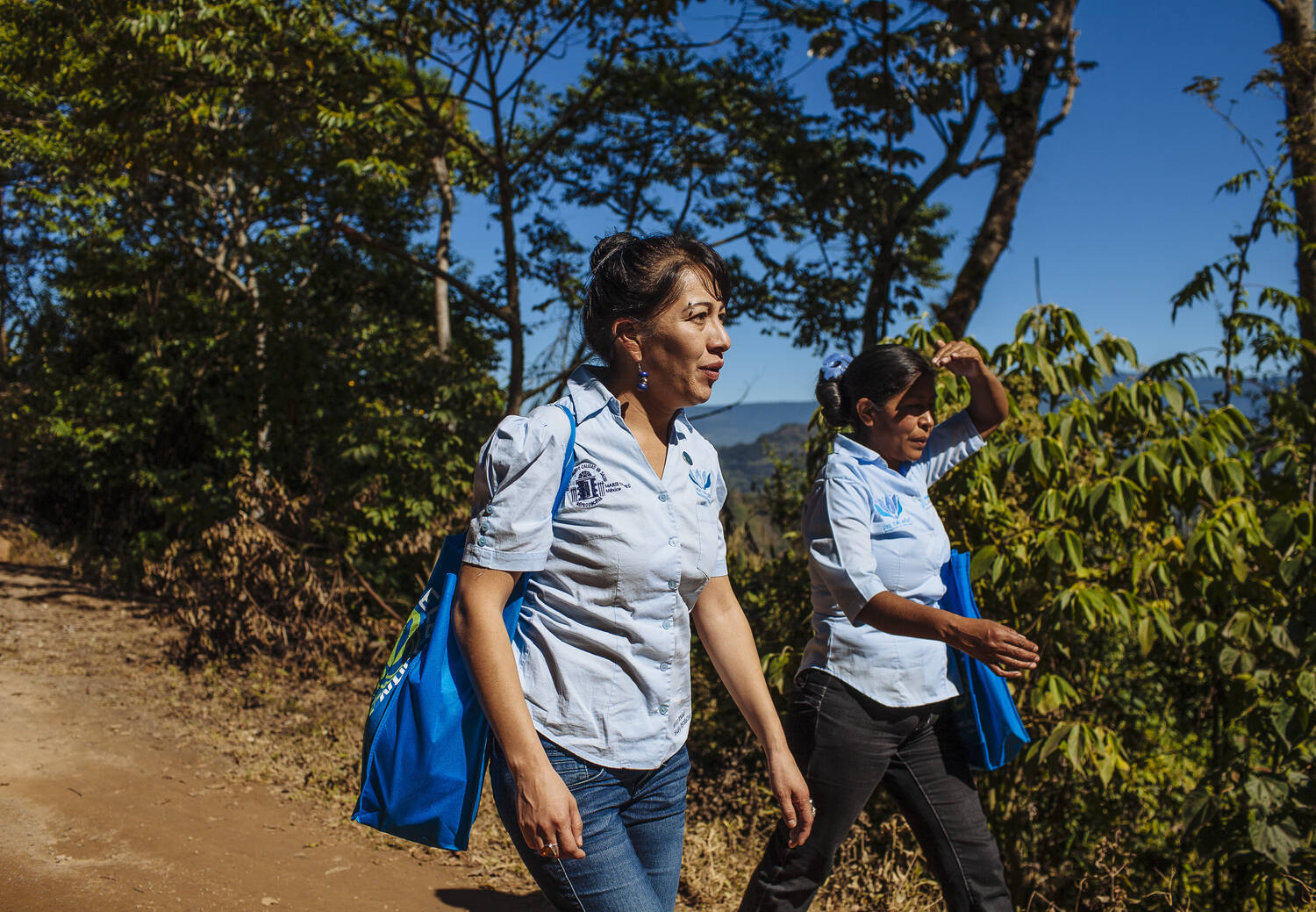
At the heart of MSI’s 2030 strategy is a commitment to leave no one behind. Our local teams travel to rural communities to deliver reproductive healthcare. They also train local public sector healthcare providers so these services are available for the long-term.
MSI brings essential healthcare to these communities – and with it, hope and opportunities.
How we provide health interventions to support rural communities
For rural, low-income and displaced communities, and those affected by climate change, MSI’s mobile health services are often their only chance at accessing reproductive healthcare.
With 50 years of experience delivering care to marginalised communities, our teams know how to reach people who have been left behind by health systems.
In 2025, we reached 17.6 million people with little or no prior access to reproductive care.
We use geo-mapping to go to the very last mile, where no one else goes and where our services are needed most. MSI providers are out there every day helping:
- Communities who are overlooked and marginalised. 1 in 3 of our contraceptive clients have never accessed contraception before and more than 1 in 3 are living in multi-dimensional poverty.
- Young people. Last year, MSI supported 3.4 million adolescents with their reproductive choices — who are often barred from sexual and reproductive healthcare.
- Women in crisis and conflict. Our teams are working to protect access to women’s healthcare in humanitarian settings in nine countries, including Afghanistan, Ethiopia and Myanmar, and on the frontline of climate disasters.
It only costs £4 for our outreach teams to provide someone with contraception for a whole year, protecting them from an unintended pregnancy and helping them determine their own future. Our health teams are working cost-effectively and at scale to transform lives.
“If you hadn’t have come, we wouldn’t have gotten access to these contraceptives. I feel good about my body. I am happy.”
Naomi, 19, MSI Nigeria contraceptive client
Why family planning is important in rural areas
Family planning and reproductive healthcare has the power to transform communities.
For people living in extremely rural settings and in poverty, the choice to delay or avoid pregnancy is completely life-changing. At MSI, we’ve heard from many of our clients about how abortion or contraceptive access has allowed them to take control of their futures and achieve better financial security.
Not only does it unlock women’s opportunities – it saves lives too. Having access to sexual health knowledge and reproductive care prevents maternal deaths, unsafe abortions and HIV infections.
When women and girls are trusted to make their own choices, it has a deep and lasting impact that will be felt for generations to come.
Family planning in Africa
There are 252 MSI mobile health teams delivering family planning programmes in Africa, working to bring life-changing reproductive healthcare to remote communities.
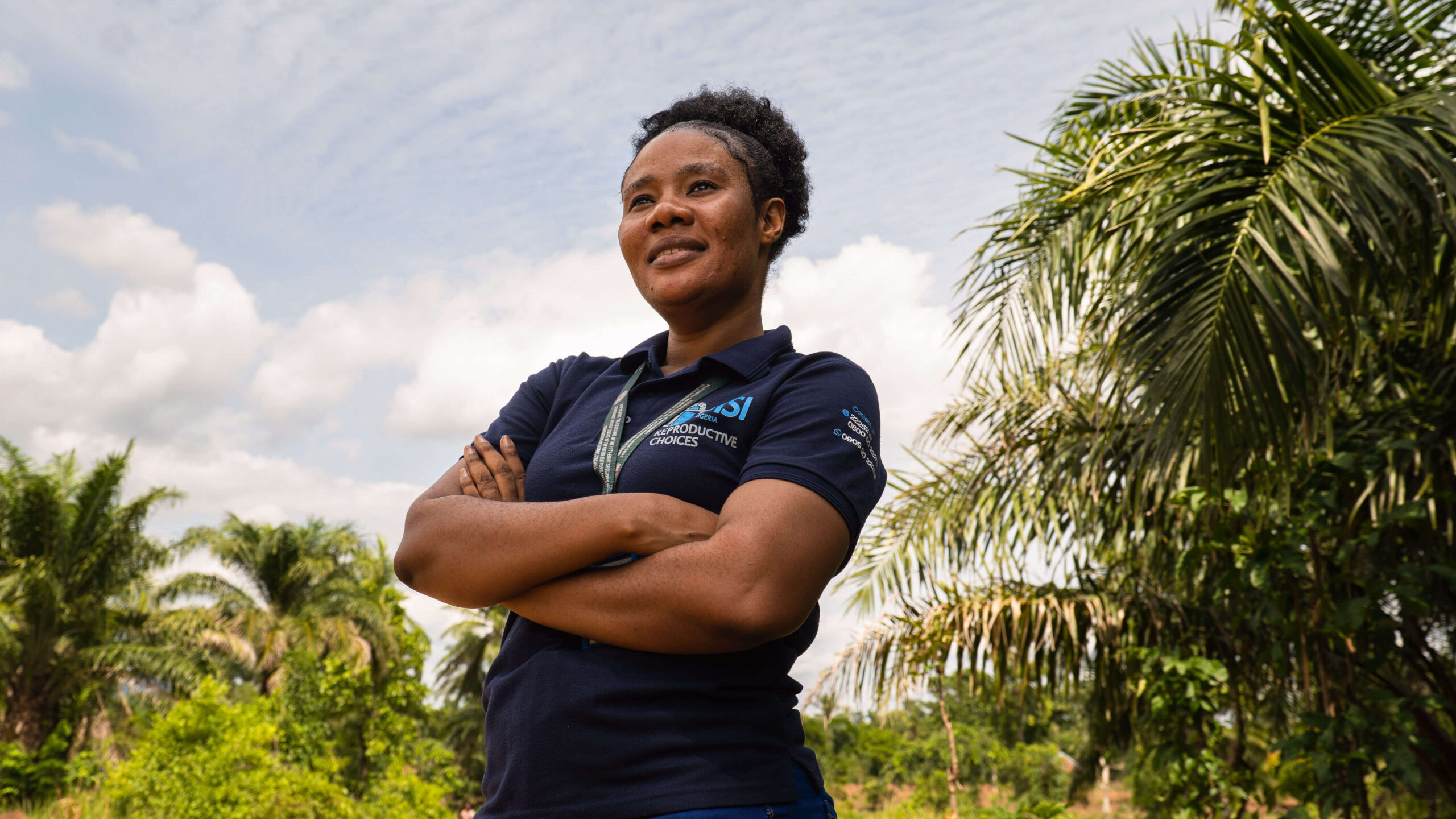
Feature story: Day in the life of an MSI outreach team in Nigeria
Beyond where roads end, a nurse is changing lives. This is a story of people taking control of their futures with contraception.
Family planning in Asia
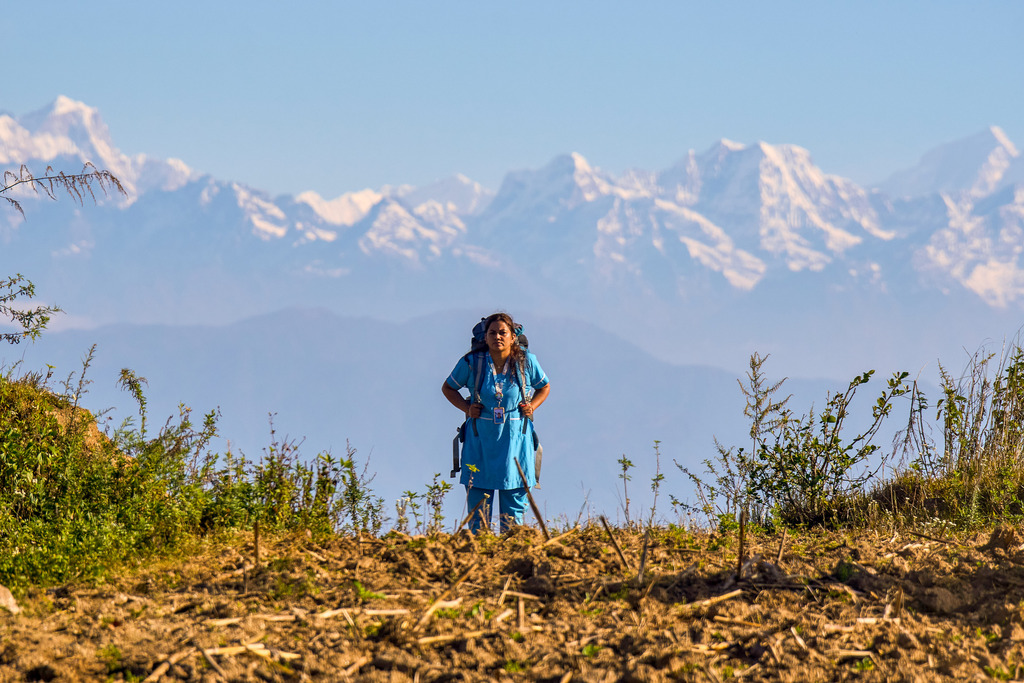
MSI is a leading charity providing contraception in Asia, with 120 mobile health teams delivering family planning programmes–ensuring people have the reproductive choices they want, even when they live in remote places without healthcare infrastructure.
“During the rainy season, we walk for hours or days to reach some areas. Sometimes there are floods or landslides. But we still go, even on foot, we never let clients miss their service.
Changing millions of lives
Between 2020 and 2030, we aim to support over 120 million people with sexual and reproductive healthcare. 80% will have had little to no prior access.
In 2025, in partnership with governments, civil society organisations and healthcare partners, MSI supported:
27.8m
with reproductive healthcare across 36 countries
3.4m
adolescents with their sexual and reproductive health
100k
with reproductive choice every single day
Watch our MSI Nigeria team in action:
Partnering with the public sector for sustainable access
To achieve a world where everyone has reproductive choice, partnerships across the health system, including the public and private sectors, will be vital.
With time, partnership, and joint investment, we know that national ownership of comprehensive sexual and reproductive healthcare can be achieved.
Working closely with Ministries of Health and district health authorities across 21 of MSI’s country programmes, we’re increasing the choice, quality and reach of national reproductive healthcare services, so women can be confident they have access for the long-term.
In 2025, we supported 11.2 million clients to access high-quality reproductive healthcare through their local public service provider, across 8,600 government facilities.
We can work together to leave no one behind
In partnership, we can transform access to sexual and reproductive healthcare.
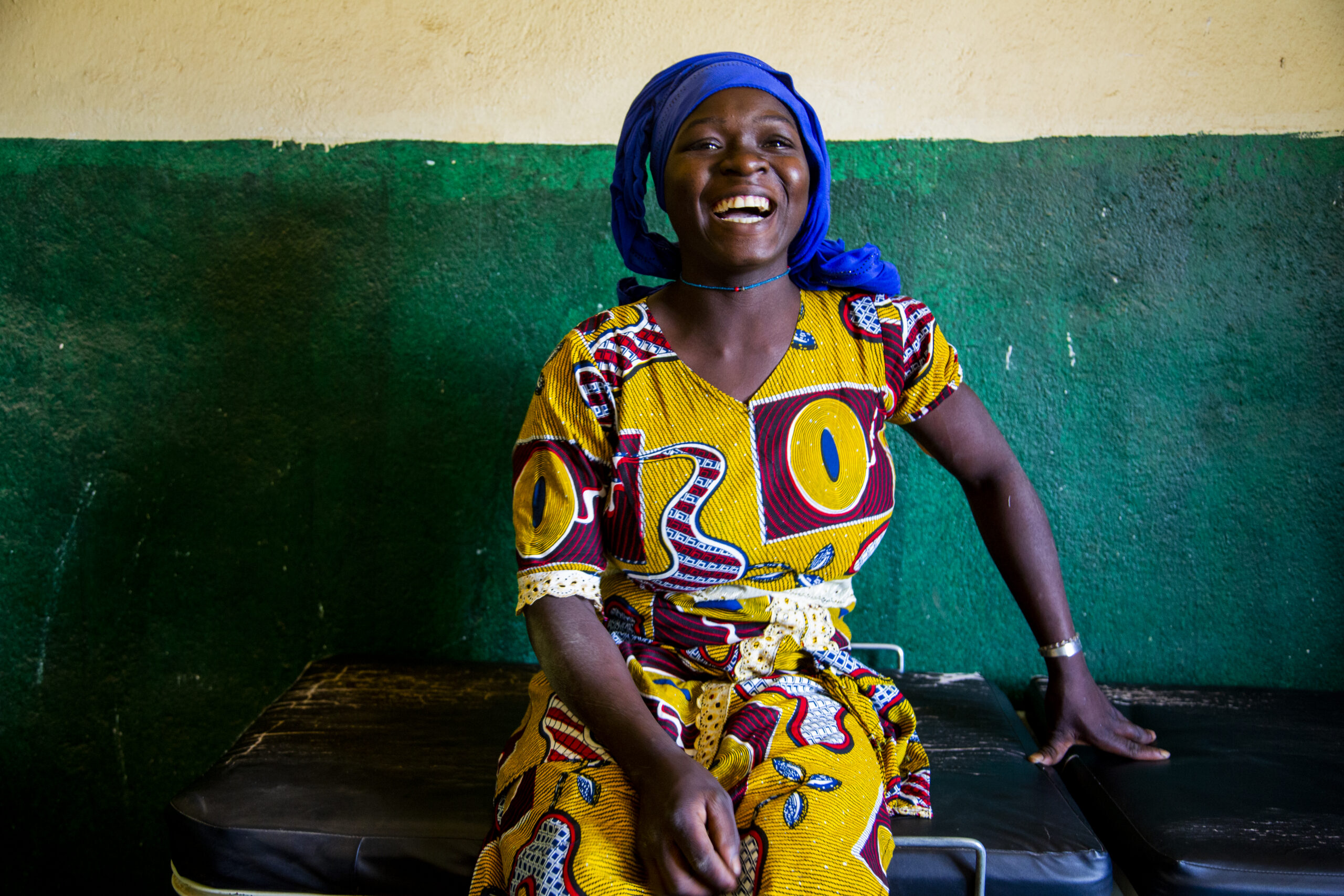
Health systems strengthening
For many people, their closest provider of sexual and reproductive healthcare is a public sector facility. We transform access to healthcare by working with the public sector.
Partner with us
Whether you give time, money, or expertise, your investment could benefit women and families for generations to come. Get in touch to discuss how we can work together to leave no one behind.
Donate to give someone choice
Your donation today could provide a young woman with contraception, or save a woman’s life with abortion care. Help us go the last mile to deliver reproductive choice to those with no other access.