




Family planning
What is family planning?
Family planning is all about choice. It’s a form of reproductive healthcare that supports people with the information and contraception they need to decide if and when they want to have children, and to have control over their fertility decisions and the timing of their pregnancies.
Family planning means that people have the information and healthcare they need to make informed choices about their fertility and reproductive health. Everyone should have family planning support as a fundamental human right, but still millions of people globally lack access to it. MSI is changing that.
Over the past five decades we have supported more than 290 million people, expanding access to family planning across the globe.
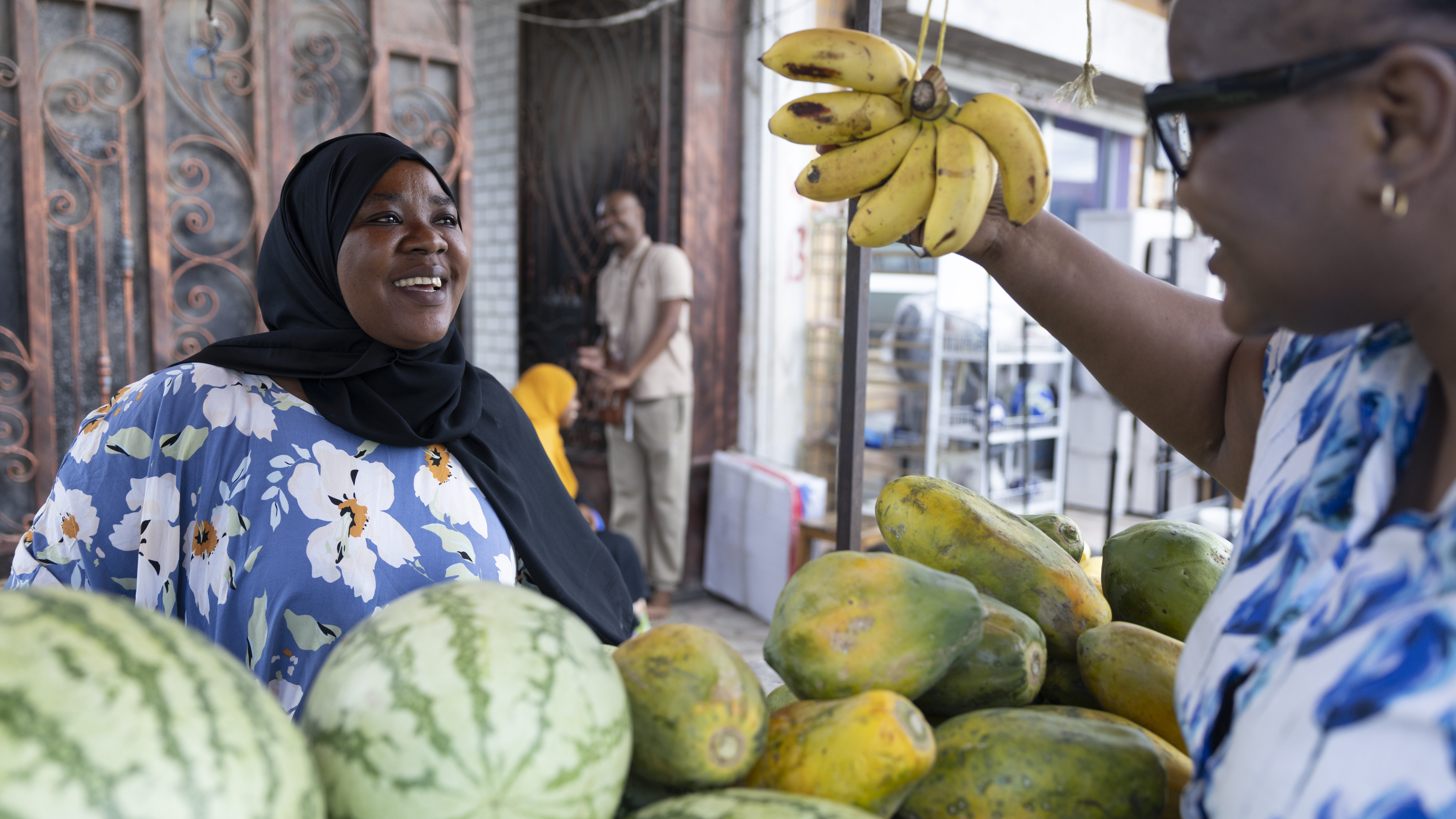
Nayfat is a mother of two and is a client of MSI Tanzania, receiving family planning support.
“Selling fruit is how I support my family, and family planning gave me the time and freedom to grow my business. When you can plan your children, you can plan your life and your income.”
“Getting the contraceptive implant gave me peace of mind. Without contraception, many women would struggle to support their families. These services help us build better lives.”
The importance of family planning
There are few interventions or investments that are more impactful than family planning in improving the health of women, families, and communities.
- Empowering reproductive choice and bodily autonomy
A woman should have agency over her body and choices. With access to high-quality, client-centred family planning and abortion care, women and girls have the choice to pursue their own futures on their terms.
- Supporting maternal and child health
Family planning supports women to space their pregnancies and births, which supports the health and wellbeing of both parents and children.
Maternal deaths are still alarmingly high. In many of the countries where MSI works, pregnancy complications and unsafe abortion are leading causes of death among women of reproductive age. By supporting women with family planning, we are preventing the unnecessary deaths of thousands of women and girls.
- Educational and economic opportunities, particularly for women and girls
Family planning advances gender equality by supporting women and girls to access power. Access to quality reproductive services and information gives women and girls the chance to decide their own timeline, offering the ability to finish their education and embark on careers, and participate in social, economic and political spheres.
- Breaking cycles of poverty
Unplanned pregnancies can limit educational opportunities, which exacerbates financial instability, contributing to a cycle of poverty that is almost impossible to break. With family planning support, we can offer women the chance to decide if or when to become pregnant – helping them build a brighter future.
- Supporting sustainable development
Every $1 invested in contraception generates over $120 in health and socio-economic gains. Evidence has consistently found sexual and reproductive health to be a development best buy, because it contributes to the Sustainable Development Goals like ‘Health and Wellbeing’, ‘Gender Equality’, and ‘No Poverty’. It also takes significant pressure off health systems by providing preventative healthcare.
Benefits of family planning
There are wide-ranging and life-changing benefits of having access to family planning.
Benefits for individuals and families
When people have access to contraception, they can take control of their futures. This isn’t just about big-scale, world-shifting progress. It’s also about the life of a young woman, and her right to choose what happens to her own body, when or if to get pregnant, and what her future will look like.
Families can more easily become economically stable because they have more time for work and can better manage their resources, creating opportunities and impact for generations to come.
Benefits for communities
When women are empowered to control their own lives, we see a ripple effect of positive outcomes.
Evidence has consistently established the link between accessing reproductive healthcare and higher education, higher family incomes, and better health outcomes for communities. The demand for reproductive choices in communities worldwide is unsurprisingly growing as a result.
Benefits for global development
Sexual and reproductive healthcare is a vital force for social change. Access to family planning helps to advance gender equality, reduce poverty, and is key to achieving the global sustainable development goals.
Family planning methods
We offer our clients a range of choices and information, so they can choose what’s right for them.
Some prefer the flexibility of using a short-term method of contraception. Barrier methods can also offer protection from Sexually Transmitted Infections (STIs).
Using a short-term method means you can stop using it whenever you like, for example, if you decide you’d like to become pregnant. MSI offers two types of contraception within this category – short-term barrier methods and short-term hormonal methods.
The short-term barrier contraceptives we offer are the female and male condom.
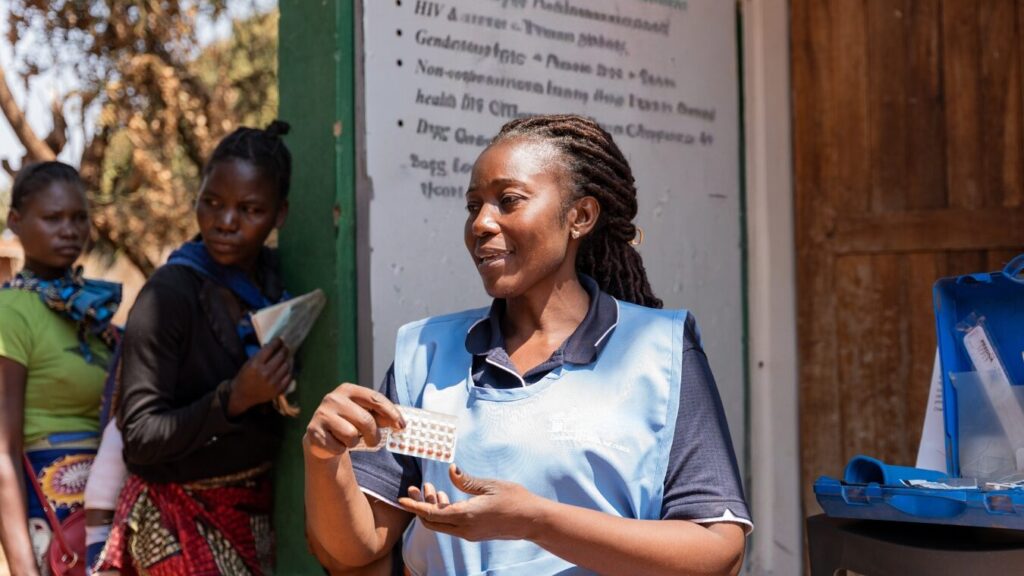
The short-term hormonal methods we offer are the combined oral contraceptive, the progestin-only pill, and depo medroxyprogesterone acetate injectables (often called “Depo Provera” or “Sayana Press”). We also offer emergency contraceptive pills, the hormonal patch in Vietnam and South Africa, and a range of emergency contraception options including IUDs.
Long-acting reversible methods of contraception are methods that offer protection against pregnancy for several years. These are far more effective than short term methods, and users do not need to remember to keep taking them.
Many prefer the convenience of these methods over needing to remember to take a pill every day or having an injection every 3 months. Most of MSI’s clients choose long-acting forms of contraception and in many of the countries where we work, MSI Reproductive Choices is the only provider of these methods.
We can offer clients long-acting reversible methods including the copper IUD, the hormonal IUD, or the contraceptive implant.
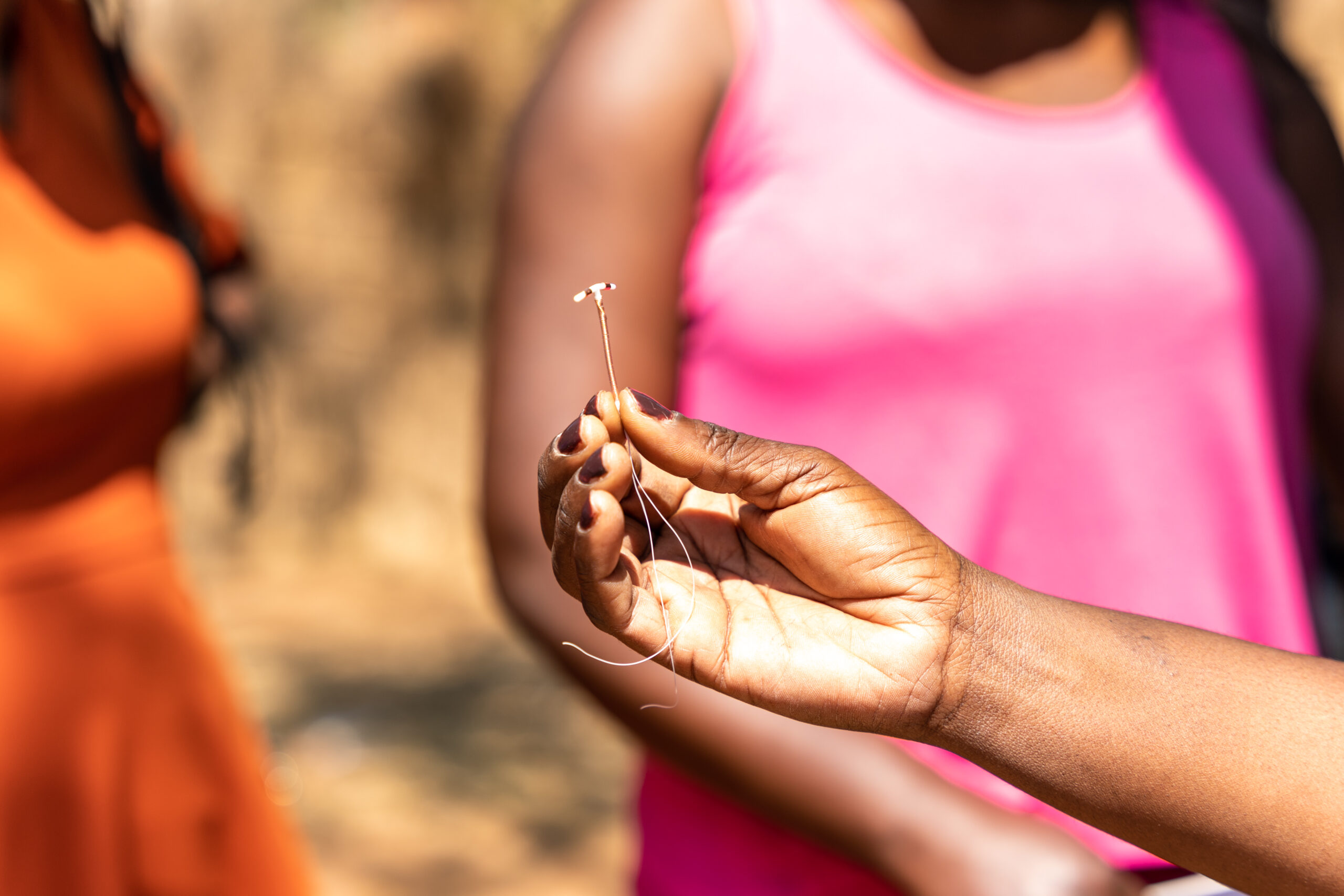
Copper IUD
The copper intrauterine device (IUD) is a small copper-coated device that is inserted into the uterus through the vagina and cervix by a specially trained healthcare provider. Once in place, it can prevent pregnancy for 5 to 12 years depending on the model used.
If inserted within the first 5 days after unprotected sex, the copper IUD also acts as emergency contraception, and can continue to be used as regular contraception afterwards.
Hormonal IUD
The levonorgestrel intrauterine system (LNG-IUS) is a small plastic device that is inserted through the vagina and cervix by a specially trained healthcare provider. Once in place, it releases small amounts of the hormone levonorgestrel every day and prevents pregnancy for 3 to 5 years.
Contraceptive implant
The implant is a small plastic rod or rods, about the size of a matchstick, that releases a progestin hormone. A specially trained provider performs a minor surgical procedure to place the implant rod(s) under the skin on the inside of the arm. Once in place, it releases small amounts of progestins consistently, preventing pregnancy for three to five years.
We offer two permanent methods of contraception – tubal ligation for women and vasectomy for men.
Tubal ligation and vasectomy are both minor surgical procedures that are conducted by surgeons in an outpatient setting. They are quick, safe and protect you from unwanted pregnancies for life. Permanent methods are great for people who are certain they don’t want any more children or don’t want children at all. They are a highly effective method, which a person does not need to remind themselves of regularly.
If someone has had unprotected sex and wants to protect themselves against pregnancy, MSI can offer emergency contraception.
We offer two types of emergency contraception – the emergency contraceptive pill and the copper intrauterine device.
Emergency contraceptive pill
The emergency contraceptive pill – also known as the morning-after pill – can help to prevent pregnancy when taken up to 3-5 days after unprotected sex, depending on the pill used. It works by delaying the release of an egg from an ovary, therefore preventing pregnancy. The sooner you take the morning after pill, the more effective it will be at preventing pregnancy.
There are two types of emergency contraception medication:
1. The emergency contraceptive pill levonorgestrel (LNG), also called Levonelle, Revoke, or Back-Up, it can be taken up to 72 hours after unprotected sex.
2. The emergency contraceptive pill ulipristal acetate (UPA), also called Ellaone, it can be taken up to 120 hours after unprotected sex.
Because the emergency contraceptive pill delays the release of an egg, it is unlikely to be effective if taken after ovulation. The most effective form of emergency contraception is therefore the intrauterine device (IUD), sometimes referred to as “the coil”.
Copper intrauterine device (IUD)
The copper IUD can be inserted up to five days after unprotected sex to prevent pregnancy. Once inserted, it will continue working for as long as the woman wishes to keep it in place, from a few weeks up to 12 years.
Looking for services?
If you are looking for services, you can find out where we work and how to get in touch.
Family planning for women globally
Family planning is still not accessible to many people across the world, especially in low and middle-income countries.
At this moment, there are 257 million women and girls who want access to contraception but don’t have it. 14 million of them are adolescents – and pregnancy and childbirth complications are their leading causes of death.
As more women and girls learn about their rights and choices, there’s now unprecedented demand for these services.
MSI advocates for family planning access, and provides services to millions of people every year.
Supporting family planning access worldwide
MSI works to expand family planning access in underserved communities across 36 countries in six continents. We support 100,000 people with their reproductive choices every single day.
In the countries where we work, we estimate that more than 10% of the total demand for family planning is met by MSI, contributing to an increased rate of people using modern contraception (mCPR).
Our teams go the extra mile to reach people who have never before had access to family planning, with cost-effective approaches.
But our work is still cut out for us. Millions of women and families are being left behind, and with your help we can reach them. Together we can help more people make the reproductive choices that are right for their bodies, lives, and futures.
More on MSI’s services
We’re working towards a world where everyone has reproductive choice. Find out more about our contraception and broader healthcare services, and how you can help.
Find our services
If you’re looking for services, we may be able to assist you depending on where you live and your situation. Find out where we work and how to get in touch.

Delivering contraception globally
Find out how we delivered access to over 100,000 people every day in 2025 in our impact report.
Donate to support contraceptive access
It only costs £5 per year to provide someone with life-changing reproductive healthcare. Help us protect reproductive choice, when needed most.