




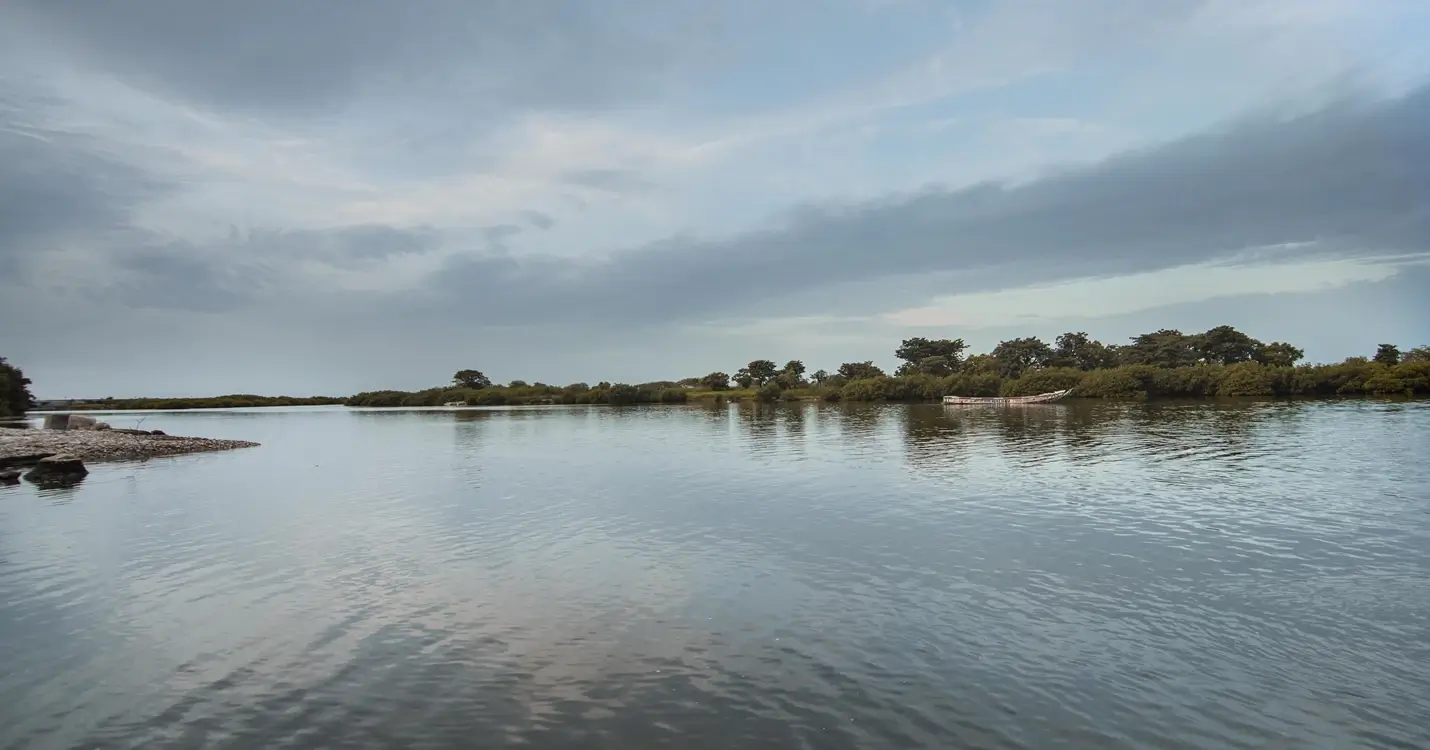
Climate resilience and reproductive rights
To adapt and build resilience to the climate crisis, women and girls have made it clear that they want reproductive choice.
Climate change and reproductive health
While the globe continues to grapple with a response to the climate crisis, some communities are already living through its impacts.
It’s an injustice that the communities that have contributed least to the climate crisis are suffering the most. Water scarcity, rising sea levels, and increasing crop failures and flooding are disproportionately affecting low- and middle-income countries.
Evidence shows that women and girls are hardest hit. Facing lower incomes and poorer access to food and other resources, the UN has warned that women and girls will suffer for longer and more severely from climate shocks and disasters.
Climate change could displace more than 216 million people by 2050. When facing displacement, women and girls are at higher risk of sexual and gender-based violence, increasing the need for sexual and reproductive healthcare even more.
How climate change impacts reproductive health
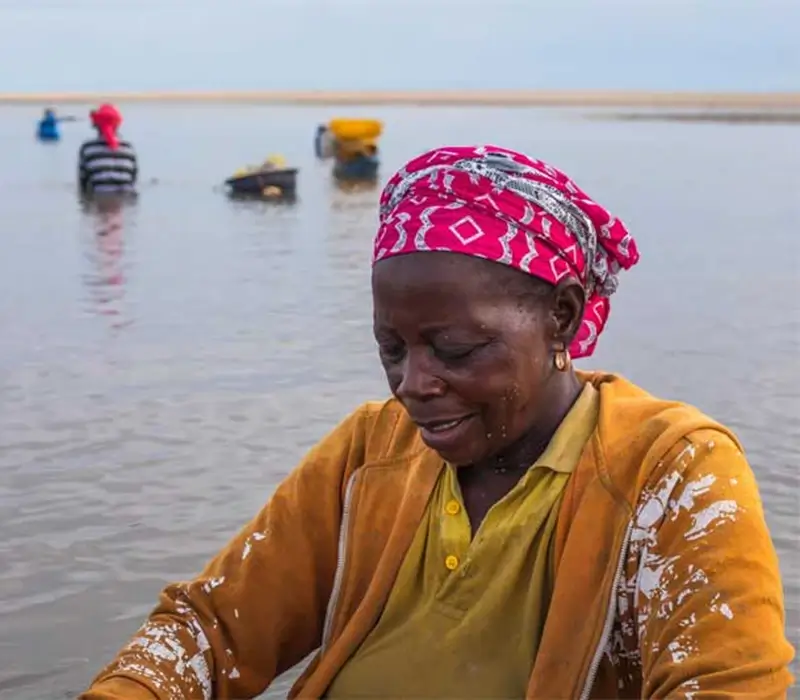
14 million women at risk of losing reproductive choice
Analysis from MSI Reproductive Choices across 26 climate-affected countries found that an estimated 11.5 million women have had their access to contraception disrupted since 2011.
This will worsen over the next decade, with an estimated 14 million women at risk of losing access to contraception due to climate-related displacement, unless we take action to protect their access.
How we support women and climate resilience
For people living in climate-affected communities, the choice to access contraception or any other reproductive health service is essential. It supports women and girls to avoid unintended pregnancy while they navigate challenges like natural disasters, displacement, and lack of food sources.
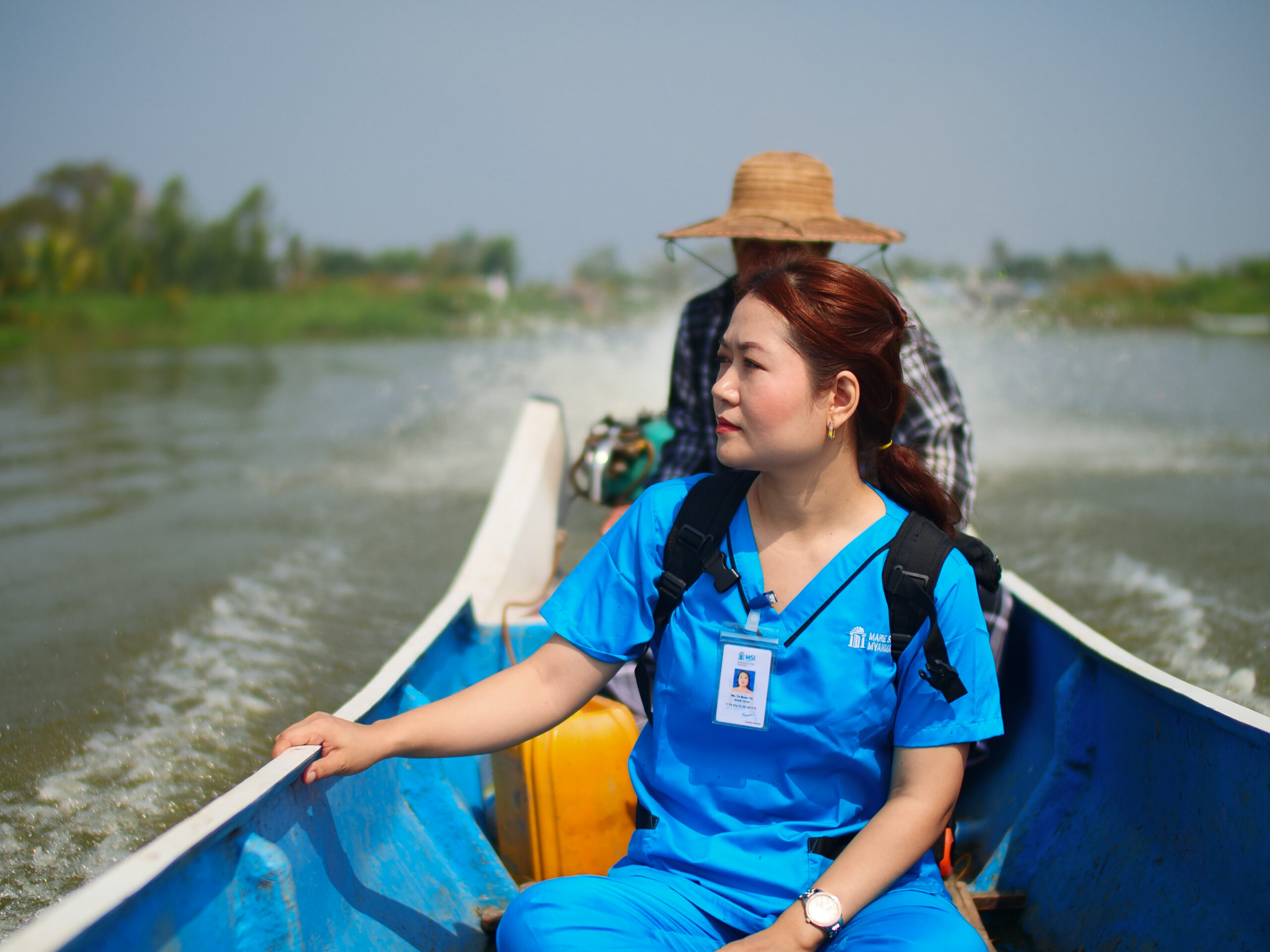
MSI teams are in climate-affected communities protecting women’s access to reproductive health services – in Pakistan, Afghanistan, Malawi, Ethiopia, Madagascar, Myanmar, and beyond.
In these challenging settings, we’re partnering with other NGOs and local organisations to ensure aid programmes are integrated and meet people’s needs.
Reproductive choice can support climate adaptation
When facing climate disruptions, like any humanitarian crisis, it is essential that women have access to reproductive choice, enabling them to avoid unintended pregnancies for as long as they need.
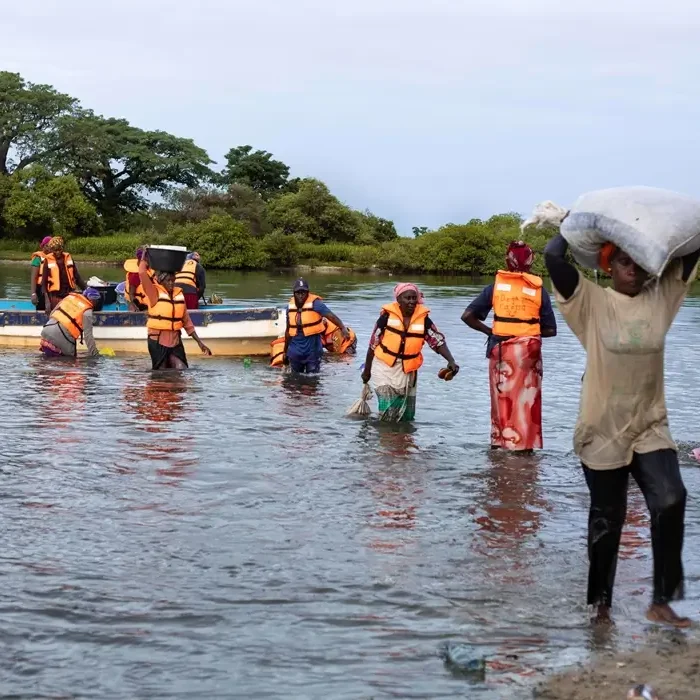
For many women accessing healthcare with MSI, the climate crisis is a daily reality. When drought hits they need to walk further to find water, and when harvests fail they can struggle to feed their families. To support them to adapt, whether that’s re-locating or re-entering the workforce to support their family, women have made it clear that they want reproductive choice.
In Senegal, we met a woman who tragically lost her home due to erosion after the climate crisis caused local sea levels to rise. Facing homelessness, she came to MSI for contraception so she could avoid pregnancy while finding a new home for her family.
Women need to be part of finding climate solutions
If we are going to solve the climate crisis, we need to make sure women and girls can play a part in finding solutions.
With reproductive choice, girls are more likely to finish their education and pursue their careers, supporting them with economic stability when facing a disaster, and to take on decision-making roles at a community and national level. With choice, women can have a seat at the table in finding climate solutions.
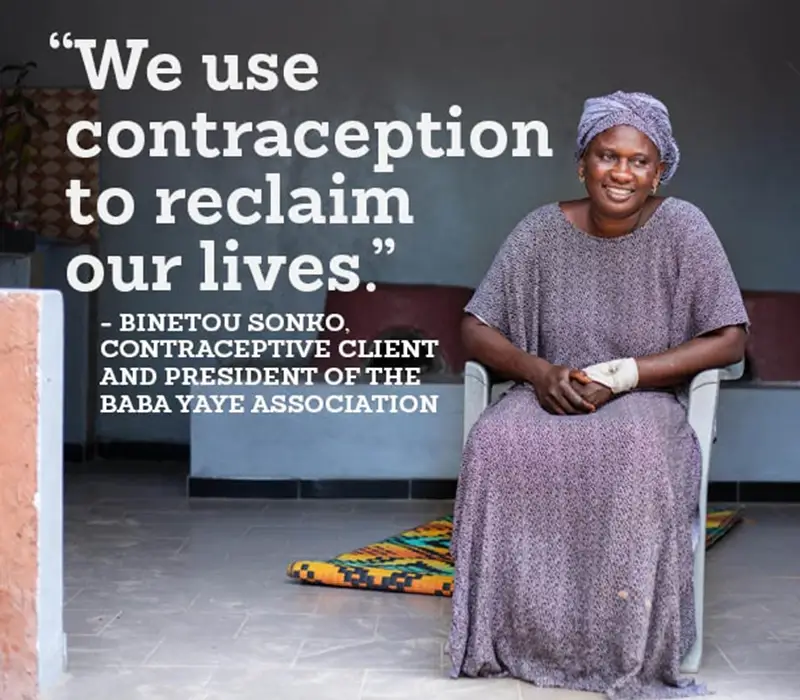
Binetou, pictured left, lives in a coastal town in Senegal, and leads a local group helping to rebuild the mangroves that have been impacted by climate change.
Support our work helping women in the climate crisis
At MSI, we’re doing all we can to deliver life-saving and life-changing reproductive healthcare to women and girls without access, including those on the frontline of the climate crisis.
It costs only £4 per year for MSI to provide a woman or girl with reproductive choice, giving them the power to decide if or when to become pregnant and determine the path their life takes. We now need your help to protect reproductive choice for women and girls on the frontline of the climate crisis.
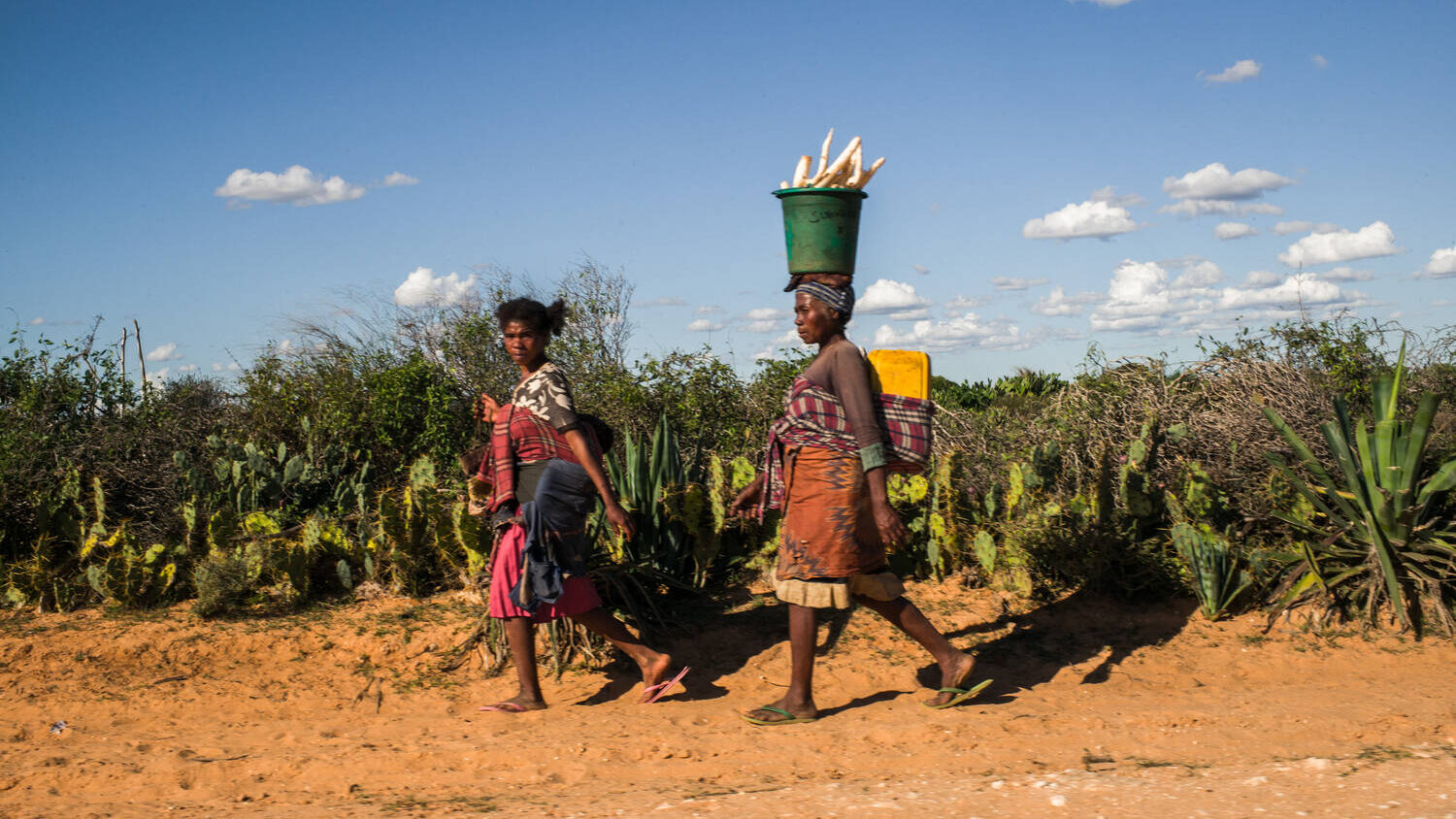
MSI’s carbon reduction plan
As an organisation committed to advancing reproductive health and choice, MSI is dedicated to addressing the pressing challenges of our time. We recognise that the impact of carbon emissions on our environment is a global concern that requires immediate action. In line with the UK government’s commitment to reach net zero emissions by 2050, we have set out clear goals for the organisation’s road to carbon reduction.
More on MSI’s work in crisis settings
We’re working towards a world where everyone can access reproductive healthcare. Keep reading for more information on our work in crisis settings and how you can help.
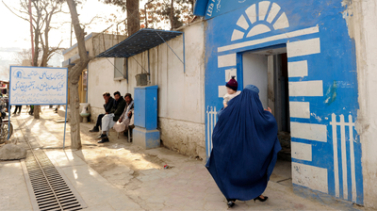
There for women in crisis
MSI works in crisis and humanitarian settings to protect women’s healthcare wherever possible.
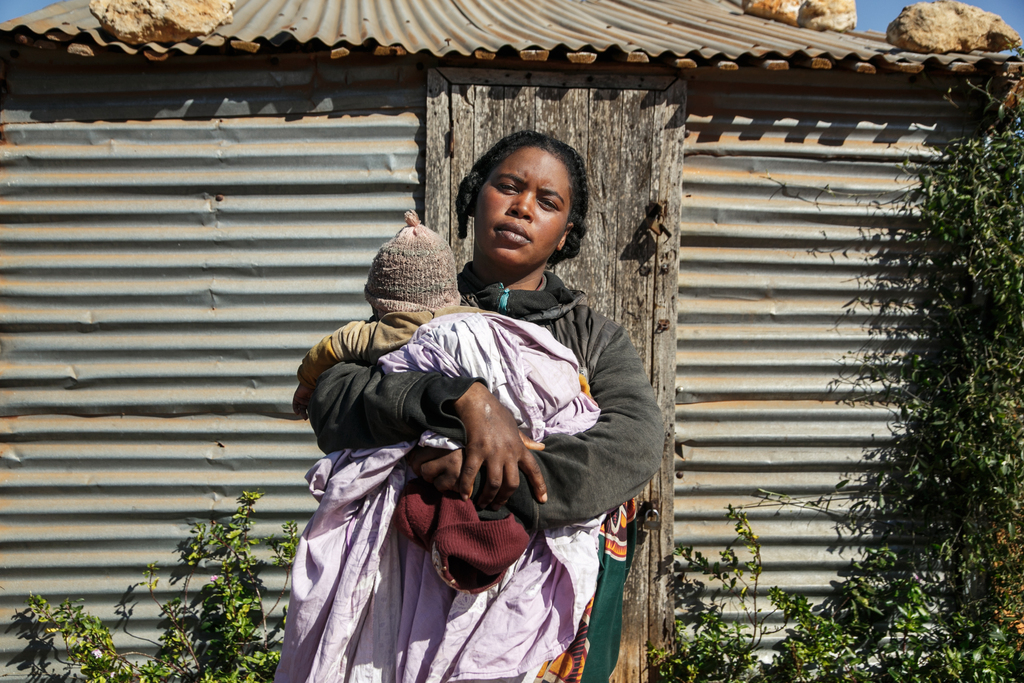
Reflections on climate & choice
Three people share perspectives on how the climate crisis intersects with reproductive health.
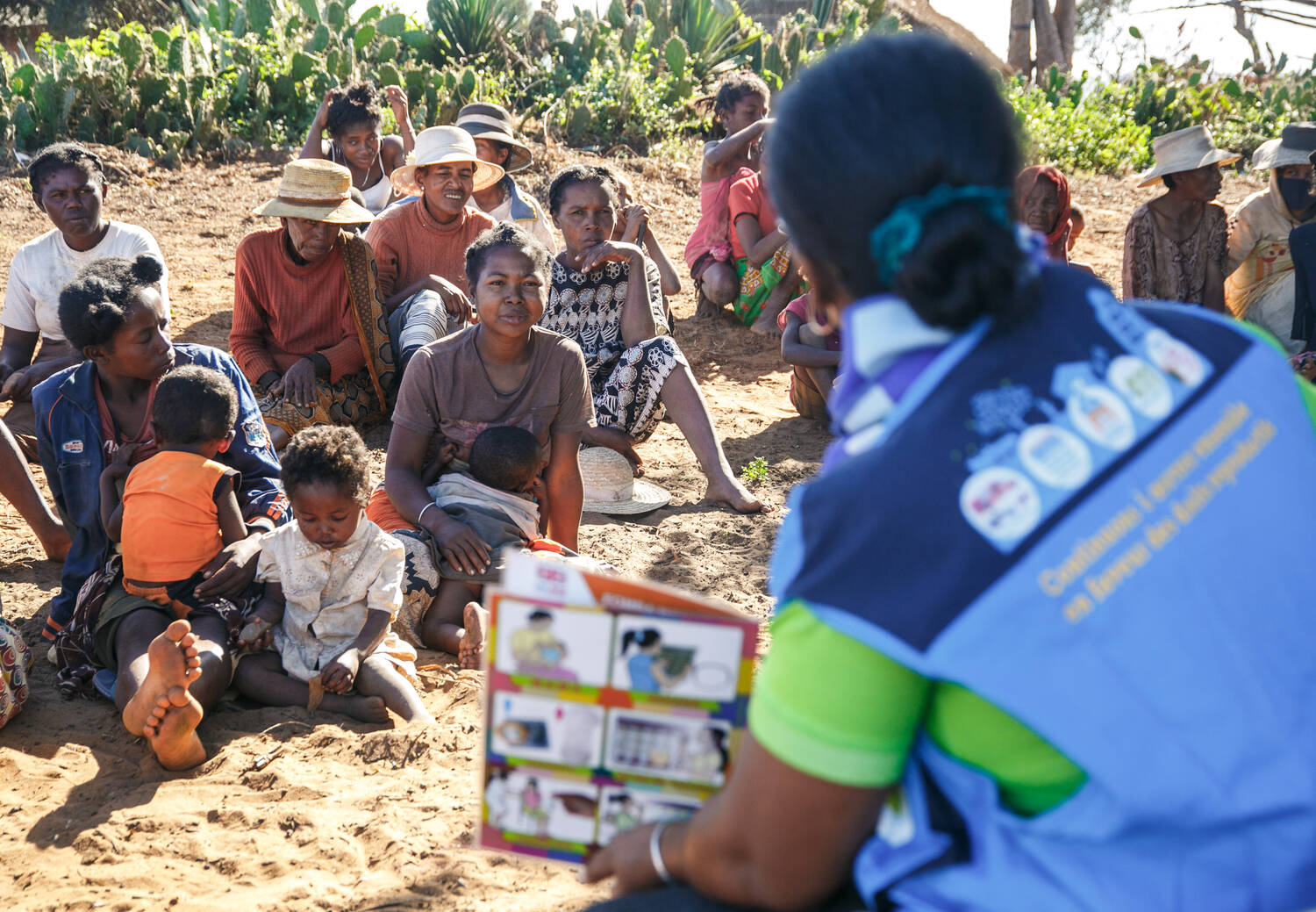
Partnering on climate resilience
How we’re supporting coastal communities with integrated reproductive health and environmental conservation.
Help us protect choice in a crisis
Donate today to give someone the power to decide if or when to become pregnant.