

Guide: Contraception is not an abortifacient; birth control is not abortion
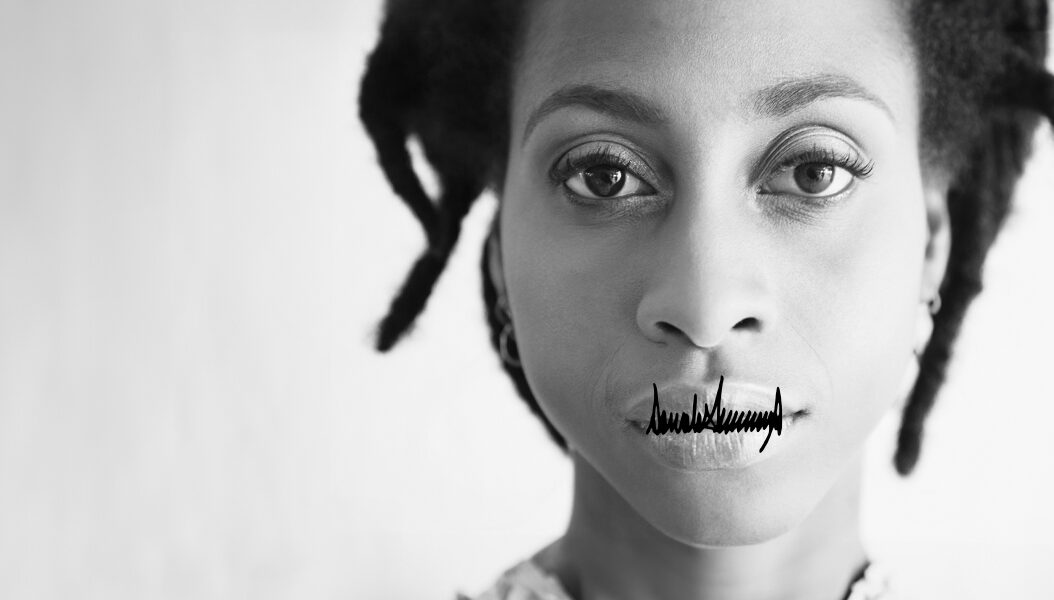
The US government is claiming that certain types of contraception are ‘abortifacient’, meaning something that induces abortion. This is incorrect and a deliberate political move by the Trump administration to undermine the right to access contraception. We’re debunking this disinformation.
What is an abortifacient?
An abortifacient is a type of medication or substance that induces the termination of a pregnancy.
Abortifacients include well known medical abortion pills such as mifepristone and misoprostol. They’re used by millions of people worldwide to end pregnancies safely and effectively.
Do methods of contraception cause abortion?
No, contraception does not cause abortion.
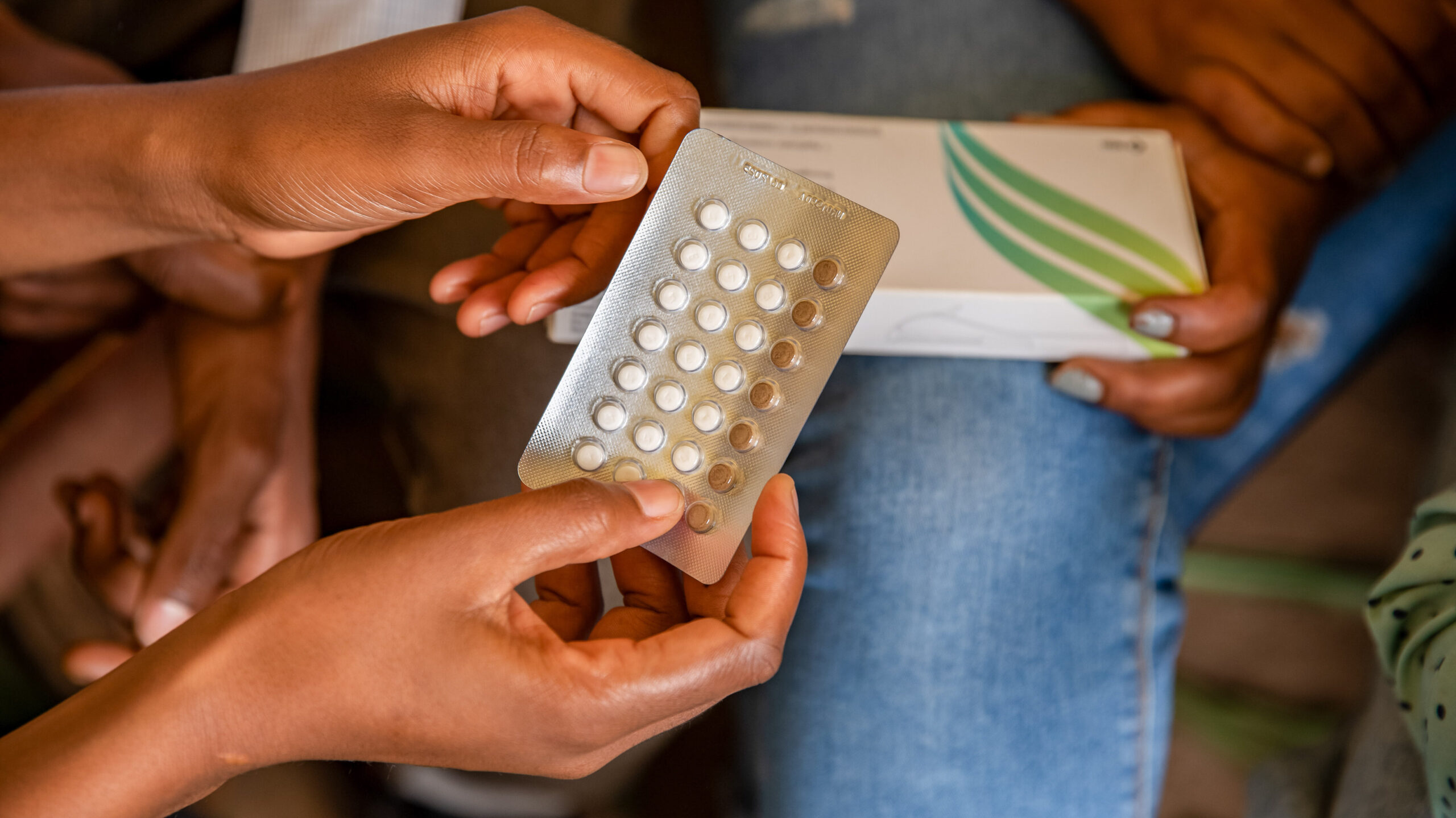
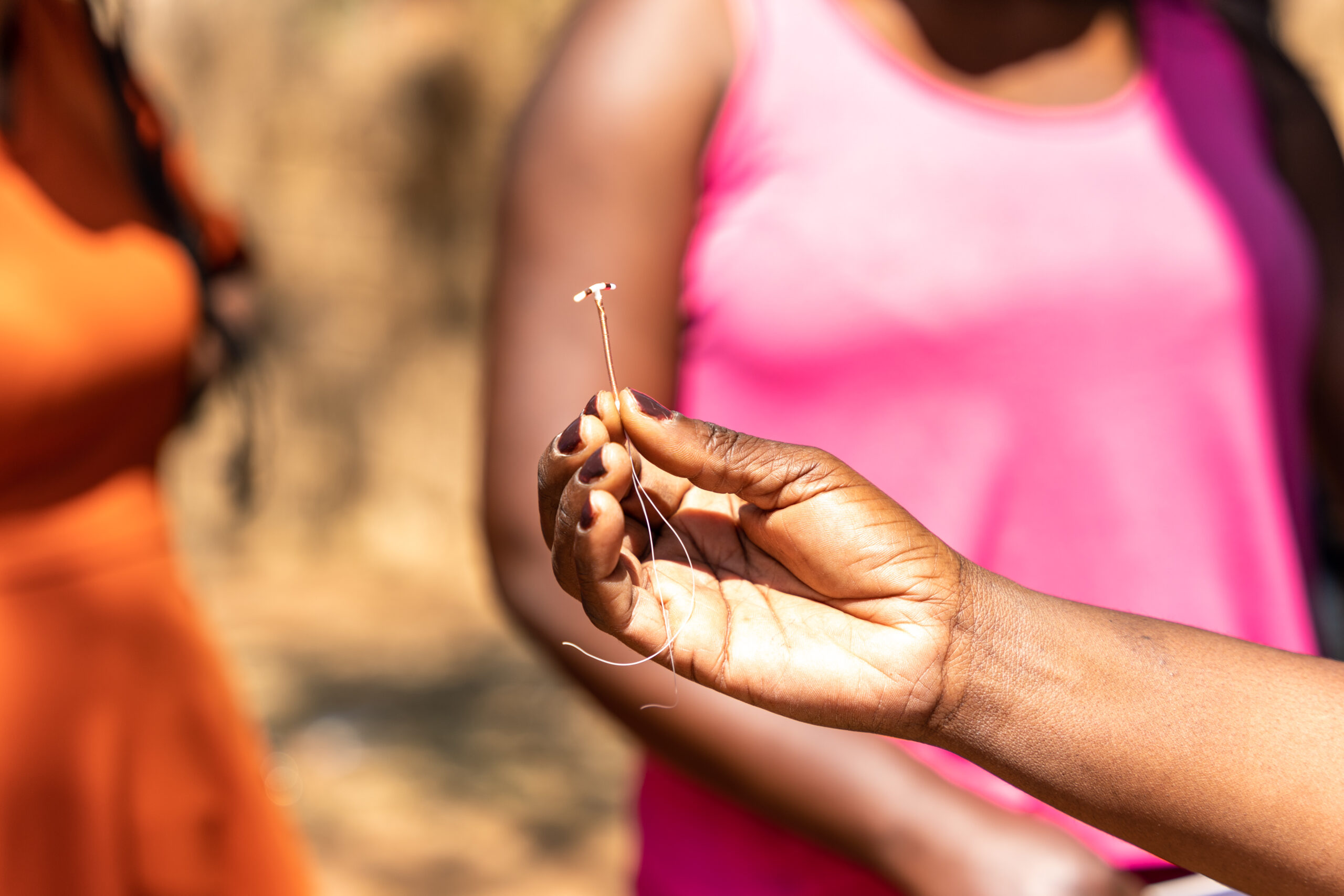
Short-term methods (like the pill, patch or injectables), long-term methods (like IUDs and implants), barrier methods (like condoms), permanent methods (like vasectomies and tubal ligations), and emergency contraception (the morning-after pill) are all examples of contraception that prevent pregnancy; they don’t end pregnancy.
Contraceptive methods are not abortifacients. This is well-accepted by the medical and healthcare community, and the public. But some people – including Trump administration officials – are trying to blur these lines to confuse people and stigmatise contraceptive use.
Why is the US government saying contraceptives are abortifacients?
The US State Department told the New York Times that they will destroy $10 million of contraception, destined for women around the world as part of international life-saving aid, because:
“The administration will no longer supply abortifacient birth control under the guise of foreign aid.”
But there’s no such thing as ‘abortifacient birth control’. An abortifacient causes abortion. Birth control prevents pregnancy, it doesn’t end it.
The Trump administration describing contraceptives as ‘abortifacient birth control’ is disinformation – and that’s intentional.
They’re attempting to blur the lines and radically redefine what an abortion means. It’s a political effort to confuse us, to stigmatise contraceptive use, and to ultimately restrict access to certain forms of contraception.
Are US states banning birth control?
US states are not banning birth control, but there is a quiet battle being waged to chip away access to affordable contraceptive choices. The Trump administration incorrectly calling certain forms of contraception ‘abortifacient’, i.e. inducing abortion, is one such attack on people’s reproductive choices.
The language of ‘abortifacient contraceptives’ has been used in anti-choice lawsuits to block contraception in the US before. But it’s the first time we’re seeing the government start to use this sort of language to justify decisions and as a matter of US policy. It’s insidious, and we cannot let it slide.
Disinformation and misinformation on abortion and contraception
We need to call out disinformation when we see it, especially when it’s used to attack our sexual and reproductive health and rights.
This is just one example of how inaccurate information is intentionally being used to confuse the public and justify malign behaviour.
We’re receiving reports from our country programmes that other governments are starting to question the definition of abortifacients – demonstrating how quickly disinformation can spread beyond borders.
We need to disarm the disinformation. That means being clear on the facts and listening to healthcare experts. Not politicians.
At MSI, we believe that every person has the right to choose – freely and without stigma – whether to have an abortion or use contraception. And we’ll continue to fight to protect everyone’s choices.
Learn more and support the fight back:
Donate to defend choice
Around the world, attacks on our reproductive health and rights are on the rise. Help us fight back.
USAID contraception
The US government is planning to destroy contraceptives worth millions of taxpayer dollars.
The impact of Roe v Wade
Read more about modern US abortion law, the overturning of Roe v Wade, and its impact on the world.