-
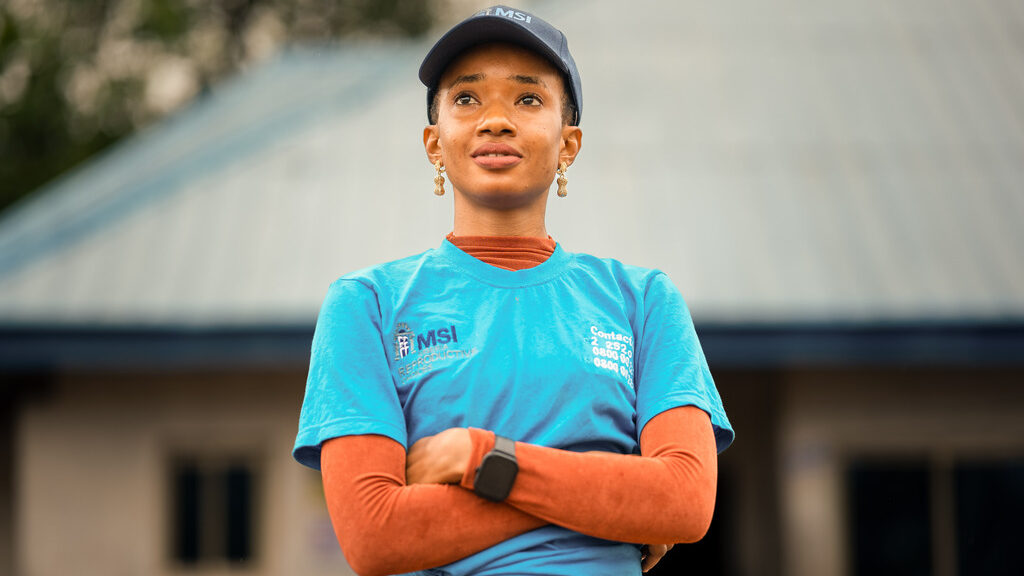
One year on: Impacts on reproductive rights since USAID cuts
Our frontline teams have seen the chaos and harm across communities worldwide.
-
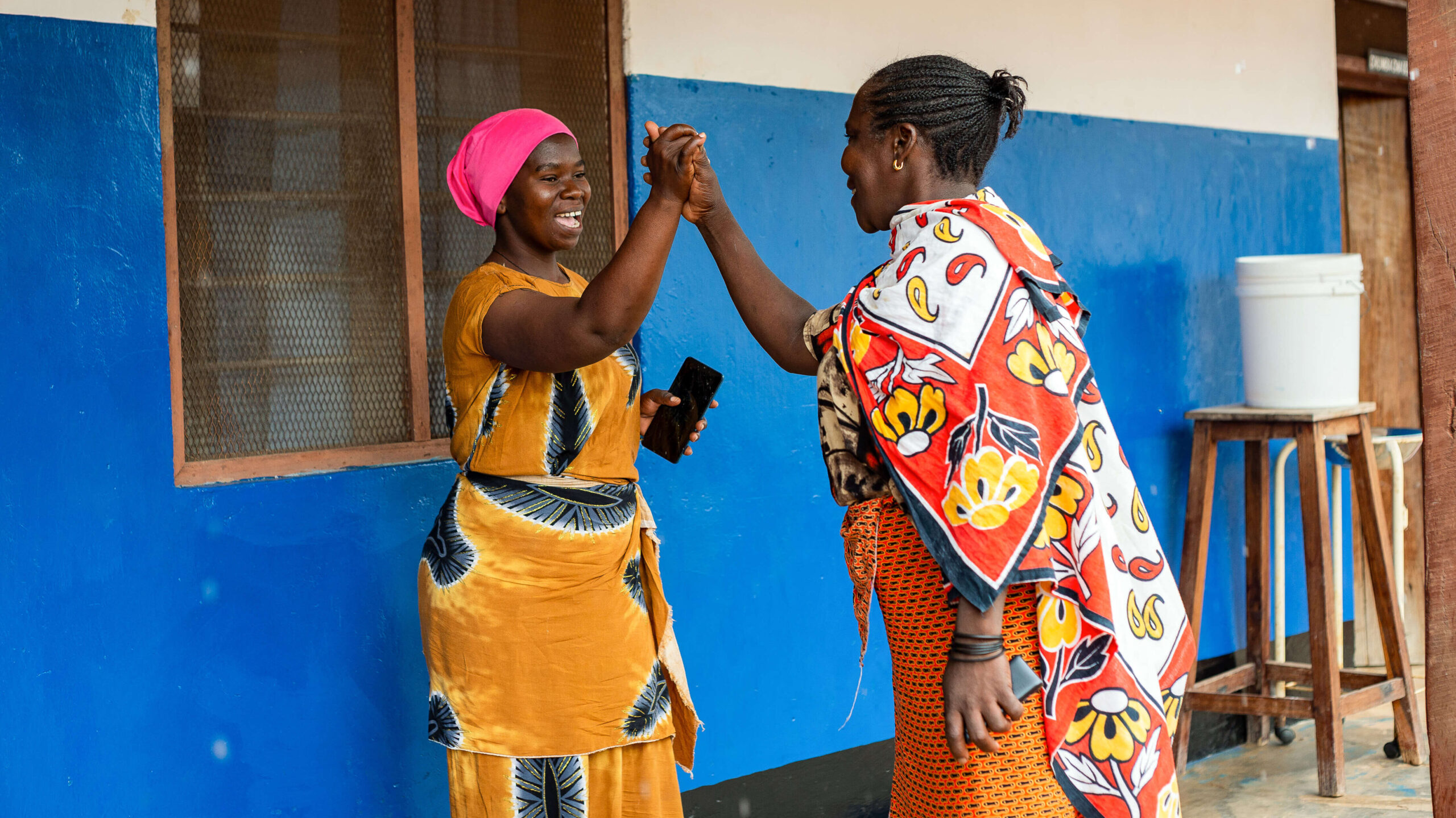
7 wins for reproductive rights in 2025
Read some positive news for abortion and reproductive rights in 2025, with examples from around the world.
-
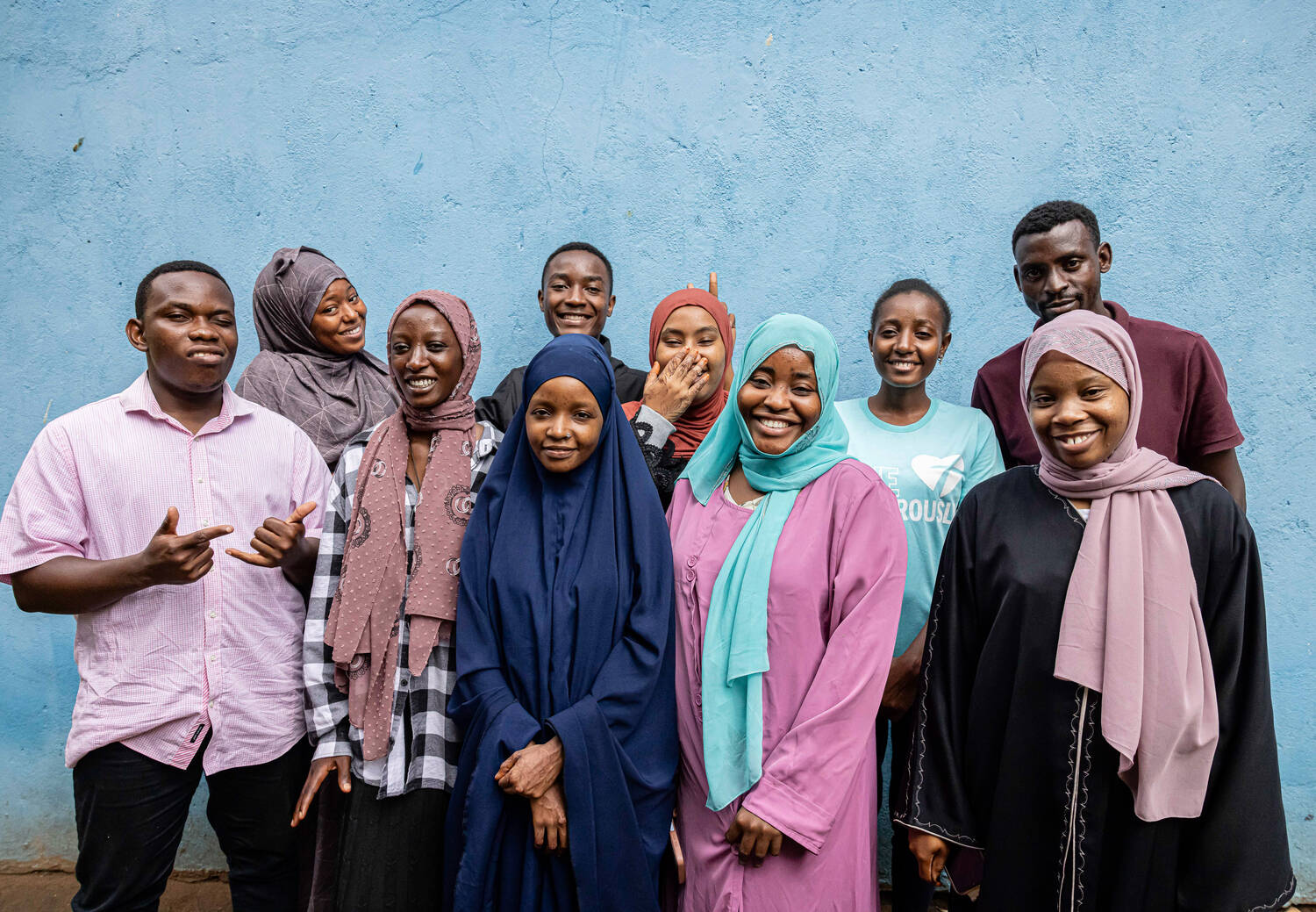
Kenya’s young people are shaping sexual and gender-based violence law
Young people have helped pass a new law supporting survivors of sexual and gender-based violence in their community.
-
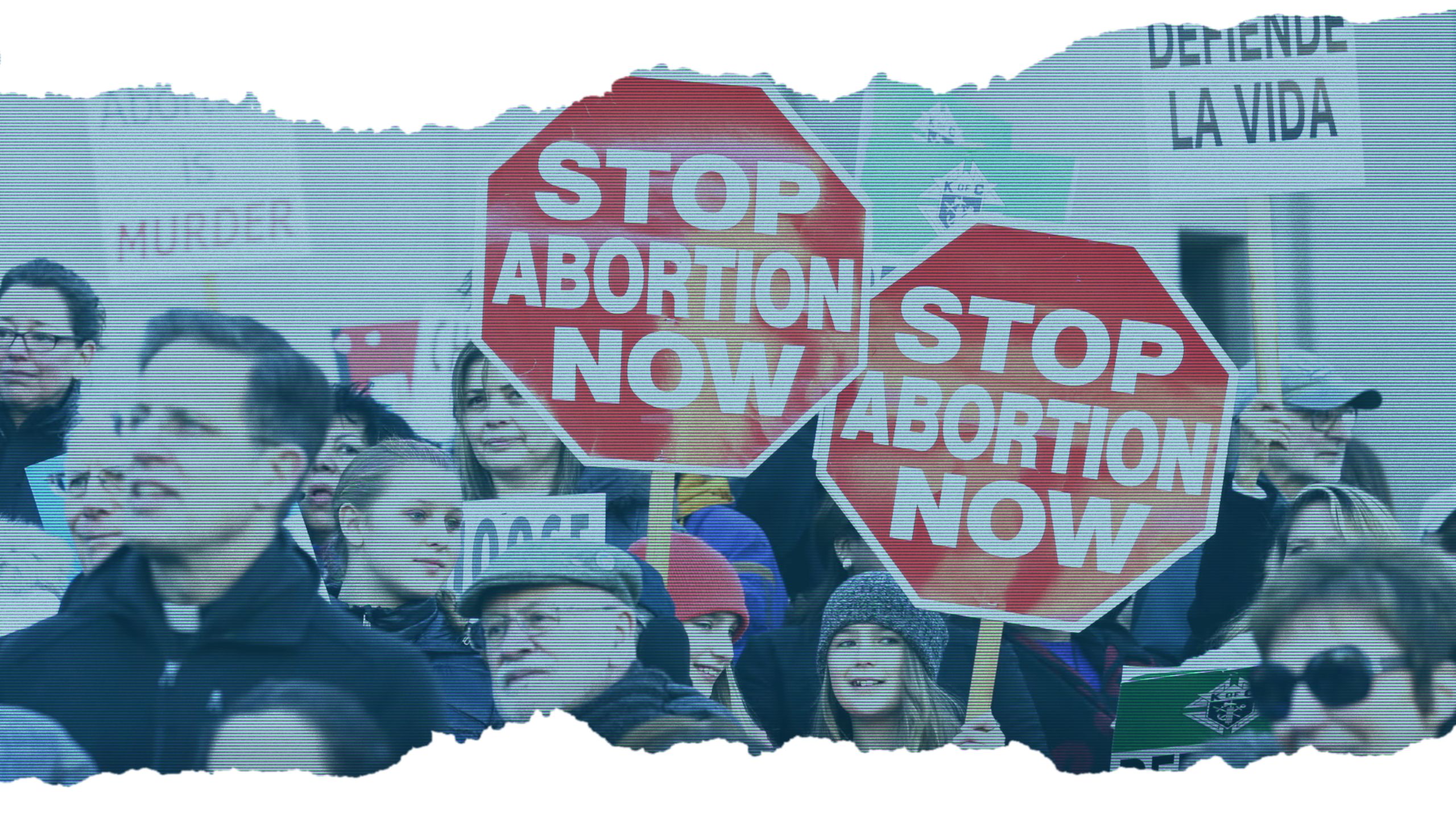
Explained: The global rise in anti-abortion protests and ‘40 Days for Life’
Learn about rising anti-abortion movements and protests, and anti-choice tactics. Learn about their impact on reproductive healthcare globally.
-
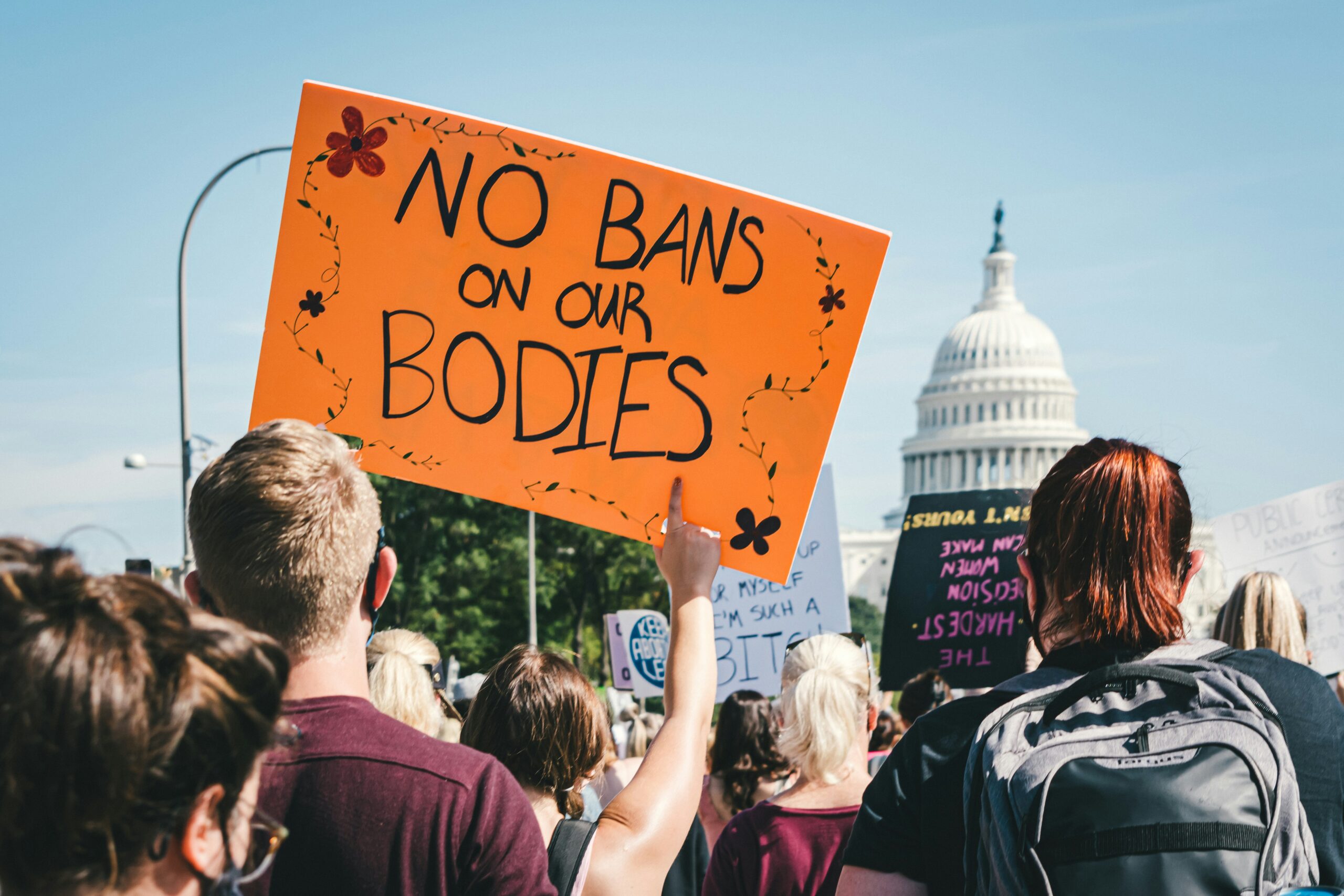
Project 2025: The Impact on Abortion, LGBTQ+ and Women’s Rights
What is Project 2025? Explore its potential impact on abortion rights, reproductive healthcare, women’s rights, and LGBTQ protections.
-
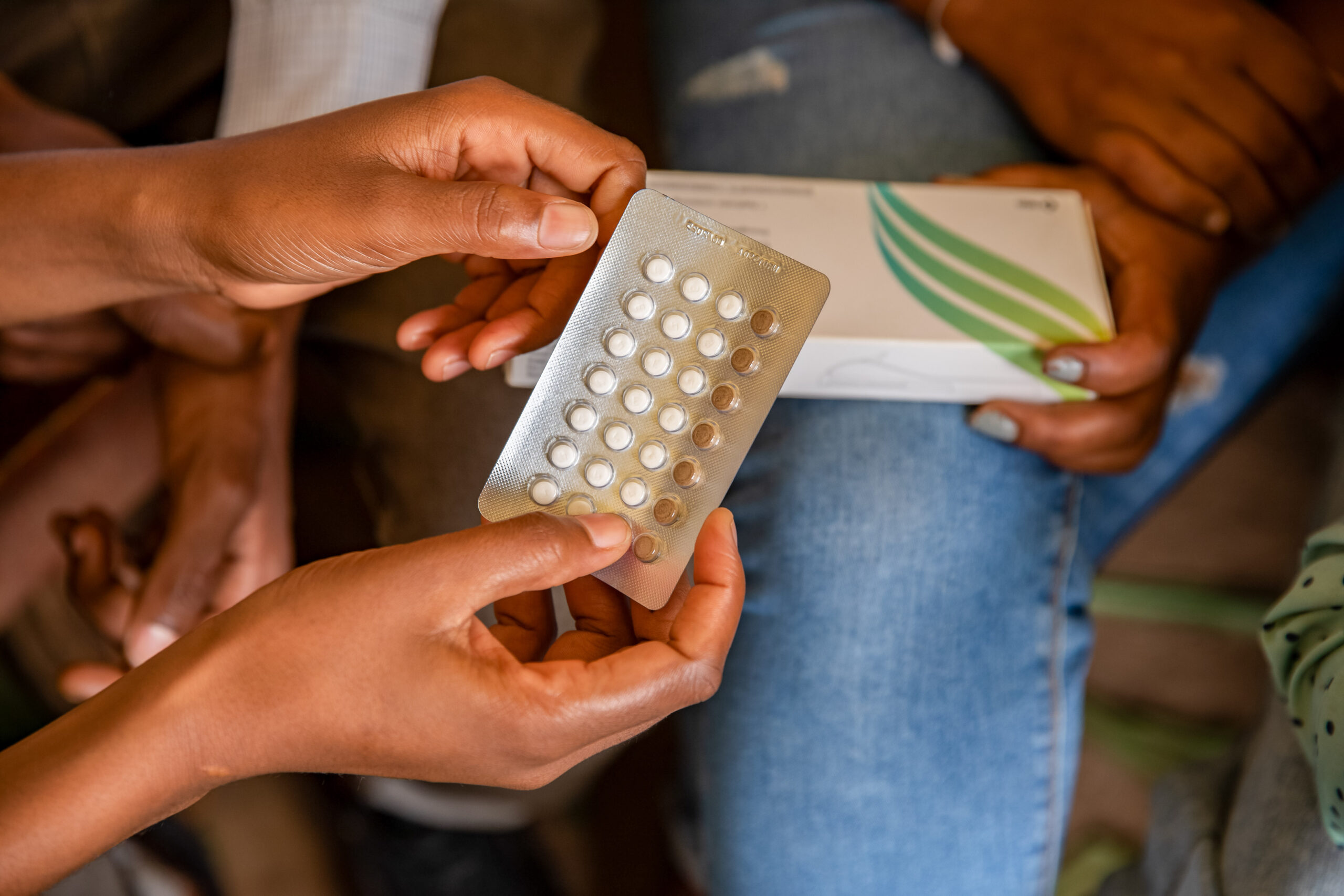
Contraception is not an ‘abortifacient’: Calling out disinformation from the US government
The US government is claiming that certain types of contraception are ‘abortifacient’. This is incorrect and a deliberate political move by the Trump administration to undermine the right to access contraception. We’re debunking this disinformation.
-
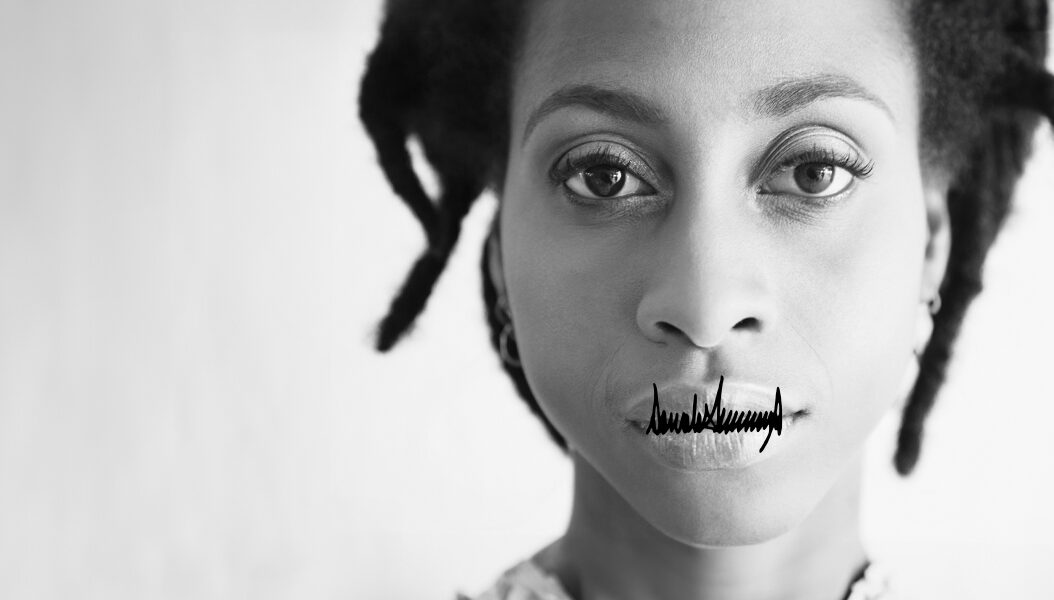
MSI statement on the planned expansion of the global gag rule
“Such a move would be an insidious encroachment on sovereignty, pressuring governments to change their own laws and policies in exchange for U.S. funding.”
-
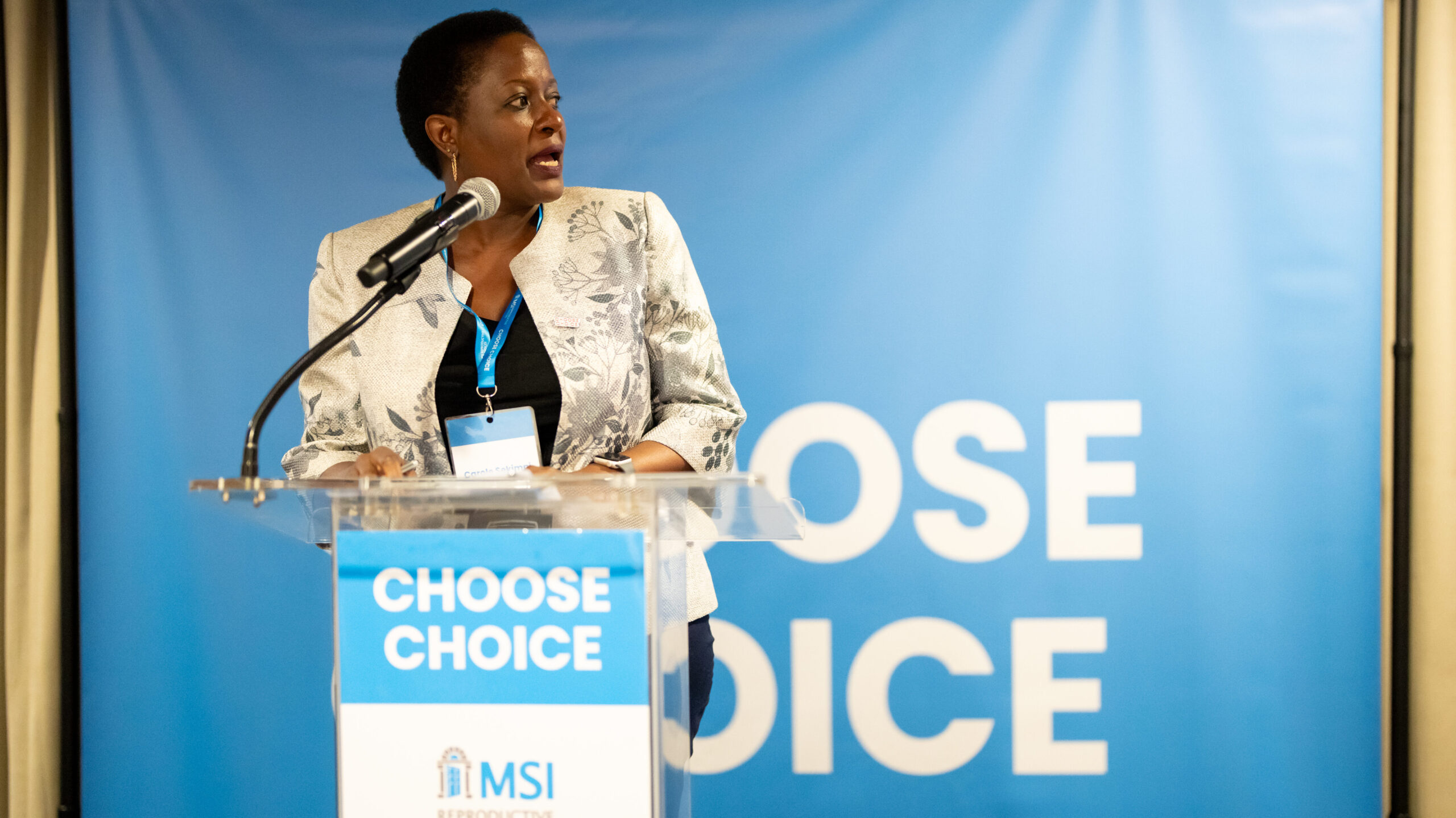
Why we’re amplifying reproductive rights on the global stage at UNGA 2025
Discover how MSI Reproductive Choices is strengthening its UN advocacy at UNGA 2025 to protect global reproductive rights and expand access to care.
-
MSI statement on the $9.7 million of USAID contraceptive supplies
“If this contraception is destroyed, it would be an outrageous act of cruelty.”
-
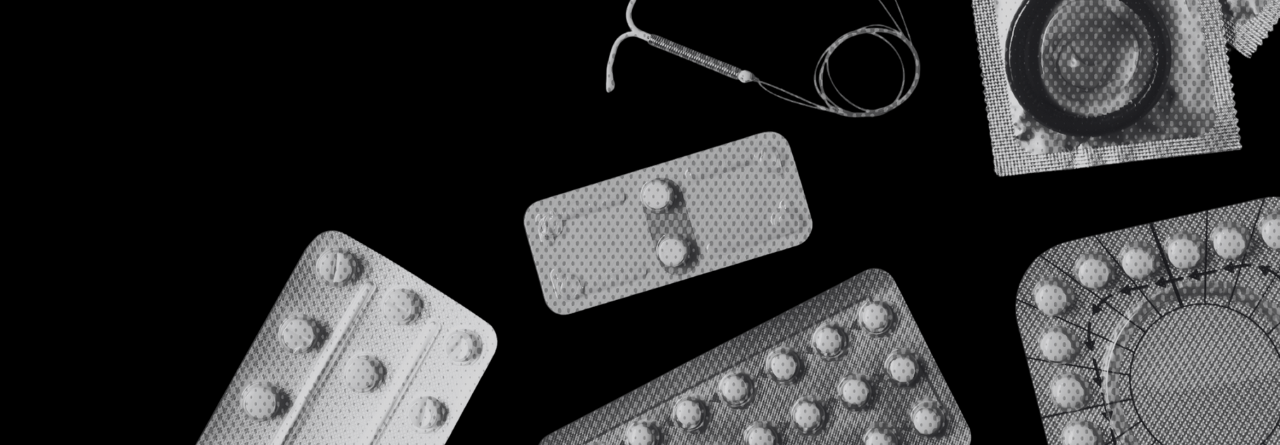
Why is $9.7M worth of contraception being destroyed by the US government?
The US is destroying $9.7m of taxpayer-funded contraceptives – learn why and how to help.