

The UN Women 2026 Gender Snapshot recently revealed that the world is drastically behind on achieving gender equality (Sustainable Development Goal 5). The goal was to achieve gender equality targets by 2030; at the current rate of progress it will take 171 years.
There are many sobering statistics in the UN snapshot. And it’s no surprise to us. MSI teams see the reality of these statistics every day in the lives of women and girls worldwide. Gender inequality ripples into many facets of life, affecting an individual’s needs, choices and access to health information and services.
Access to sexual and reproductive health is a necessity if we’re to achieve true gender equality. This is what underpins MSI’s commitment for gender equality: recognising the power dynamics that affect real choice, while working to transform harmful gender norms. We are learning a lot.
Here are recent examples of MSI approaches helping to overcome the world’s most urgent gender inequities.
UN Gender Snapshot 2026: ”Nearly 1 in 3 women globally have experienced partner or sexual violence in their lifetime. In the past 12 months alone, 316 million women experienced physical or sexual violence by an intimate partner.”
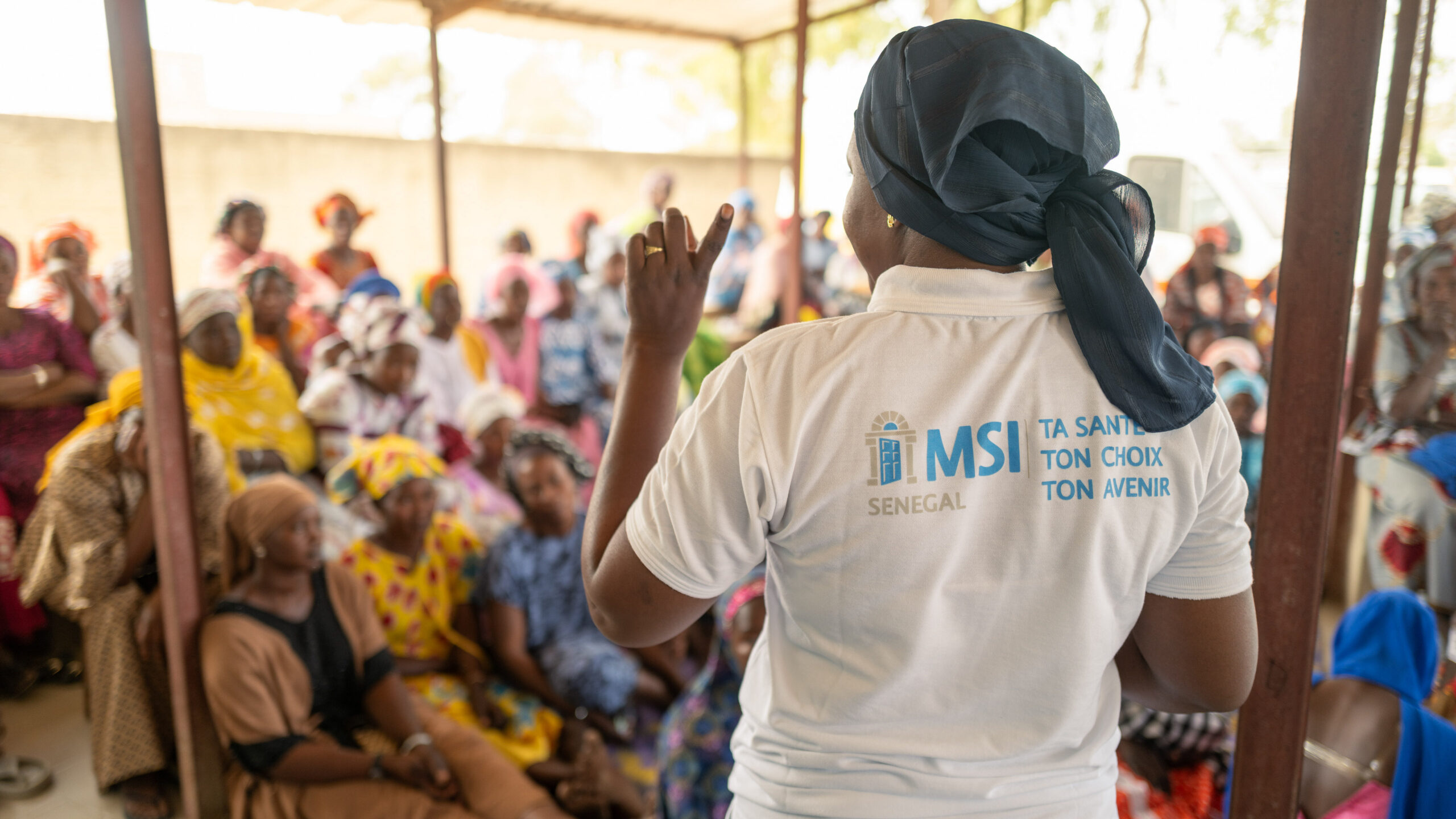
MSI’s frontline teams see survivors of sexual and gender-based violence in all 36 countries where we work. In Niger, this is especially prevalent among young girls who move to the capital to find domestic work, where they are vulnerable to abuse. An MSI pilot approach in Niger, funded by the Children’s Investment Fund Foundation, worked with 10 marraines (trusted older women in the community) to address this and connect survivors with the right support. Through educational talks organised by marraines and MSI Ladies, we improved awareness of women’s rights and gender-based violence survivor support, and assisted 156 survivors in the area in just nine months.
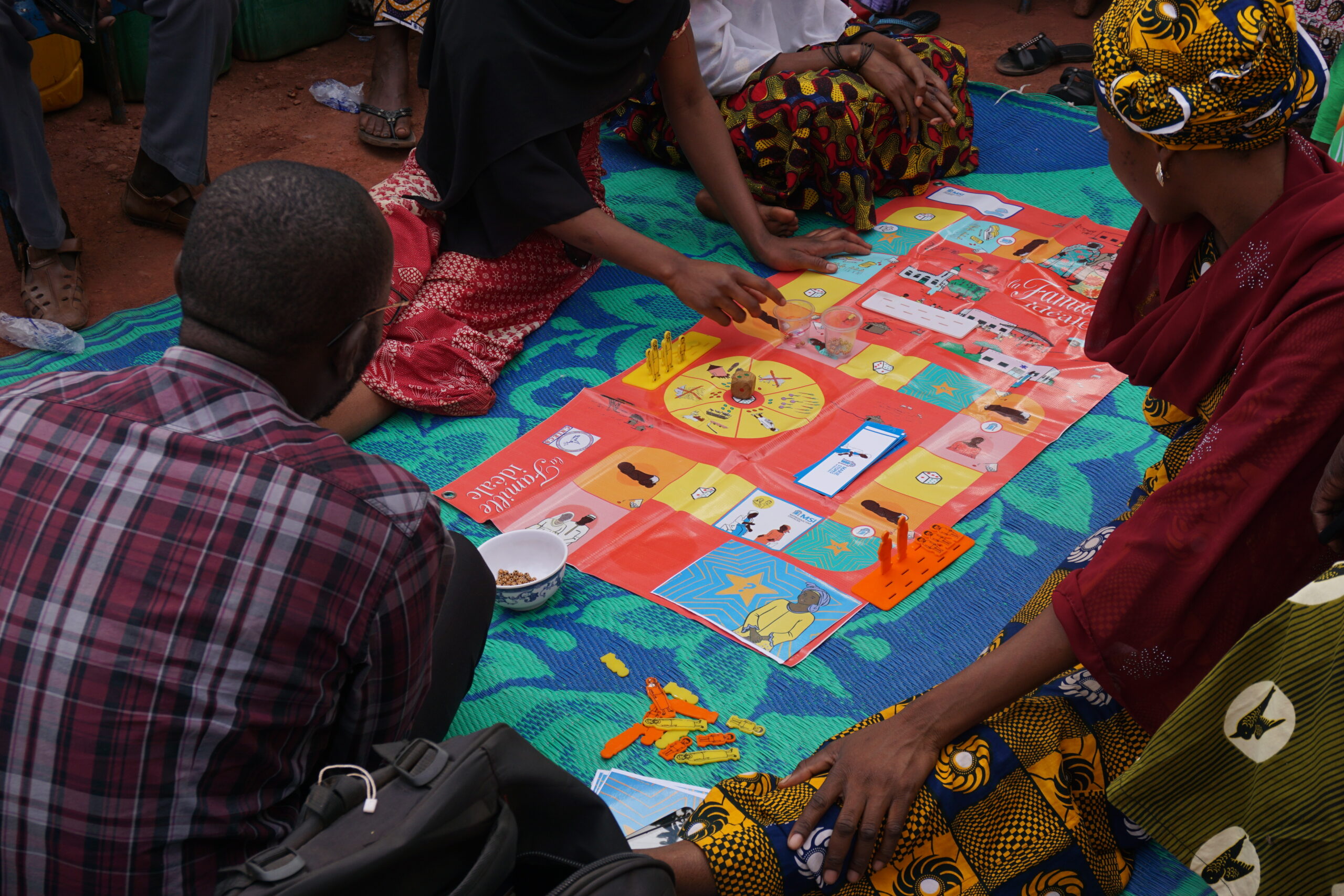
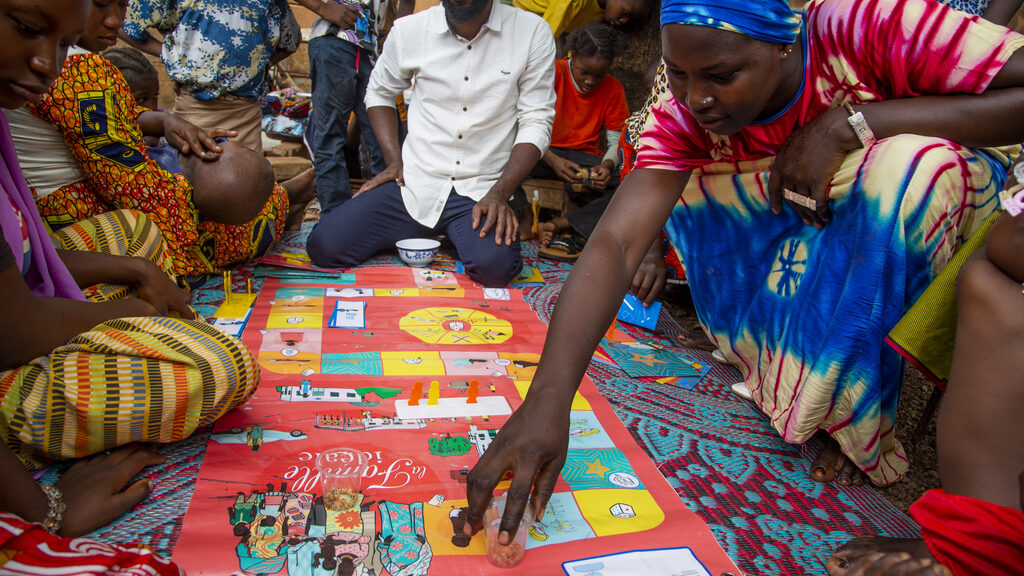
Meanwhile in Mali, a board game designed to challenge gender norms showed promise in tackling gender inequality and gender-based violence. The game was used by local female champions to start discussions exploring what gender-based violence is and where people can get help. As one participant put it, “The game helps people wake up to women’s rights.”
UN Gender Snapshot 2026: “Only 56.3% of women aged 15-49 who are married or in a union have full decision-making power over their sexual and reproductive health and rights. The lowest level of autonomy was in sub-Saharan Africa at 36.8%.”
MSI’s work around the world centres women’s choices and autonomy. Over 50 years, we’ve supported the choices of more than 300 million people, and our reach is rising each year.
Despite these gains, in many countries men continue to dominate contraceptive decision-making, preventing women from making the choices they want. Our teams have dedicated programmes to engage men, boys and other key influencers like religious leaders to support women and girls to access reproductive healthcare on their own terms.
One recent approach we piloted in Ghana, funded by the Children’s Investment Fund Foundation, explored how pleasure-based messaging can improve male engagement on sexual and reproductive health and promote more equitable decision-making in couples. The Better Together project created safe spaces for men and women to discuss sex, communication and contraception. Among its 1,126 participants, we saw an increase in joint decision-making, particularly around family planning. Participants also reported feeling safer and more comfortable during sex, and more of them disagreed that men’s pleasure matters more than women’s.
UN Gender Snapshot 2026: “With only four years remaining until 2030, expanding women’s voices, representation and influence (…) is essential.”
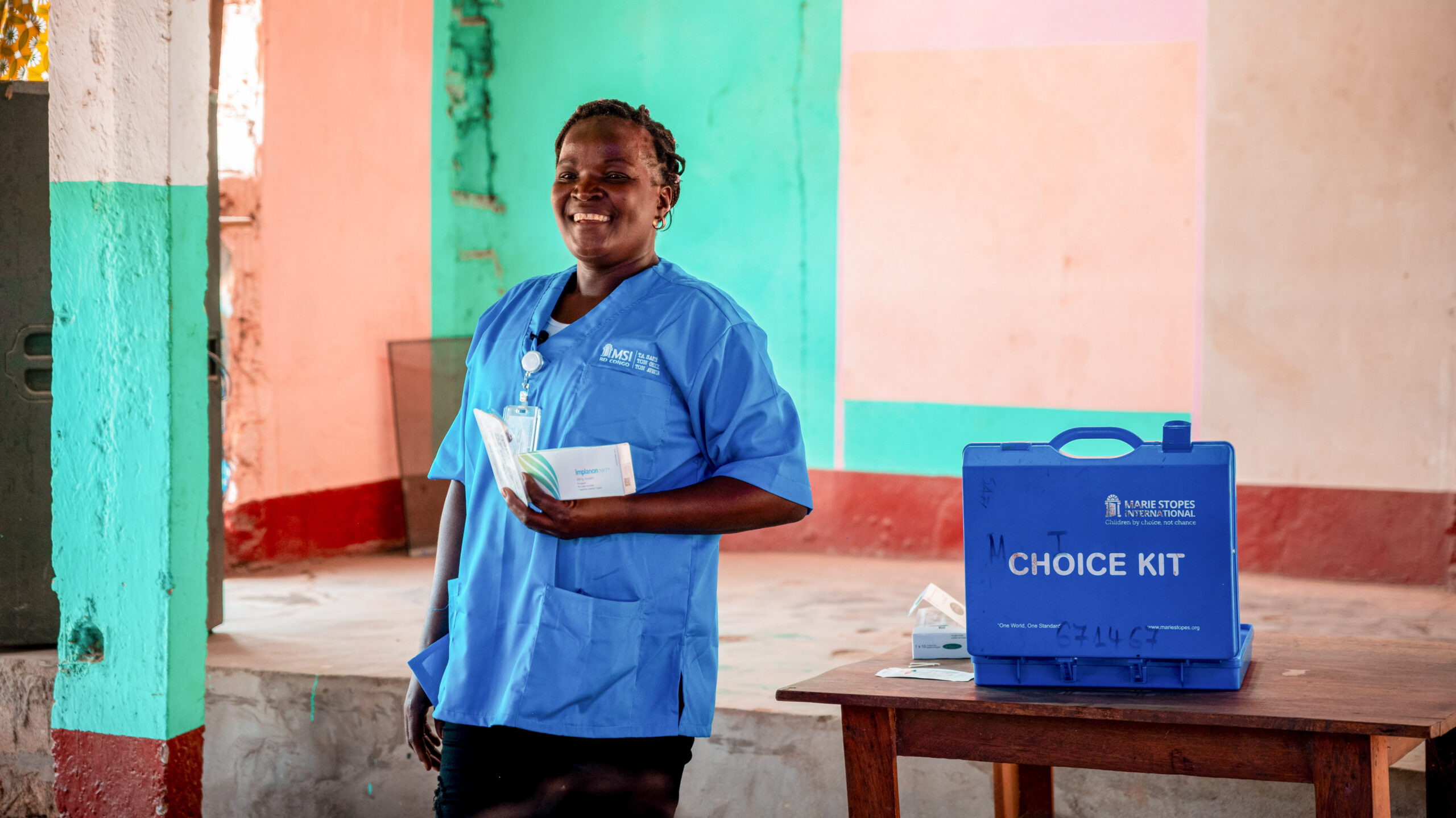
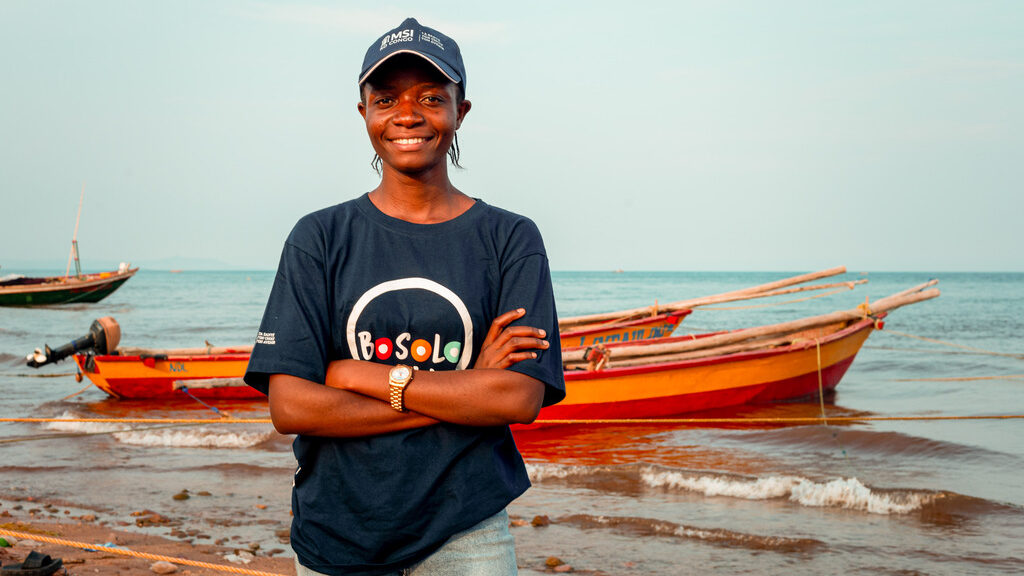
It’s clear that women leaders and male allies are both at the heart of meaningful change. We continue to see powerful community champions like the MSI Big Sisters in the DRC (funded by the United Kingdom Foreign, Commonwealth and Development Office WISH2 West and Central Africa Programme and the Children’s Investment Fund Foundation). And in Mali, a pilot approach involving women’s rights role models strengthened both the practice and acceptance of women’s leadership. We saw a 20% rise in women champions discussing community issues with local authorities. Plus, the number of people who believed their community viewed men as better leaders than women fell sharply, from 76% to 24%.
The UN Snapshot has been a stark reminder of the progress that’s still needed. It has also highlighted that funding for women’s rights organisations is falling – decreasing by 28% in just the last year.
With greater investment, MSI and other women’s rights organisations can take these important approaches and the lessons we’re learning much further. These pilots and interventions aren’t just studies – they are actively helping women and girls access support, power and agency to make their own decisions. They are changing lives.
We will continue to work every day to create lasting, grassroots-led change, addressing drivers of gender inequality and breaking down barriers – so reproductive choice is no longer a fight but a reality for everyone. And we’re eternally grateful to the funders and partners pursuing this future with us.