

This year, 34 million women will make the agonising decision to have an unsafe abortion.
It’s a preventable public health crisis taking many lives. We can and must put an end to unsafe abortion.
What is an unsafe abortion?
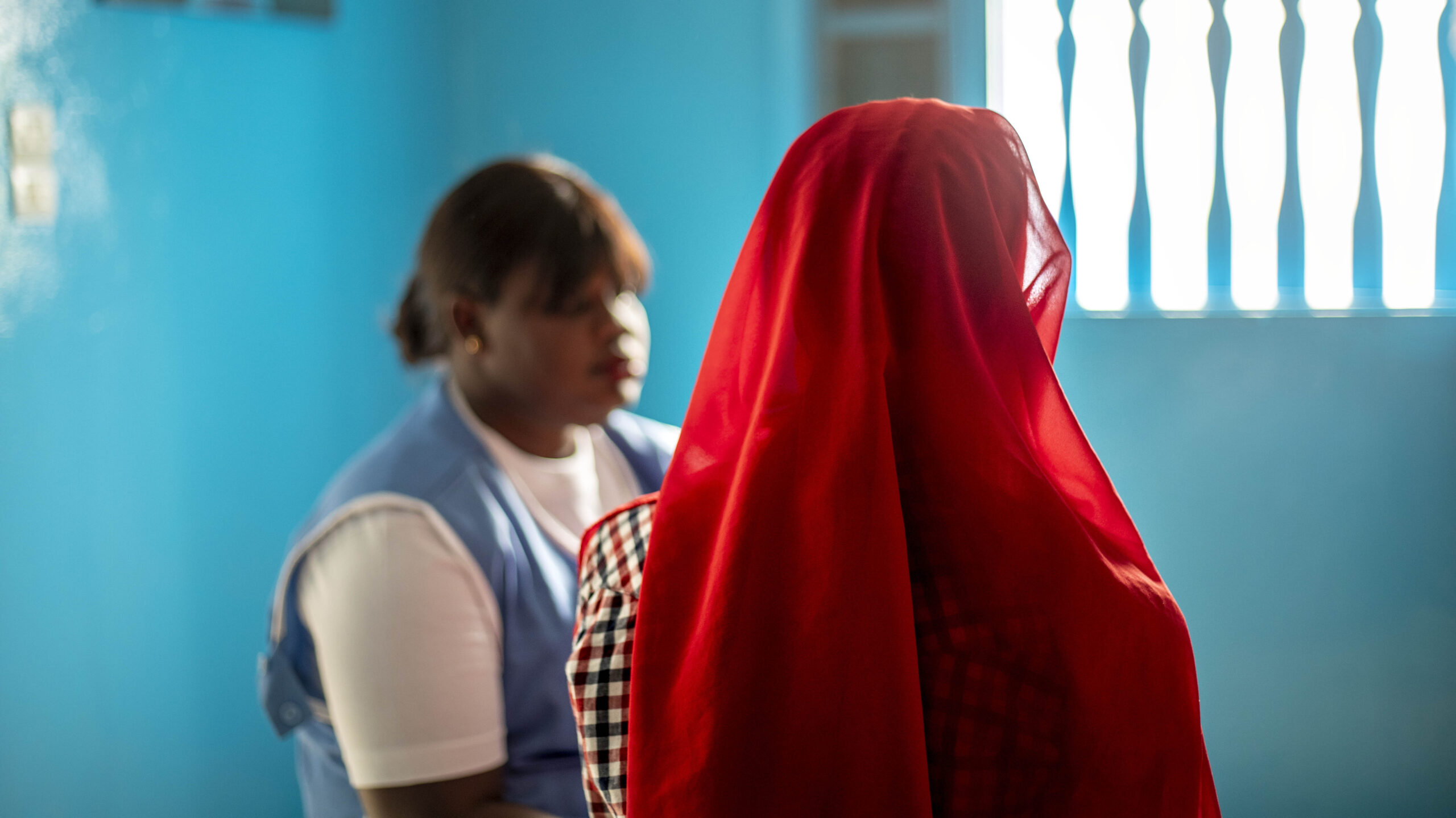
When women face unintended pregnancy and don’t have access to safe abortion care, some are forced to resort to an unsafe abortion method, putting their health and lives at risk.
The World Health Organization (WHO)’s definition of unsafe abortion is:
“An abortion is unsafe when it is carried out either by a person lacking the necessary skills or in an environment that does not conform to minimal medical standards, or both.”
The least safe conditions are when an abortion is carried out by untrained people using dangerous or invasive methods. A leading cause of maternal deaths, unsafe abortion can be devastating to women, their families and communities.
Why do people have unsafe abortions?
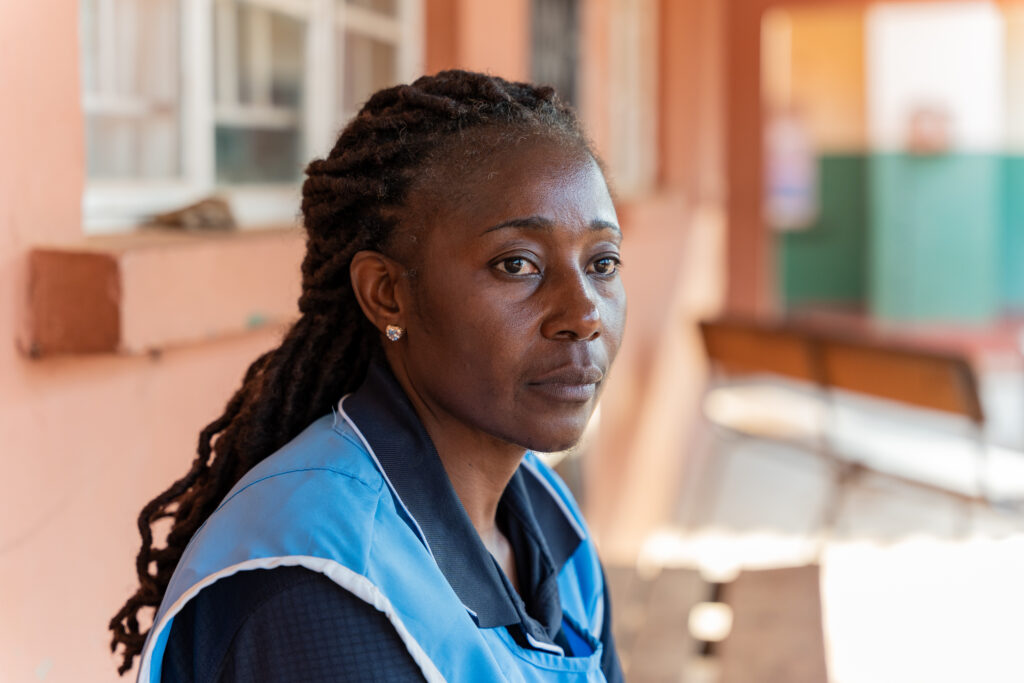
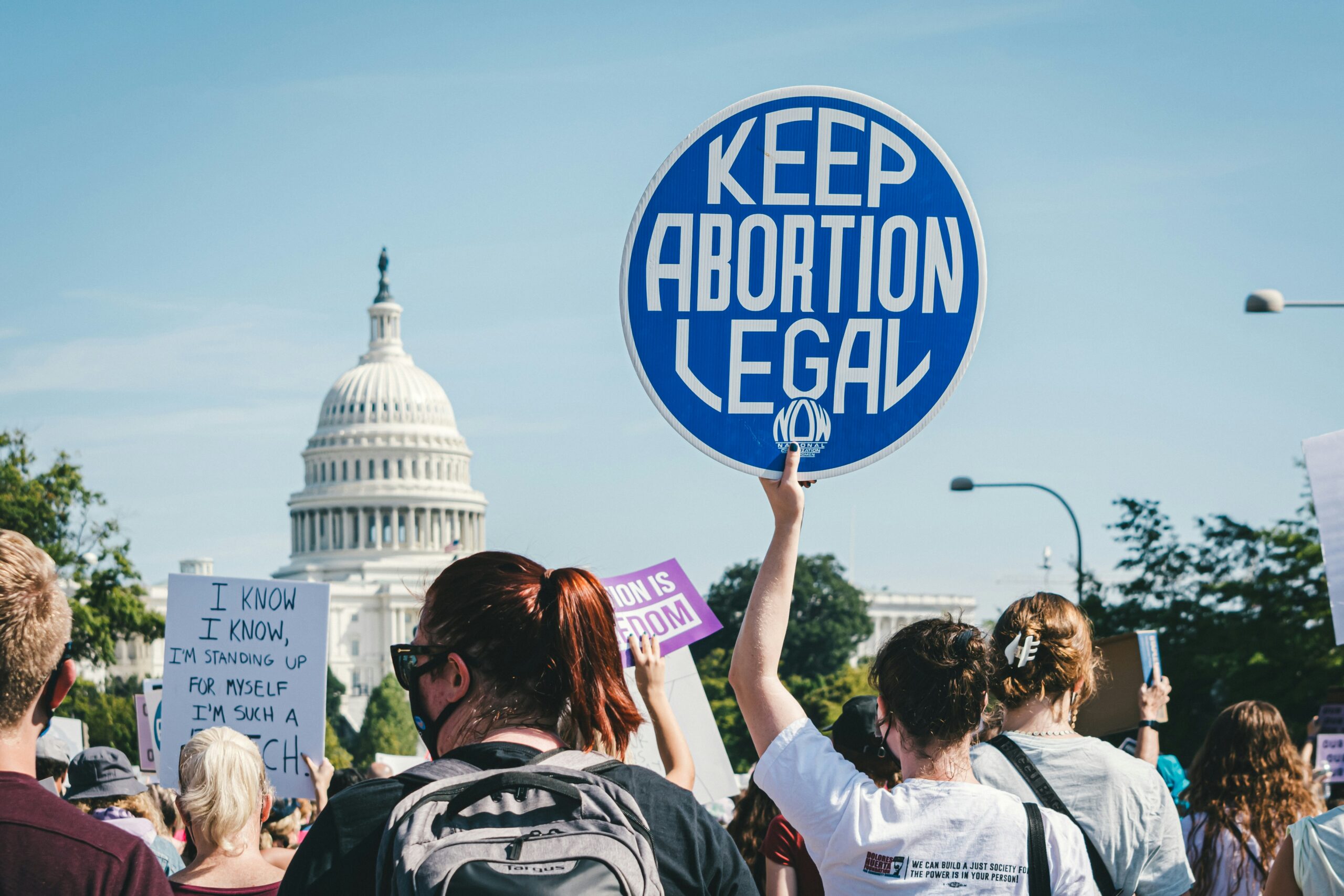
No one should have to risk their life or health to choose their own future path and have control over their body. Abortion care is one of the most safe and common forms of healthcare worldwide. But to this day, abortion continues to be stigmatised and legally restricted in many countries, preventing many from accessing safe abortion care.
Women and girls who want to end their pregnancy may face:
- local laws that restrict abortion access
- a lack of understanding or clarity about what the law allows
- poor access to health services (i.e. not enough providers, clinics are too far away, high cost makes it unaffordable)
- abortion discrimination and social stigma, making people feel that they can’t ask for help, shrouding abortion in shame
- needless requirements like mandatory waiting periods or medically unnecessary tests that delay access to care
- a humanitarian crisis or conflict situation that hinders access to healthcare
These barriers to accessing safe abortion don’t stop women wanting or needing an abortion. Evidence shows that bans and restrictions don’t prevent abortion, they just make them less safe – forcing women to turn to dangerous methods, leading to injuries and sometimes death.
Today, 93,000 women will risk their lives with an unsafe abortion – so that they can have control over their own future.
What are the consequences of unsafe abortion?
The consequences of unsafe abortion include death, life-threatening injury, long-term disability, and lasting psychological harm. This disproportionately affects the world’s most marginalised women.
There are immediate and long-term health risks of having an unsafe abortion – the toll on women is devastating.
Women face severe complications and long-term effects of unsafe abortion including:
- Heavy bleeding
- Damage to internal organs
- Lifelong injury
- Severe disability
- Loss of future fertility
- Death
In fact, unsafe abortion remains one of the leading causes of maternal deaths around the world, despite being almost entirely preventable.
And it’s not just physical danger at risk. Barriers to safe abortion access and the stigma associated with abortion are detrimental to a woman’s mental wellbeing throughout her lifetime, as she battles with the notion that choices about her reproductive health are not her own.
There are also economic consequences, with medical costs forcing women into making a financial sacrifice (e.g. using their life savings), or simply making abortion inaccessible to those with fewer resources. When abortion is restricted and stigma is rife, it’s often marginalised and poor communities that are most affected. They are less likely to be able to access private healthcare or travel to other places where abortion care is safe and legal.
Why we want to end unsafe abortion
Deciding your own future should not come at such a physical, mental, and financial cost. It doesn’t have to be this way – if we remove the unnecessary barriers, we could live in a world where no abortion is unsafe. That is what MSI is working towards.
Unsafe abortion facts
Here are some quick numbers to answer questions like ‘how many unsafe abortions happen each year?’
34 Mil
(almost half of all) abortions every year are unsafe
97%
of unsafe abortions occur in low and middle-income countries
247,000
women die from pregnancy, abortion and childbirth each year
8-11%
of global maternal deaths are due to unsafe abortions
40%
of women live in countries where abortion is restricted or inaccessible
Catherine’s unsafe abortion story
“I’m lucky to have survived. I share my experience because I wouldn’t want girls to go through what I went through.”
Some girls, like Catherine, live to tell their unsafe abortion story. Many others do not.
MSI is working towards a goal of no unsafe abortions by 2030. Abortion is a safe and simple medical procedure to end a pregnancy, and no one should be forced to put themselves in danger to have one.
How Ethiopia tackled unsafe abortion
How did Ethiopia go from having hospital wards filled with women suffering complications from unsafe abortion to drastically reducing maternal deaths?
“The methods women used to terminate an unwanted pregnancy were desperate. Ranging from traditional remedies including tree roots and herbs, women would also insert harmful objects like catheters and metallic tools inside of them to try and end their pregnancy. In an average week, around two or three women died. It was normal to see half of the delivery and gynaecology rooms filled with women who needed immediate medical assistance.” – MSI Ethiopia’s Country Director, Abebe Shibru (pictured)
Ethiopia has made huge strides in the prevention of unsafe abortion and recent studies show that maternal deaths from unsafe abortion have dropped sharply to just 1%.
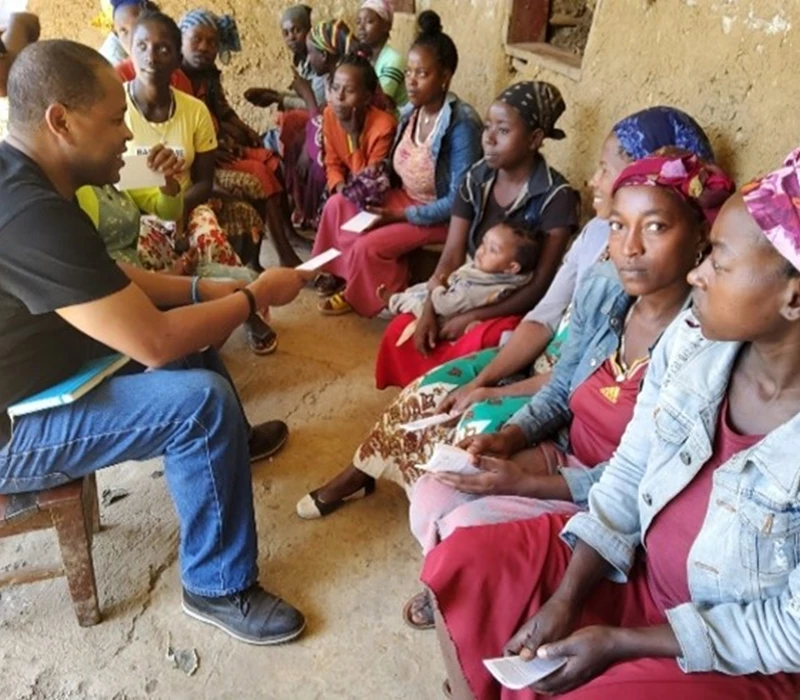
Our work to provide safe abortion services and prevent unsafe abortion
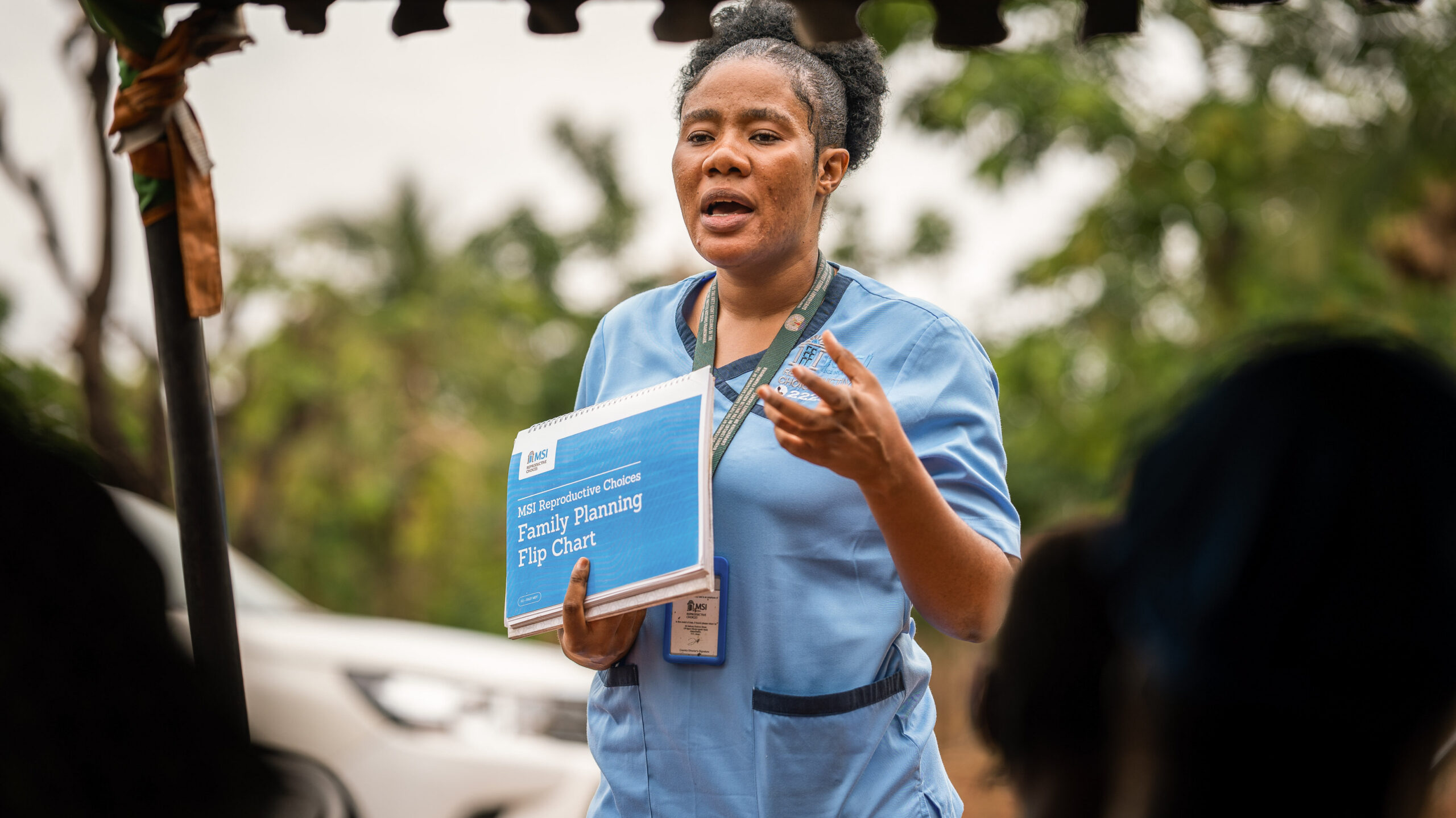
As one of the world’s leading providers of sexual and reproductive healthcare, we are unapologetic in our defence of the right to abortion, and we’re proud to provide safe abortion services wherever the law permits. We also provide post-abortion care to save lives following an unsafe or incomplete abortion.
According to the World Health Organization, nearly every single unsafe abortion (and the maternal deaths that follow) could be prevented – with access to comprehensive sex education, contraception, and safe and legal abortion.
We must remove local laws that restrict access, ensure there are enough safe abortion clinics and providers available, and make sure services are included in national health coverage schemes, so that cost isn’t a barrier.
That’s why MSI advocates globally for access to abortion, as well as providing abortion services. Partnering across sectors and working closely with local communities and governments, we’re working to make abortion safe, legal and affordable.
We stand shoulder to shoulder with women and girls worldwide in the global drive to liberalise abortion laws, end unsafe abortion and prevent maternal deaths – so that everyone has the right to choose their own future.
With your help we can go further. Consider making a gift to fund safe abortion access globally.
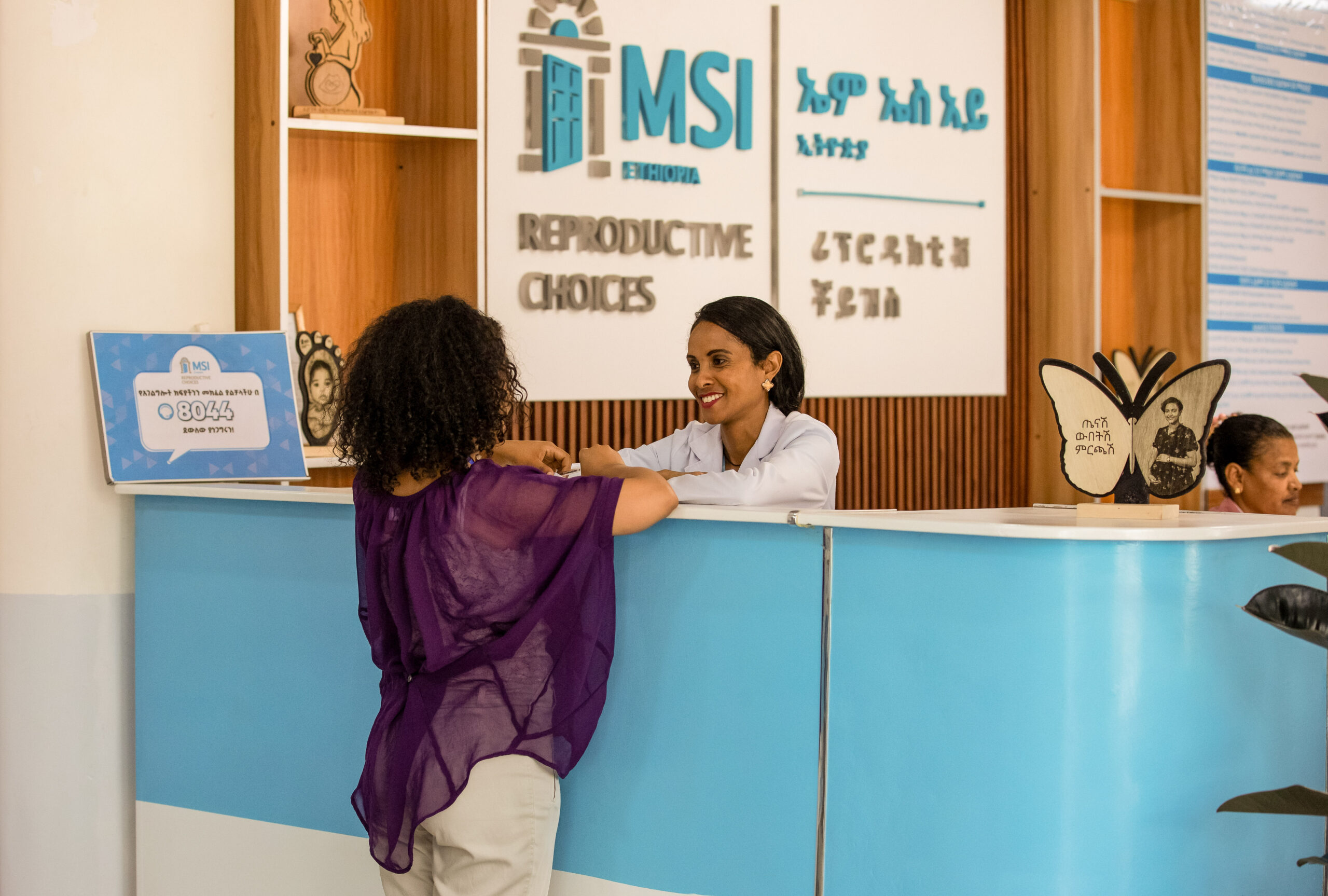
Abortion Anthology
Read real stories from people who have had, provided or supported abortions.
What is the difference between safe and unsafe abortion?
An unsafe abortion
An unsafe abortion is carried out by someone who doesn’t have the skills to provide this service safely, or takes place in an environment that doesn’t meet medical standards. When women resort to unsafe abortion, they can experience serious medical lifelong complications or die from an unsafe abortion. It remains a leading cause of maternal deaths worldwide. This is one of the many disadvantages of banning or restricting abortion access.
A safe abortion
A safe abortion service is a common medical procedure that is provided or overseen by an experienced healthcare provider like a nurse or doctor. People can also have safe abortions at home with prescribed abortion pills depending on where they live and their personal health factors.
Looking for safe abortion services?
If you ever need to speak openly, with full comfort and confidentiality about your experiences and choices, we are here to help. If you’re looking for safe abortion services, we may be able to assist you depending on where you live and your situation. Find your local service or contact your local contact centre where someone will be able to advise on the reproductive healthcare available to you.
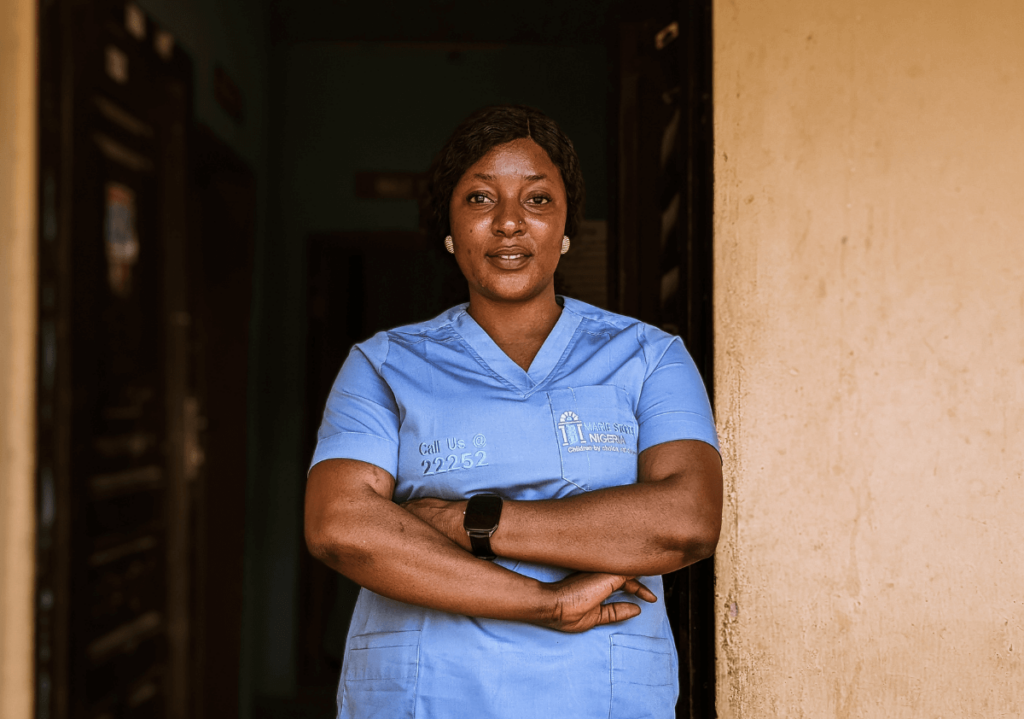
How you can help end unsafe abortion
Learn more about abortion
When we’re in the know about our reproductive health and rights, we can help change the narrative and fight for everyone’s right to access safe services. To remain up-to-date on the latest news and campaigns on reproductive rights, follow us on social media and sign up to our newsletter.
Join the conversation online
Smashing stigma starts with people normalising abortion. Go online to share a personal story, retweet a statistic showing the realities of unsafe abortion, or share a resource like this page. If you’re unsure how to talk about abortion in a destigmatising way, our abortion language guide is here to help.
Fund abortion
Until all countries across the globe actively protect and promote safe and legal abortion access (we’re working on it), abortion providers need donations to keep their doors open. You can donate today, or set up a monthly donation, to help everyone determine their own futures. Help make reproductive choice possible worldwide.